Strait of Hormuz Emerges as Epicentre of Renewed US-Iran Conflict
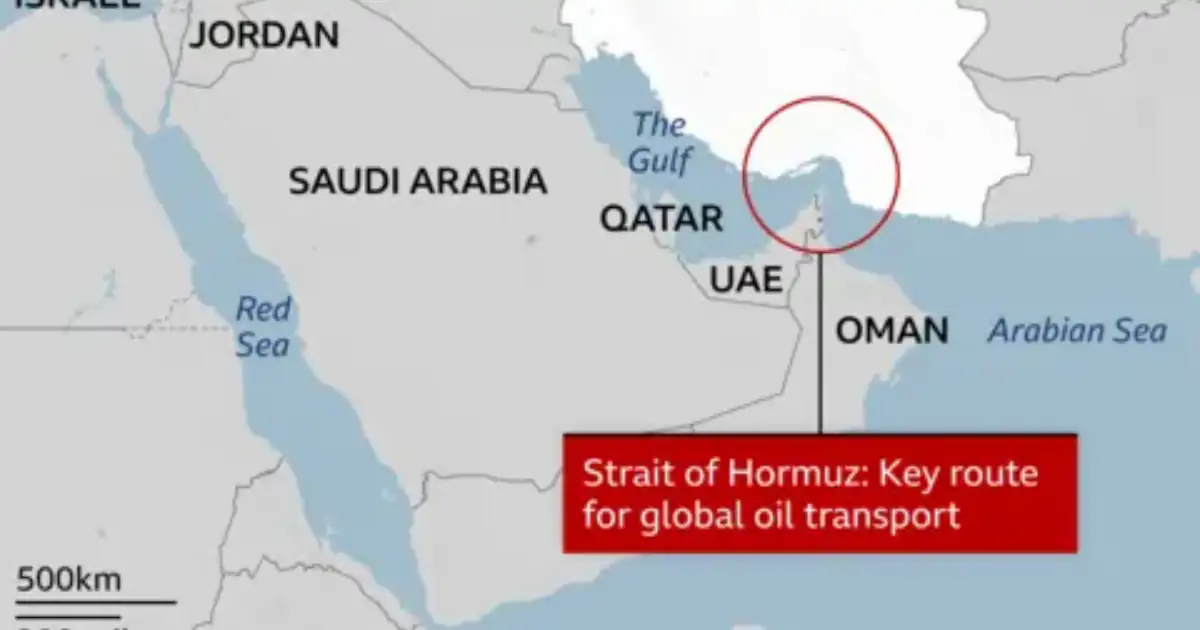
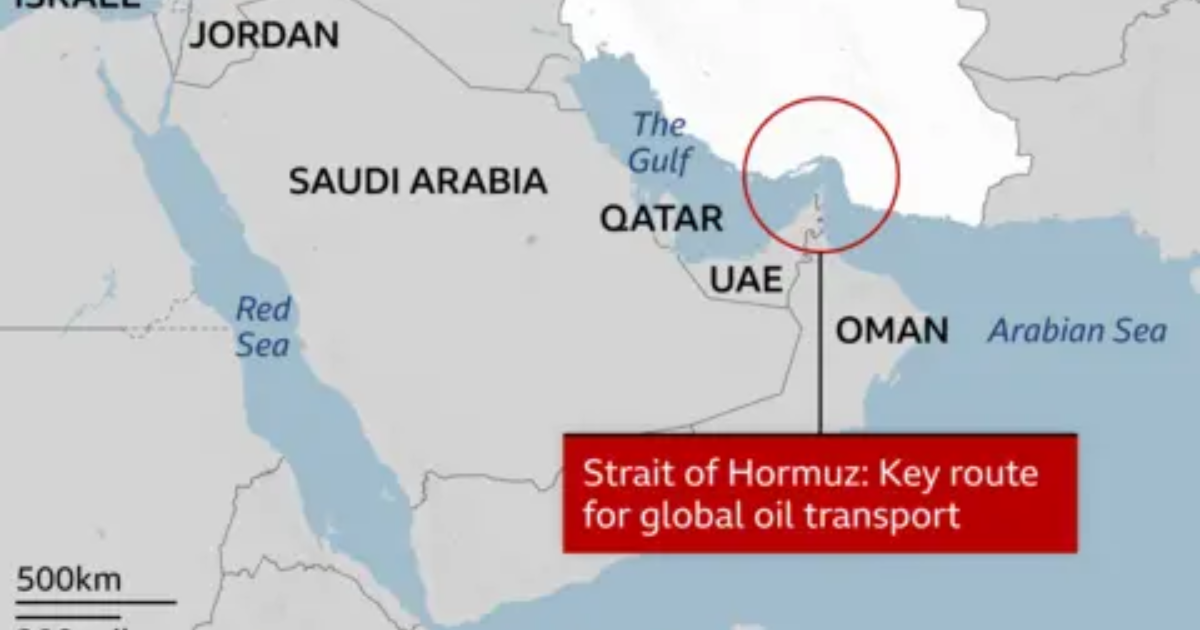
Recently, fighting between the United States and Iran resumed after a fragile ceasefire, with the second phase of the conflict centred on control of the Strait of Hormuz, one of the world's most strategically important maritime chokepoints.
US–Iran Conflict Resumes: The Battle for the Strait of Hormuz
Background: An Uneasy Truce
The ceasefire between the United States and Iran, agreed on June 14, 2026, was meant to end months of hostilities that began after the assassination of Iran's Supreme Leader in February. It was formalised through a Memorandum of Understanding signed in Islamabad on June 17, under which Iran committed to allowing free passage through the Strait of Hormuz for sixty days and agreed to work with Oman on defining the strait's future administration. Yet the peace proved fragile almost from the outset, as neither side had genuinely settled the deeper question of who would control the waterway once the guns fell silent.
Iran's Institutional Assertion of Control
Barely two days after the MoU was signed, Iran's newly created Persian Gulf Strait Authority began circulating terms that positioned it as the nodal transit authority for the strait, requiring vessels to obtain passage permits and PGSA-approved insurance. Though fees were waived for the moment, their explicit reservation for later signalled Tehran's intent to formalise its administrative stake in Hormuz.
Iran's Supreme Leader, Mojtaba Khamenei, later declared that repeated American violations had proven the US president's signature "utterly worthless and devoid of credibility," a statement that captured the depth of mistrust undergirding the entire arrangement.
Complicating matters further, while sanctions relief followed talks in Switzerland on June 21–22, the PGSA itself remained under sanctions, leaving international shipping firms wary of engaging with the very body Iran wanted them to deal with.
The Omani Route and the Breakdown at Doha
Tensions deepened when the International Maritime Organization, working with Oman, announced a temporary southern transit corridor as an alternative to Iran's preferred northern route. Tehran denounced this as unilateral and dangerous, insisting that any passage outside its own designated channel lacked authorisation. When talks moved to Doha, Iran and Oman proposed a voluntary toll modelled on the Malacca-Singapore Straits precedent, but the US rejected any formal fee mechanism, pushing instead for a full return to the pre-war status quo. Notably, Singapore's own port authority has clarified that straits used for international navigation, including Malacca and Singapore, traditionally carry no such transit tolls, undercutting Iran's precedent. The talks collapsed over Washington's refusal to accept any formal management structure for Hormuz.
Resumption of Hostilities
Fighting resumed in mid-July after Iran struck vessels using the Omani corridor, including the Qatari-owned LNG carrier Al Rekayyat, which was hit near Oman's coast, forcing its crew to fight an engine-room fire. President Trump subsequently declared the ceasefire over. In the days that followed, Iran extended its pressure campaign to alternative export routes, targeting ship-to-ship transfer operations near the UAE's Fujairah pipeline and encouraging Houthi attacks on Saudi Arabia's East-West pipeline through the Red Sea, effectively squeezing every viable bypass around Hormuz.
Why Tehran Refuses to Yield
Two intertwined motives explain Iran's intransigence despite the economic relief the MoU promised a sanctions-battered economy. The first is a deep distrust of American commitments, reinforced by Khamenei's public repudiation of Trump's assurances. The second is the strategic imperative to retain leverage over Hormuz, the single asset that gives Iran real bargaining power against a militarily superior adversary. Tehran has continued pressing for a formal transit fee regime, with an Iranian environmental agency official reportedly invoking UNCLOS provisions to seek "environmental services" charges from passing vessels.
Military Lessons Emerging from the Conflict
Analysts tracking the fighting note that Iran has adapted its tactics over successive rounds, shifting toward high-speed manoeuvrable missiles and cluster munitions to offset the accuracy problems seen in its earlier exchanges. For Washington, the renewed conflict has revived a familiar lesson from Afghanistan and Iraq: overwhelming but poorly targeted firepower tends to multiply adversaries rather than resolve the underlying dispute.
Stakes for India
India's exposure runs along both human and economic lines. Fourteen Indian nationals, largely seafarers and Gulf-based workers, have died since the war began, with two still missing, prompting New Delhi to formally protest the losses to both Tehran and Washington. On the economic side, the conflict's upward pressure on energy prices is already feeding inflation and rattling markets at home, given India's heavy reliance on energy imports transiting the strait. India has consistently urged both parties toward dialogue, warning that a prolonged standoff risks a broader global economic slowdown that would fall hardest on the Global South.
Significance and the Way Forward
The Hormuz standoff illustrates how control over critical maritime chokepoints has become a substitute for territorial conquest in modern great-power confrontations, with insurers and shipping firms now pricing permanent risk into Gulf transit. A durable resolution will likely require an internationally credible, neutral administrative mechanism for the strait, one that neither treats Iran's security concerns as illegitimate nor accepts a toll regime that could be replicated at other global chokepoints. For India, the episode strengthens the case for accelerating energy diversification, deepening strategic reserves, and expanding diplomatic engagement with Gulf littoral states to protect both its citizens and its energy security.
Conclusion
The renewed US–Iran conflict has crystallised around a single strategic asset, the Strait of Hormuz, rather than any wider territorial contest, revealing how chokepoint control has itself become the primary currency of coercion in this confrontation. With both Washington and Tehran unwilling to cede ground on the strait's governance, and diplomatic channels repeatedly collapsing under the weight of mutual distrust, the crisis leaves India acutely exposed, both through the safety of its Gulf-based citizens and through the inflationary pressures of a destabilised energy corridor. Until a credible, mutually acceptable framework for administering Hormuz emerges, the region risks cycling between fragile ceasefires and renewed escalation.