Weak Monsoon and El Niño Raise Concerns Over India's Agricultural Imports
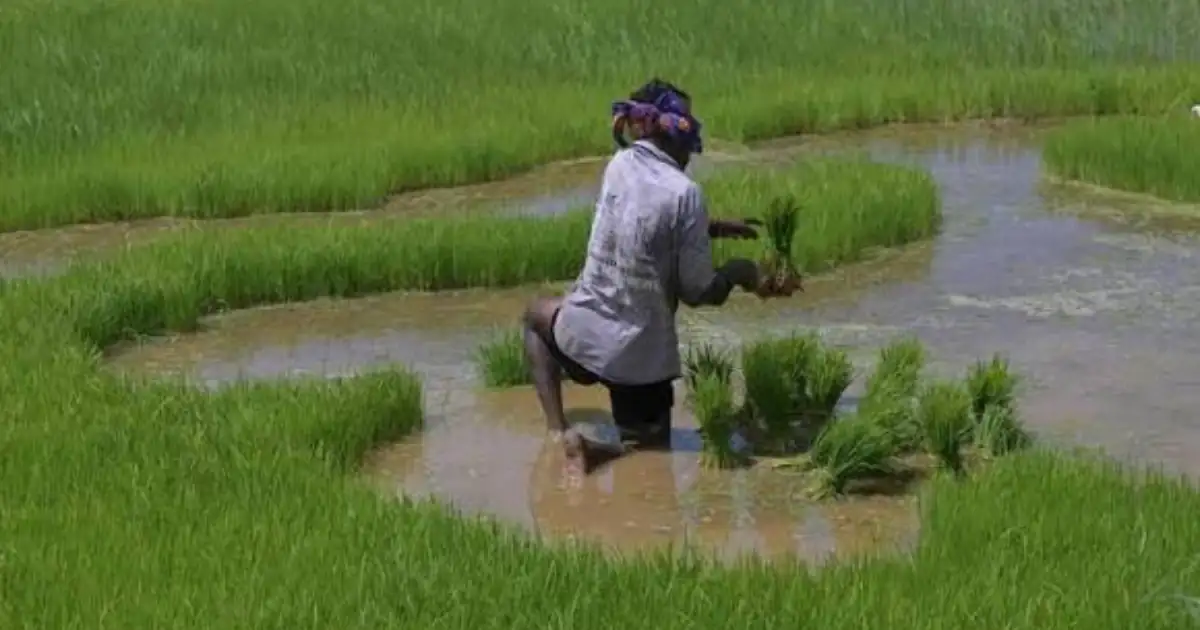
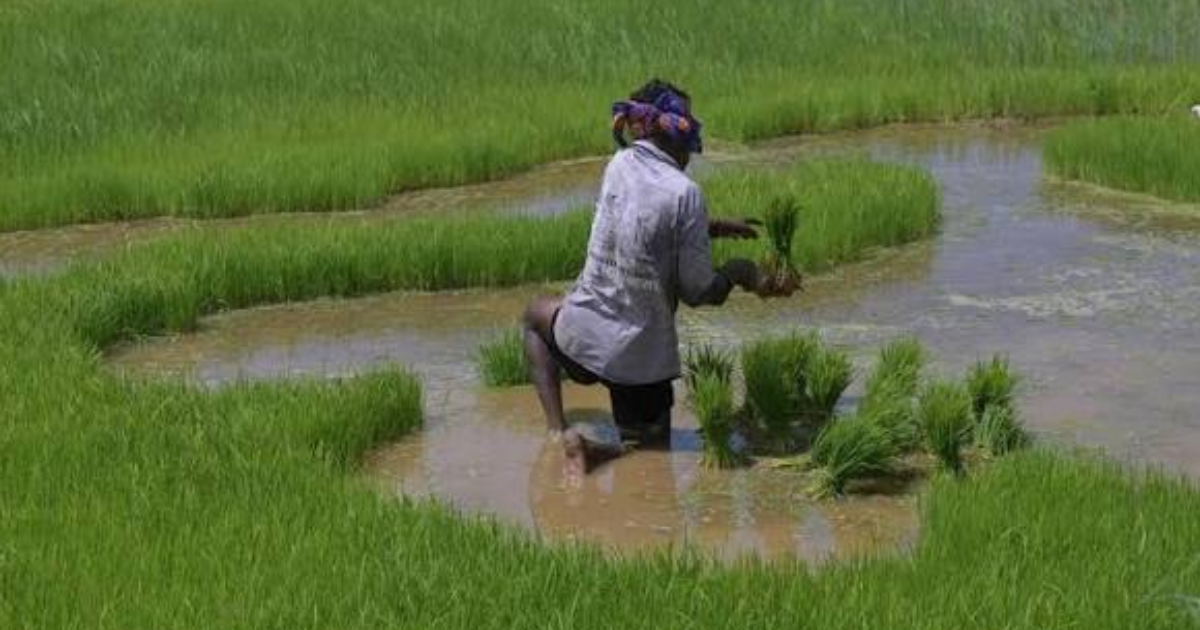
India is experiencing below-normal Southwest Monsoon rainfall and delayed kharif sowing, while forecasts indicate a strengthening El Niño during the second half of the year. These developments have raised concerns over lower domestic production of pulses, oilseeds and cotton, increasing the likelihood of record agricultural imports during 2025–26.
Weak Monsoon and Strengthening El Nino Threaten India's Kharif Output
Background: Rainfall Falls Sharply Below Normal
India's agriculture, which draws nearly 70% of its annual rainfall from the Southwest Monsoon, is facing a troubling 2025-26 season. According to the India Meteorological Department, June rainfall came in 38% below the Long Period Average, and cumulative rainfall through July 19 remained 23.8% below normal for the season as a whole. This deficit has coincided with forecasts of a strengthening El Nino, the periodic warming of sea surface temperatures across the central and eastern Pacific that has historically been associated with deficient Indian monsoons and drought-like conditions.
Kharif Sowing Takes a Hit
The rainfall shortfall has already dented sowing progress. As of July 10, the total area under kharif crops stood 16% below the corresponding period last year, with rain-fed crops bearing the brunt of the decline. Pulse acreage fell by 23.3% overall, driven by steep drops in arhar (30.3%), urad (29.7%), and moth bean (28.1%). Oilseed sowing declined by 21%, with groundnut down 34% and sesame down a striking 46%. Cotton acreage slipped 15.3%, largely on account of delayed rains across major growing belts. Experts note that sowing windows for arhar and cotton remain open for now, but continued rainfall deficiency could still erode final acreage and yields.
The El Nino Overhang
While the immediate concern is the kharif shortfall, meteorologists point to a bigger risk building through the rest of the year.
The US National Oceanic and Atmospheric Administration has projected an 81% probability of El Nino strengthening into a very strong event during October-December, with a 97% probability that it persists through March-April.
Unlike a single weak monsoon, a prolonged, intensifying El Nino carries consequences beyond the kharif season, potentially bringing higher winter temperatures, reduced soil moisture, shorter and warmer winters, and weaker reservoir replenishment. This could spill over into the rabi season, affecting wheat, mustard, gram, masoor, and potato, meaning both of India's major cropping cycles could come under pressure in the same agricultural year.
Record Imports Already Underway
Even before the full effect of a strengthening El Nino plays out, India has recorded a sharp rise in agricultural imports through 2025-26. Vegetable oil imports touched a record 16.9 million tonnes valued at roughly $19.5 billion, raw cotton imports rose to 1.1 million tonnes worth close to $1.9 billion, and pulse imports approached 6 million tonnes, the highest level since 2016-17, valued at around $3.6 billion. Should domestic output weaken further because of poor rainfall and El Nino, these figures could climb higher still. The rise reflects a mix of factors: declining domestic production due to erratic weather, rising consumer and industrial demand, softer global commodity prices following bumper harvests abroad, and India's structural dependence on imports for 55-60% of its edible oil consumption.
Buffers That Could Soften the Blow
Several cushioning factors reduce the risk of an immediate food security crisis. The Food Corporation of India held 68.3 million tonnes of rice and 53.4 million tonnes of wheat as of June 1, both comfortably above prescribed buffer norms, while government agencies additionally hold over 4 million tonnes of pulses, including roughly 2 million tonnes of chana and 0.6-0.7 million tonnes of arhar, that can be released to check prices if needed. Global supply conditions are also more favourable than in past crisis years, with record post-Russia-Ukraine harvests having left international markets well-stocked in wheat, rice, maize, soybean, and palm oil. Fresh arhar shipments from Mozambique, Tanzania, Malawi, and Sudan, alongside masoor imports from Canada and Australia, are expected to further ease domestic shortages in the coming months.
Likely Policy Response
If the monsoon continues to underperform, the government is expected to lean on a familiar toolkit: cutting import duties on edible oils, pulses, and raw cotton; releasing buffer stocks of foodgrains and pulses into the market; extending duty-free import windows for select commodities; tightening the ethanol blending programme to limit the diversion of sugarcane juice and molasses, thereby freeing up sugar supply; and reinforcing procurement and distribution through the Public Distribution System. Together, these measures aim to contain food inflation while keeping essential commodities available to consumers.
Conclusion
The convergence of a weak Southwest Monsoon and a strengthening El Nino exposes the structural vulnerability that still lies at the heart of Indian agriculture, its heavy dependence on the timing and distribution of monsoon rainfall. While comfortable foodgrain and pulse buffer stocks, along with a well-supplied global market, offer India meaningful insulation against an immediate crisis, the twin threat to both kharif and potentially rabi output this year underscores the need for sustained investment in irrigation, climate-resilient seed varieties, and diversified cropping patterns. Without such structural adaptation, India's agricultural import bill is likely to remain a recurring pressure point on both food inflation and the trade balance in years when the monsoon falters.