Shabdalok: India Opens First Immersive Language Museum at National Library, Kolkata
India has inaugurated its first immersive language museum, Museum of Word (Shabdalok), at the National Library campus in Kolkata, West Bengal. Developed by the National Library under the Ministry of Culture, the museum celebrates India's extraordinary linguistic diversity by combining traditional heritage with modern digital technology.
Shabdalok: India's First Immersive Language Museum Opens in Kolkata
A New Kind of Cultural Institution
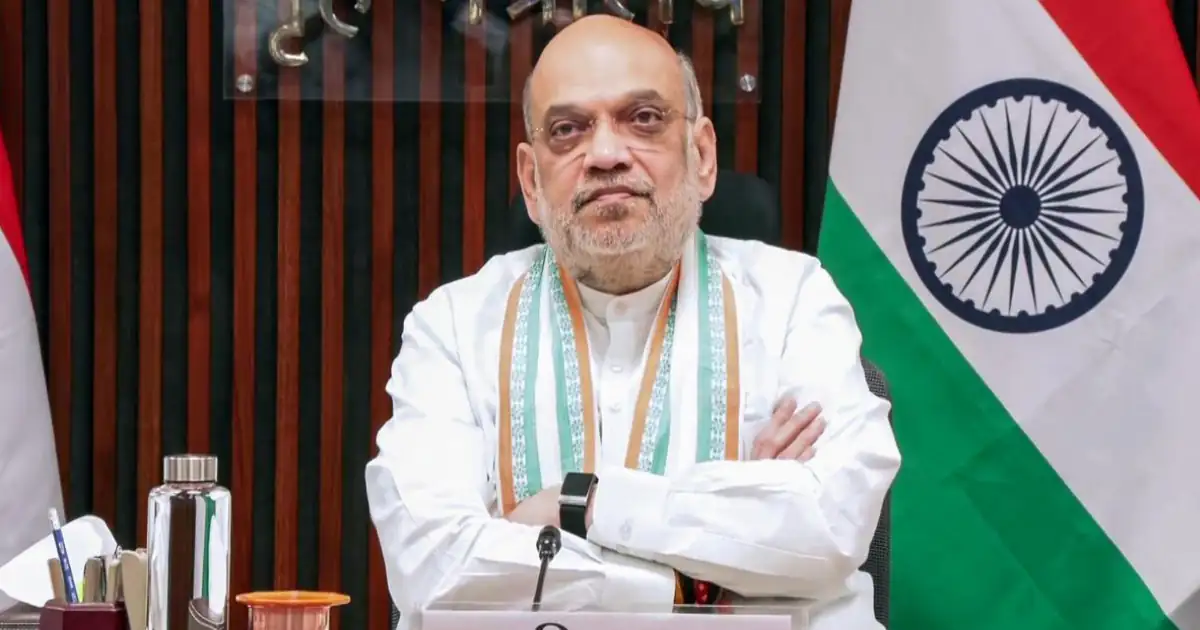
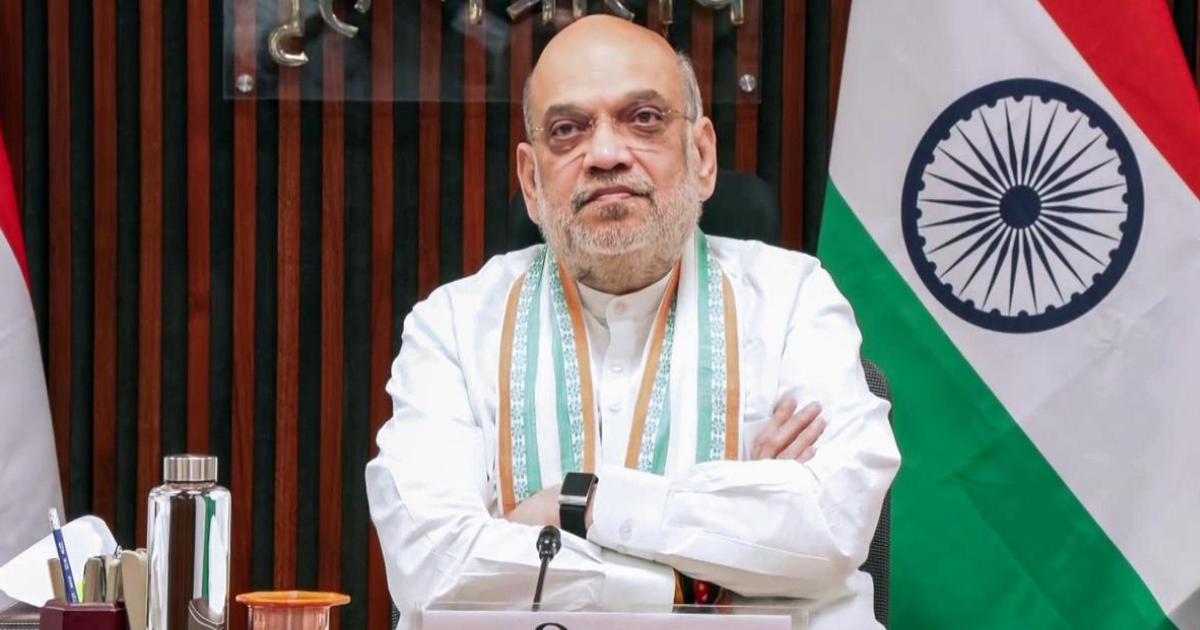
India's first immersive language museum, the Museum of Word or Shabdalok, was inaugurated on July 19 by Union Home Minister Amit Shah at the National Library campus in Kolkata, housed within the historic Belvedere House. The museum was developed by the National Library under the Union Ministry of Culture and was originally announced by Prime Minister Narendra Modi in 2020, meaning its opening marks the culmination of a project several years in the making. Union Minister for Culture and Tourism Gajendra Singh Shekhawat was present alongside senior officials, scholars, and cultural personalities at the inauguration.
Reimagining the Museum Experience
Rather than functioning as a conventional repository of texts and artefacts, Shabdalok has been conceived as an immersive cultural experience, employing digital displays, holograms, motion-sensor technology, and audio-visual installations to draw visitors into the story of India's languages. The museum's first phase, comprising nine galleries, chronicles the diversity of Indian languages, scripts, and literature, tracing the country's linguistic journey from oral traditions and ancient manuscripts through printed works to modern electronic text. Among its galleries is the Language Timeline, the largest in the collection, which allows visitors to trace how the pronunciation, meaning, and usage of words have shifted across centuries.
Celebrating Linguistic Diversity
The museum's central theme is the celebration of India's 22 official languages, presented not as isolated linguistic traditions but as interconnected threads in the country's civilisational fabric.
Addressing the gathering at the inauguration, Shah said, "Our language carries our heritage, and through languages you can understand a country's culture."
He went further to describe the museum's opening as "a momentous day for the nation's culture" and "a major step to revitalise the country's cultural heritage," while urging every young Indian to learn at least one additional Indian language beyond their mother tongue to better appreciate the country's cultural diversity. He also stressed that libraries and museums must actively engage young people rather than remain confined to physical spaces, and asserted that India's culture has no place for narrow-mindedness.
Significance for Cultural Preservation
Shabdalok's location within the National Library, one of India's oldest and most prestigious knowledge institutions, is itself significant, as it bridges the preservation of India's manuscript and print heritage with modern interpretive technology aimed at a digital-native audience. In a country where several languages and scripts face declining daily use even as constitutional recognition protects them, an institution built specifically to make linguistic heritage tangible and experiential addresses a real gap between formal protection and lived cultural engagement. The museum is expected to serve not merely as a tourist attraction but as a centre for research and pedagogy on Indian linguistics, potentially informing school curricula and public discourse on multilingualism.
Conclusion
Shabdalok represents a deliberate shift in how India chooses to institutionalise its cultural memory, moving from static preservation toward immersive, technology-enabled public engagement with one of the country's most defining features, its linguistic plurality. By anchoring this experience within the National Library in Kolkata, the museum ties India's literary past to its digital future, offering a model that could eventually be extended to other dimensions of India's intangible heritage. Its long-term success, however, will depend on sustained institutional support and on whether it manages to convert curiosity among visitors into a deeper public commitment to safeguarding India's less-dominant languages and scripts from erosion.