NHAI Launches Digital Local Pass System on RajmargYatra App for Monthly Toll Passes
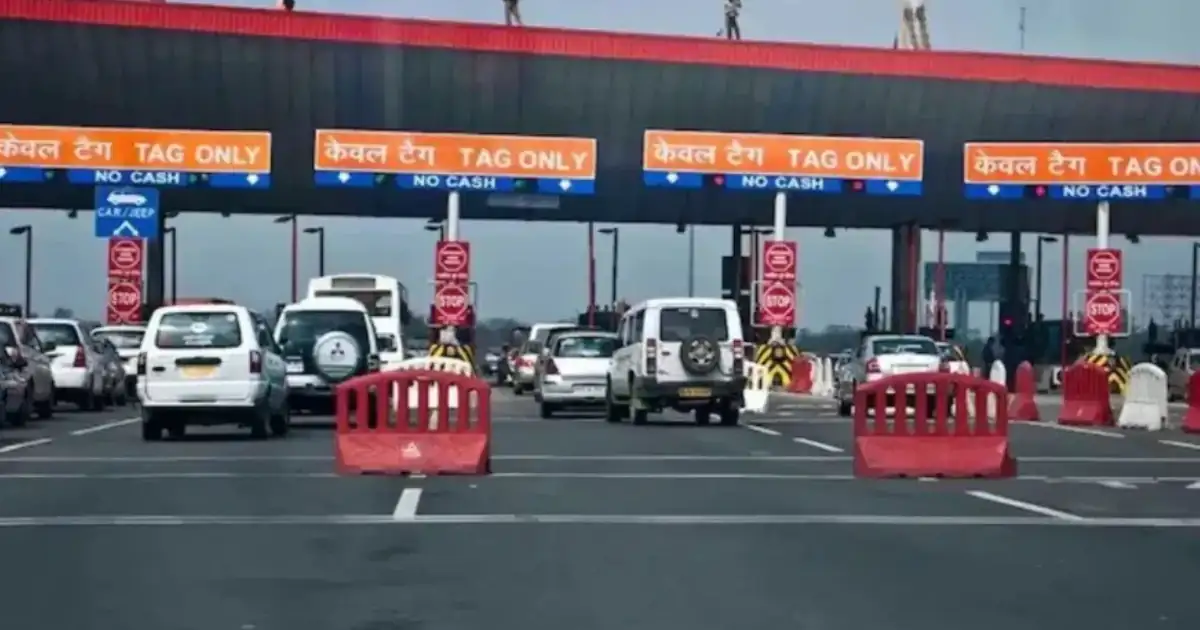
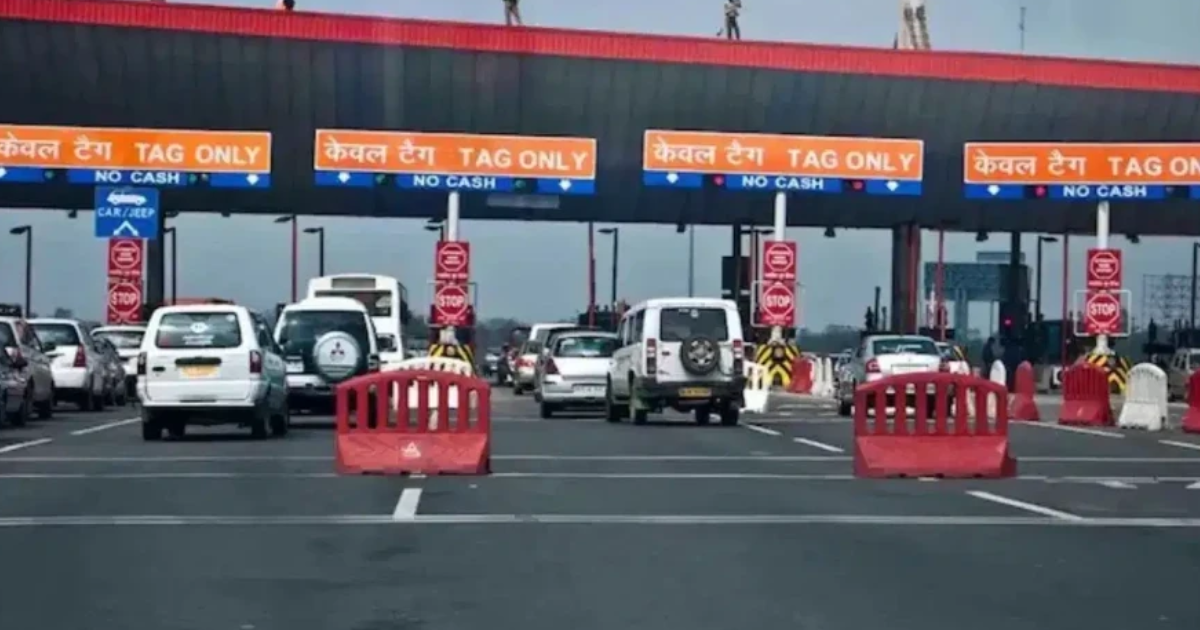
The National Highways Authority of India (NHAI) has introduced the Digital Local Pass System through the RajmargYatra mobile application, marking another step towards digitising highway services and improving the commuting experience for regular users of national highways.
NHAI's Digital Local Pass System on RajmargYatra App
The National Highways Authority of India (NHAI) has expanded the digital services available on its RajmargYatra mobile application by introducing a digital Local Pass facility, alongside a new AI-powered "MargMitra" Help Centre. The launch is being positioned in line with the Government of India's Digital India vision and its broader push to improve ease of living through technology-driven public services. The Local Pass feature has been rolled out initially at the Mundka-Bakkarwala Toll Plaza on Urban Extension Road-II (UER-II) in Delhi, and NHAI has indicated it will be gradually extended to other eligible toll plazas across the country in the coming months.
"The newly introduced Local Pass feature enables eligible commuters to purchase monthly toll passes digitally through the RajmargYatra mobile application without the need to visit a toll plaza."
This description from NHAI's own statement captures the system's core value proposition: eliminating the earlier requirement that nearby residents physically visit the toll plaza and submit paper documentation to avail a local concession. The rollout comes against the backdrop of some local friction at this very plaza — residents near Mundka-Bakkarwala had earlier protested toll charges on a stretch built partly on land acquired from their villages, with a monthly local pass priced around ₹350 having been introduced as a partial concession. The new digital system builds on that existing local-pass framework by making its purchase entirely online.
Features of the Digital Local Pass System
Under the new system, residents living within a 20-kilometre radius of an eligible toll plaza can purchase a Local Pass directly through the RajmargYatra app, granting them unlimited travel through that specific toll plaza for a period of one month. The verification process is built around consent-based integration with government digital platforms — specifically DigiLocker, used to verify a commuter's address, and VAHAN, used to confirm vehicle registration details and the FASTag linked to that vehicle. Eligibility is further cross-checked using GIS-based validation, which geographically confirms that an applicant's registered address genuinely falls within the qualifying 20-kilometre radius of the relevant plaza. Together, this replaces what was previously a manual, document-heavy process with an automated, largely paperless one, while aiming to preserve transparency and accuracy in eligibility determination.
About the RajmargYatra App
RajmargYatra is a citizen-centric mobile application developed by NHAI to improve the highway travel experience for citizens, and it is complemented by a web-based application used for updating information and monitoring grievance redressal. Beyond toll-related services, the app provides real-time information on highways and toll plazas, along with details of nearby amenities such as petrol pumps, hospitals, and electric vehicle charging stations, as well as weather updates relevant to a traveller's route. The app had already recorded strong adoption prior to this expansion, having facilitated the sale of over eight million Annual Passes, which similarly feature real-time activation.
The MargMitra Help Centre
Alongside the Local Pass feature, NHAI has introduced MargMitra, an intelligent digital assistance platform integrated within the RajmargYatra app that functions as a single-window support system for highway users. It allows commuters to type or speak queries, feedback, or grievances in any of the 22 Indian languages, with the system responding through a conversational interface that either provides relevant information directly or routes the user to the appropriate service. MargMitra offers instant assistance across a range of common needs, including FASTag recharge, KYC requirements, refund status tracking, and Annual and Local Pass services, and for issues requiring formal intervention, it allows users to lodge complaints that are automatically routed to the concerned department for resolution.
Significance and Way Forward
The Digital Local Pass System represents a meaningful step in NHAI's broader digitisation of highway user services, reducing the friction that has historically accompanied toll-related concessions for local residents — a friction that, as seen at Mundka-Bakkarwala itself, has previously spilled into public protest. By anchoring eligibility verification in already-existing government data systems such as DigiLocker and VAHAN rather than requiring fresh documentation, the system also reflects a wider trend in Indian digital governance of reusing verified data across platforms to minimise citizen-facing paperwork.
Its success will depend significantly on how smoothly the pilot at Mundka-Bakkarwala scales to other toll plazas nationwide, particularly given the diversity of local contexts — many toll plazas across India face similar local-resident concerns around land acquisition and toll fairness, and a digitally accessible, transparent local-pass mechanism could help address some of these tensions if implemented consistently. The parallel rollout of MargMitra's multilingual grievance-redressal capability may also serve as a useful complaint-management channel to catch and resolve local disputes before they escalate, as has happened previously at this very plaza.
Conclusion
NHAI's introduction of the Digital Local Pass System on the RajmargYatra app marks a targeted but significant improvement in the convenience and transparency of highway toll administration for local residents, replacing a manual documentation process with a consent-based digital verification system anchored in DigiLocker, VAHAN, and GIS validation. As the pilot at Mundka-Bakkarwala expands to other toll plazas, it offers a template for how India's digital governance infrastructure can be layered onto physical infrastructure projects to make everyday citizen interactions with public services faster, more transparent, and less burdensome.