Kala Sanskriti Vikas Yojana (KSVY): Umbrella Scheme for Promoting India’s Art and Cultural Heritage
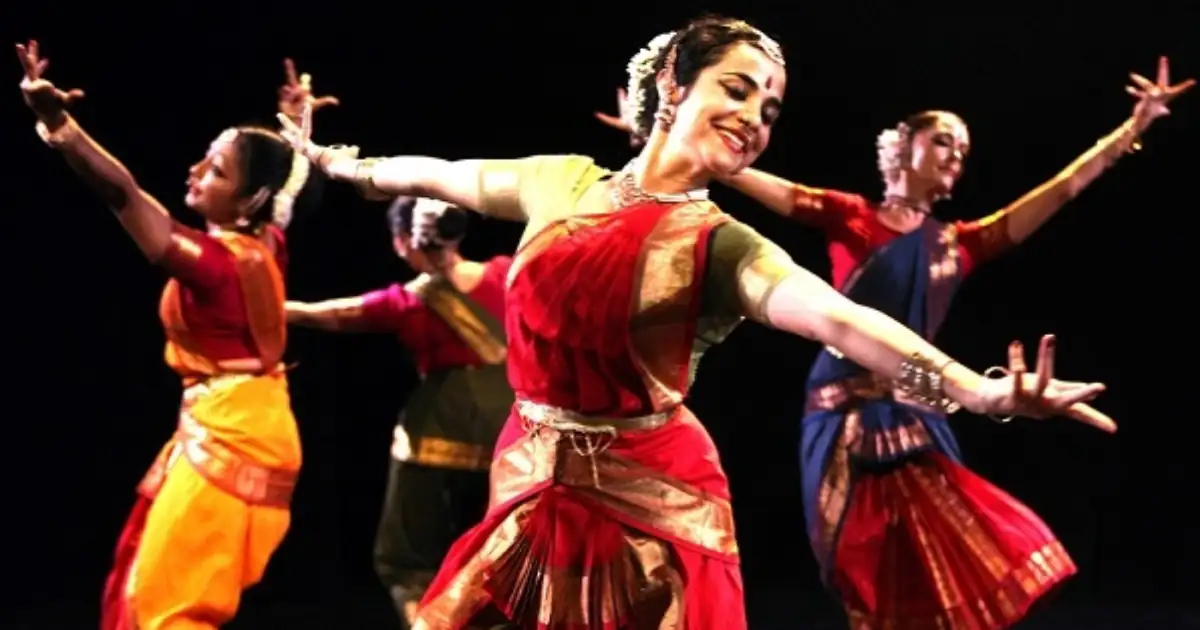
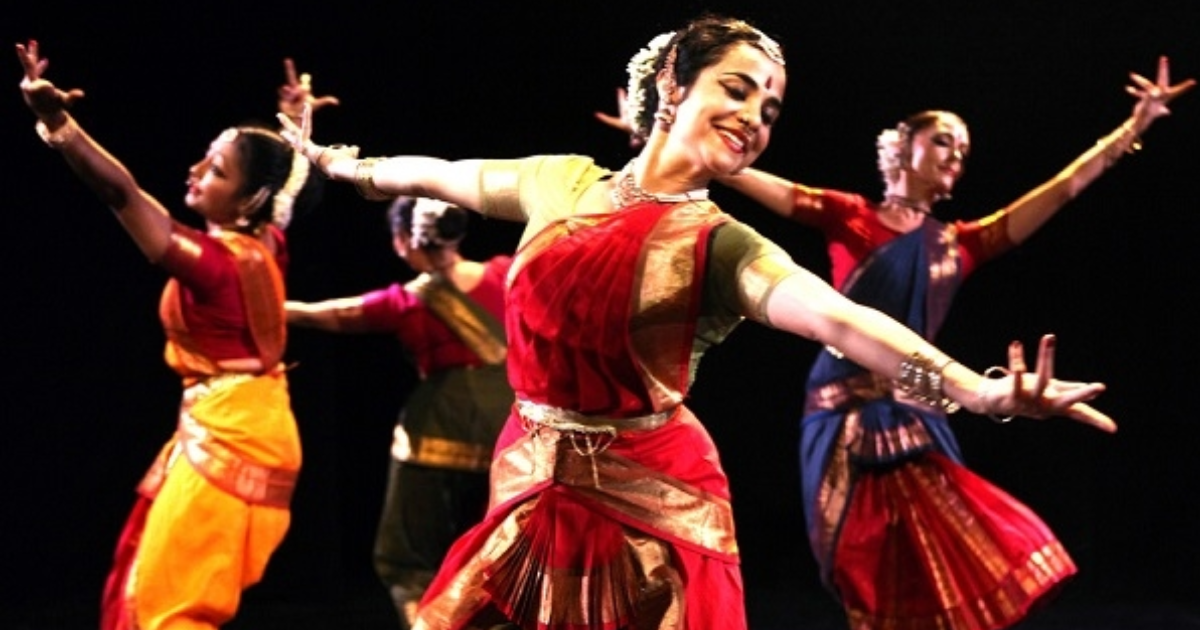
The Union Minister for Culture recently informed the Lok Sabha about the Kala Sanskriti Vikas Yojana (KSVY), an umbrella scheme of the Ministry of Culture aimed at preserving, promoting, and developing India's rich artistic and cultural heritage through financial assistance and institutional support.
What is KSVY?
Kala Sanskriti Vikas Yojana is an umbrella Scheme consisting of eight scheme components under which financial assistance is provided to eligible cultural organizations and individuals working in the field of performing arts across the country. It is implemented by the Ministry of Culture as a Central Sector Scheme, meaning it is fully funded by the Central Government with no provision for state-wise allocation of funds.
Its overarching goal is to promote, preserve, and disseminate India's rich intangible and performing art heritage, while supporting artists, troupes, and institutions engaged in this work — including artists from Scheduled Castes across the country.
Sub-Schemes Under the Umbrella
KSVY brings together multiple sub-schemes under one roof:
Financial Assistance for Promotion of Guru-Shishya Parampara (Repertory Grant) — provides financial assistance to cultural organizations working in performing arts activities like dramatic/theatre groups, music ensembles, children's theatre, and dance groups, supporting the traditional teacher-disciple mode of transmitting art forms.
Scheme of Financial Assistance for Promotion of Art and Culture — general grants for festivals, exhibitions, workshops, and performances.
Scheme of Scholarship and Fellowship for Promotion of Art and Culture — support for individual artists and scholars.
Financial Assistance for Construction of Tagore Cultural Complexes (TCC) — infrastructure grants for building auditoriums and cultural centers.
Financial Assistance for Veteran Artists — pension-like support for senior artists in financial distress.
Seva Bhoj Yojana — reimburses the Central GST and Central Government's share of IGST paid on specific raw food items purchased by charitable/religious institutions for distributing free food, covering places like Gurudwaras, temples, dharmik ashrams, mosques, dargahs, churches, maths, and monasteries.
National Gandhi Heritage Site Mission — preservation of sites associated with Mahatma Gandhi.
National Award Scheme — honours and recognitions for outstanding contribution to art and culture.
Notably, a further component — Financial Assistance for the Development of Buddhist/Tibetan Culture & Art — has also operated under KSVY; during the cycle F.Y. 2021-22 to 2025-26, Rs. 93.81 crore was released to 1,735 voluntary organizations under this sub-component.
Key Features
Financial Assistance: Direct grants to artists, NGOs, and cultural institutions for programs and activities.
Support for Cultural Programs: Encourages festivals, exhibitions, seminars, workshops, and performances at multiple levels.
Infrastructure Development: Funding for building/modernizing auditoriums, museums, and cultural centres (e.g., Tagore Cultural Complexes).
Focus on Intangible Heritage: Safeguards traditions in music, dance, crafts, and rituals, including UNESCO-recognised forms.
Inclusive Approach: Encourages participation from rural, tribal, and underrepresented communities.
Pan-India Coverage: Though centrally funded with no state-wise fund earmarking, it is meant to serve all states and regions.
Developments
The Ministry of Culture released operational data for KSVY for the fiscal year 2024-25, with the scheme's outlay standing at ₹207.24 crore for that year.
The Ministry of Culture has invited applications for KSVY for the 2026-27 cycle, so the scheme remains active and ongoing.
The scheme has repeatedly featured in Parliament Q&A sessions (both Lok Sabha and Rajya Sabha), with successive Culture Ministers providing updates on funds disbursed, organisations supported, and state-wise details on request.
Challenges Flagged (Parliamentary Standing Committee Observations)
Budget allocation for the Ministry of Culture is less than 0.1% of the Union Budget, which limits KSVY's reach and effectiveness.
Eligibility criteria for major grants often require significant financial turnover, which tends to favour large, established urban organisations over smaller rural troupes — an "urban bias".
Artists in rural areas with limited digital literacy face difficulty accessing scheme benefits because of online application hurdles — the "digital divide".
Suggested reforms include increasing the financial outlay to keep pace with inflation and enhance the value of grants and scholarships, and integrating KSVY with tourism initiatives like "Dekho Apna Desh" to create cultural-tourism synergies.
Conclusion
KSVY stands as one of the Ministry of Culture's most comprehensive instruments for nurturing India's living heritage — stitching together grants for gurus and shishyas, veteran artists, cultural infrastructure, community kitchens, and heritage sites under one administrative umbrella. Its strength lies in this breadth of coverage; its weakness lies in the gap between ambition and allocation. For KSVY to truly become a pan-India vehicle of cultural preservation rather than one skewed toward well-resourced urban bodies, it will need larger budgetary support, simplified digital access for rural and tribal artists, and closer integration with sectors like tourism — ensuring that India's intangible heritage is not just documented, but actively kept alive by the very communities that created it.