Prevention of Insults to National Honour (Amendment) Bill, 2026: Statutory Protection Proposed for Vande Mata
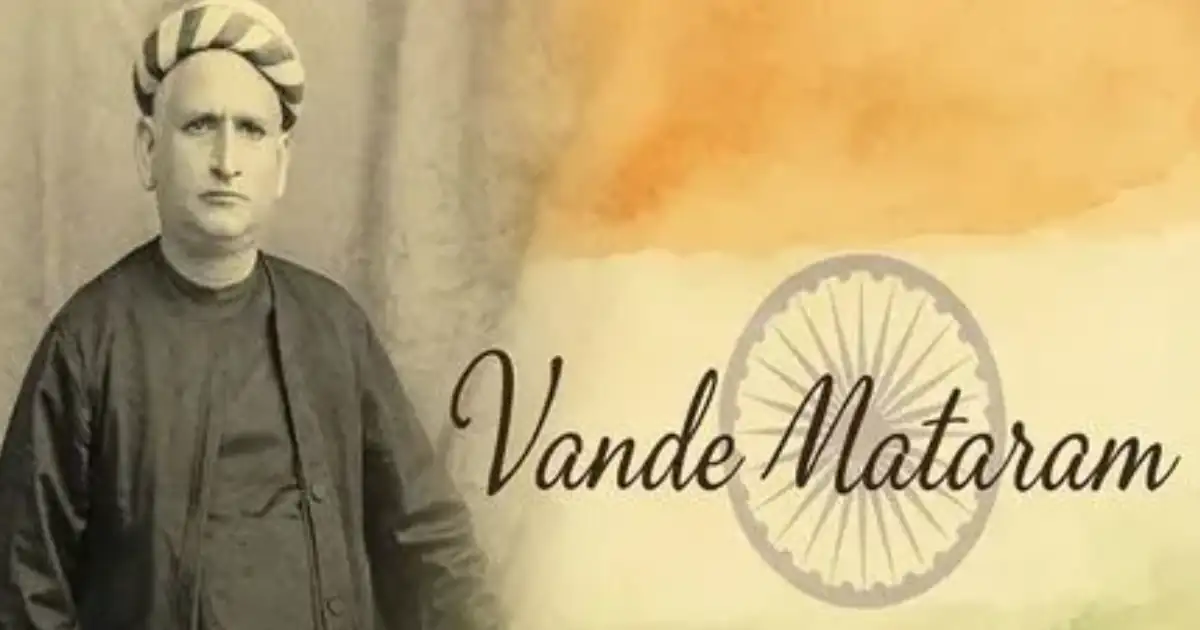
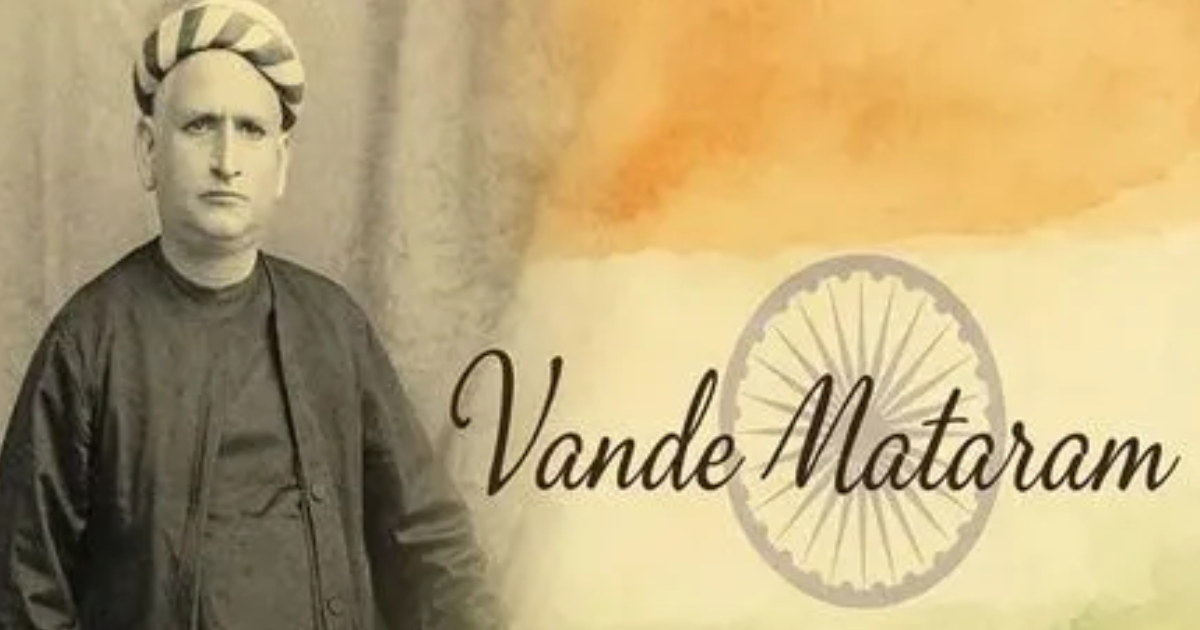
The Prevention of Insults to National Honour (Amendment) Bill, 2026 seeks to amend the Prevention of Insults to National Honour Act, 1971 by extending the same statutory protection currently available to the National Anthem ("Jana Gana Mana") to the National Song ("Vande Mataram").
Prevention of Insults to National Honour (Amendment) Bill, 2026: Elevating Vande Mataram's Legal Status
The Bill and Its Timing
Union Home Minister Amit Shah introduced the Prevention of Insults to National Honour (Amendment) Bill, 2026 in the Rajya Sabha on 20 July, the opening day of the Monsoon Session of Parliament. The Bill seeks to amend the Prevention of Insults to National Honour Act, 1971, extending to the national song, Vande Mataram, the same statutory protection currently reserved for the national anthem, Jana Gana Mana. Its introduction coincides deliberately with the 150th anniversary year of Vande Mataram's composition by Bankim Chandra Chattopadhyay, first written in the 1870s and published as part of his Bengali novel Anandmath in 1882.
What the Bill Proposes
Under Section 3 of the 1971 Act, intentionally preventing the singing of the national anthem, or causing disturbance to an assembly engaged in such singing, already constitutes a criminal offence carrying imprisonment of up to three years, a fine, or both. The amending Bill proposes to bring the national song within the ambit of this very provision, effectively criminalising any intentional obstruction or insult directed at its singing as well. Notably, this Act already governs disrespect toward the national flag, the national emblem, and the Constitution, so the amendment would place Vande Mataram within an existing and well-tested penal framework rather than creating an entirely new one.
The Advisory That Preceded the Bill
Earlier in the year, the Union Home Ministry issued detailed guidelines titled "Orders Relating to the National Song of India." These guidelines specified the authorised six-stanza lyrics, restoring the song's original length; identified occasions for its singing, including flag-unfurling ceremonies and cultural functions; directed that audiences must stand to attention when the official version is played; and suggested that school days could open with community singing of the song. The directive, issued on 28 January 2026, further stipulated that where both the national song and the national anthem are performed together, Vande Mataram would be sung first.
Judicial Response Before the Bill's Introduction
The advisory nature of these guidelines drew a constitutional challenge, with the petitioner's senior counsel arguing that citizens could face indirect compulsion or social discrimination for choosing not to sing, even in the absence of formal penalties.
"We will hear all this when there are penal consequences or when it is made mandatory. This notification is advisory. No penal consequences."
A bench headed by the Chief Justice of India dismissed the plea, terming it premature and resting on a speculative apprehension of discrimination rather than any concrete instance of harm. The Court's reasoning turned entirely on the absence of penal teeth in the January notification — a distinction that becomes critical once the pending amendment is read alongside it, since the Bill would introduce precisely the penal consequences whose absence had been decisive in the Court's refusal to intervene.
Precedent on What Counts as "Disturbance"
Since Section 3 has so far applied only to the national anthem, existing case law offers a preview of how courts might interpret the amended provision. In Salman v. State of Kerala (2014), the Kerala High Court declined to quash an FIR against a person accused of making noise during the singing of the national anthem, holding that causing obstruction through loud or contemptuous noise falls squarely within the statutory definition of the offence and warrants police investigation. This precedent suggests that overt, disruptive conduct — rather than mere non-participation — is what the law is designed to capture.
The Bijoe Emmanuel Safeguard
A more foundational precedent draws a sharp line between actively disrupting a performance and simply abstaining from it. In Bijoe Emmanuel & Ors v. State of Kerala (1986), three children belonging to the Jehovah's Witnesses faith were expelled from school for declining to sing the national anthem during assembly, even though they stood respectfully in silence throughout, their refusal rooted in a religious belief against singing praise to anyone but God.
"Proper respect is shown to the National Anthem by standing up when the National Anthem is sung... It will not be right to say that disrespect is shown by not joining in the singing."
The Supreme Court held that the expulsion violated the students' freedom of speech and expression under Article 19(1)(a) and their freedom of religion under Article 25(1), affirming that no legal provision obliges any individual to sing the national anthem. The bench went further to underline the constitutional value at stake, observing that the real test of a genuine democracy lies in its ability to let even an insignificant minority find its identity under the Constitution, and closing with the reflection that the country's tradition, philosophy, and Constitution all teach tolerance.
Significance and the Balance Ahead
The Bill marks a significant elevation of Vande Mataram's legal standing, moving it from an advisory, penalty-free instrument to one backed by criminal sanction, and it does so at a moment when the government has actively promoted the song's 150th anniversary through the restoration of its full six-stanza version at official events. Yet the Bijoe Emmanuel precedent supplies an important constitutional guardrail: courts have consistently distinguished between deliberate disruption, which the law may legitimately punish, and quiet non-participation rooted in conscience or religious belief, which remains constitutionally protected. Any prosecution under the amended law will likely have to draw this same line carefully, since criminalising mere abstention would run directly against settled Supreme Court doctrine. Much will also depend on how courts define "insult" and "disturbance" in this new context, given that the term has so far only been tested in relation to the anthem and not the song.
Conclusion
The Prevention of Insults to National Honour (Amendment) Bill, 2026 represents a deliberate legislative move to place Vande Mataram on near-equal footing with Jana Gana Mana, criminalising deliberate disruption of its singing at a symbolically significant moment in the song's history. Yet the amendment does not exist in a legal vacuum: it will operate against the backdrop of the Bijoe Emmanuel judgment, which reminds the state that respect for national symbols must coexist with constitutionally protected individual freedoms of conscience and religion. Whether the new law is tested in the courts, and how it draws the line between punishable disruption and protected silence, will determine whether this legislative elevation of the national song remains true to that delicate constitutional balance.