Five New Allographa Lichen-Forming Fungi Species Discovered in the Western Ghats
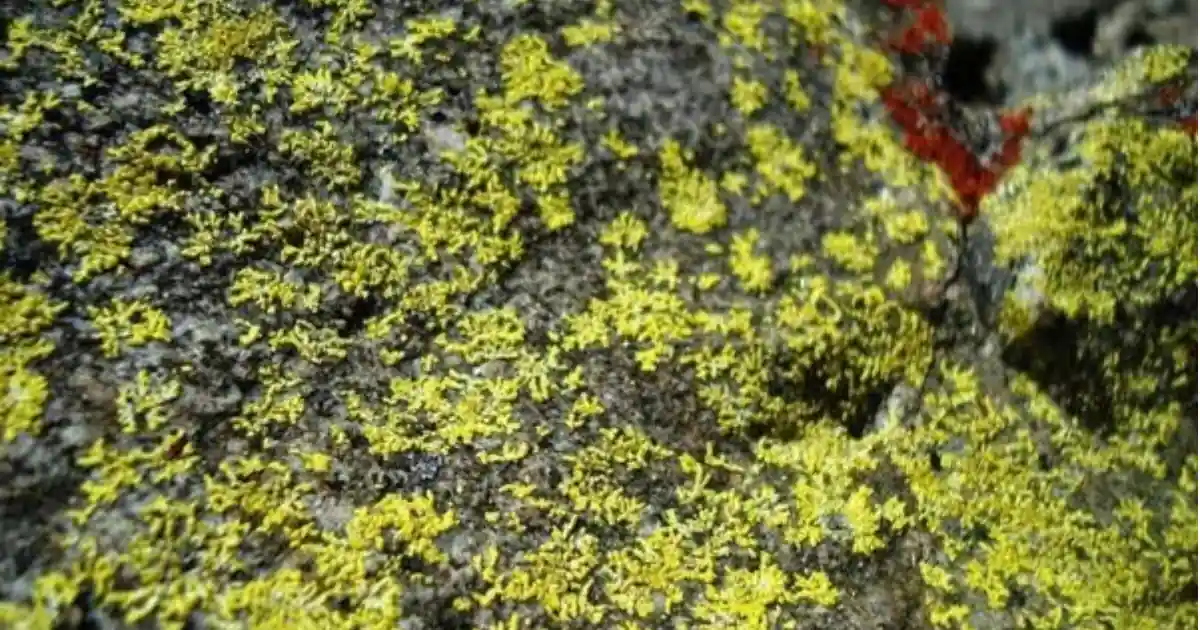
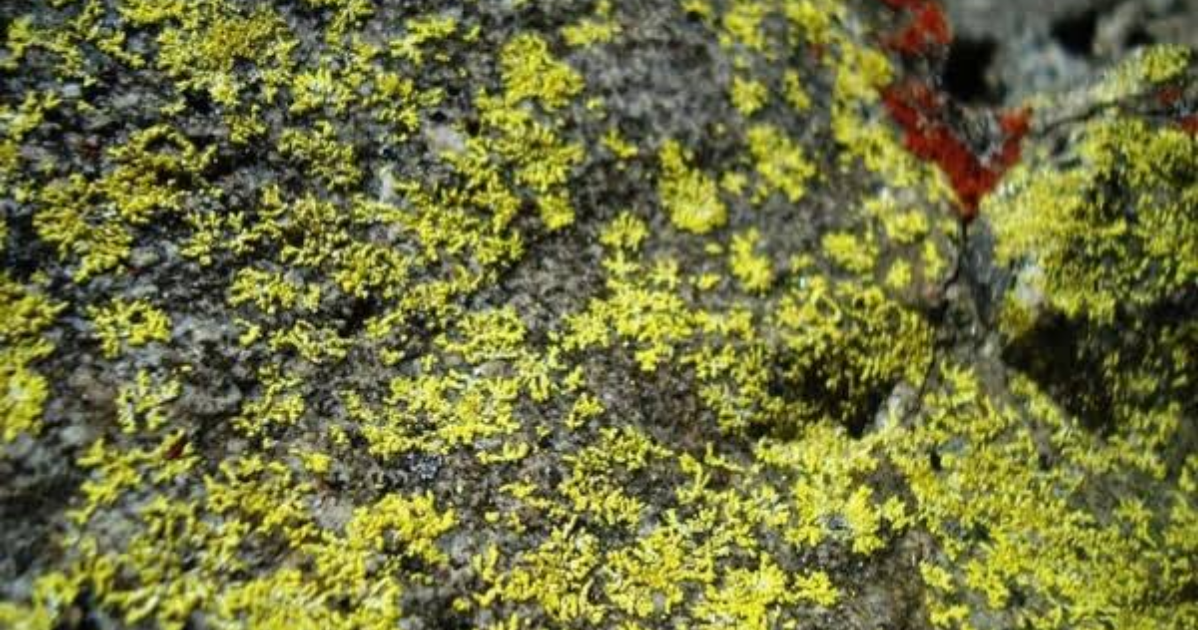
Researchers have recently discovered five new species of lichen-forming fungi belonging to the genus Allographa from the Western Ghats, highlighting the region's rich and unique biodiversity.
Five New Species of Allographa Lichen-Forming Fungi
A team of researchers has unveiled five new species of lichen-forming fungi belonging to the genus Allographa, discovered from the Western Ghats.
What is Allographa?
It is a genus of script lichens, or lichen-forming fungi, meaning a fungus that teams up with algae or cyanobacteria to form a lichen.
It is characterised by elongated fruiting bodies and belongs to the family Graphidaceae.
The genus has more than 200 species worldwide, but Indian records of Allographa are limited, particularly from the Western Ghats.
Ecological Role of Allographa
These lichens are highly sensitive to pollution.
They are sensitive to climate shifts.
They are sensitive to habitat disturbance.
This sensitivity makes them reliable indicators of ecosystem health.
The Five Newly Discovered Species
Allographa keralensis
Allographa paraconsanguinea
Allographa persistinspersa
Allographa semicarbonisata
What Are Lichens?
A lichen is not a single organism but two, and sometimes more, organisms living in intimate symbiosis.
One partner is a fungus, which provides structure and protection.
The other partner is a photobiont, usually a green alga or a cyanobacterium, which captures sunlight and produces food through photosynthesis.
Ecological Significance of Lichens
They play a role in building soil.
They serve as a food source for insects.
They act as nature's bioindicators, reflecting the health of the surrounding environment.
Conclusion
The discovery of five new Allographa species from the Western Ghats adds to the region's reputation as one of the world's major biodiversity hotspots and underlines how much of India's lichen diversity remains undocumented, especially given how limited existing Indian records of this genus are. Because lichens like Allographa are unusually sensitive to pollution, climate change, and habitat disturbance, their presence or absence offers scientists an early, low-cost way to monitor the health of an ecosystem long before other, more visible signs of degradation appear. Beyond their role as bioindicators, lichens quietly contribute to ecosystem functioning by aiding soil formation and supporting insect food chains, making them far more ecologically significant than their inconspicuous appearance suggests. For examination purposes, the key points to remember are the genus's identity as script lichens in the family Graphidaceae, its symbiotic fungus-photobiont structure, its value as a pollution and climate indicator, and the names of the four newly identified Western Ghats species along with the fact that five new species were discovered in total.