Karlapat Bauxite Block: Odisha’s Untapped Aluminium Resource Draws Major Industry Interest
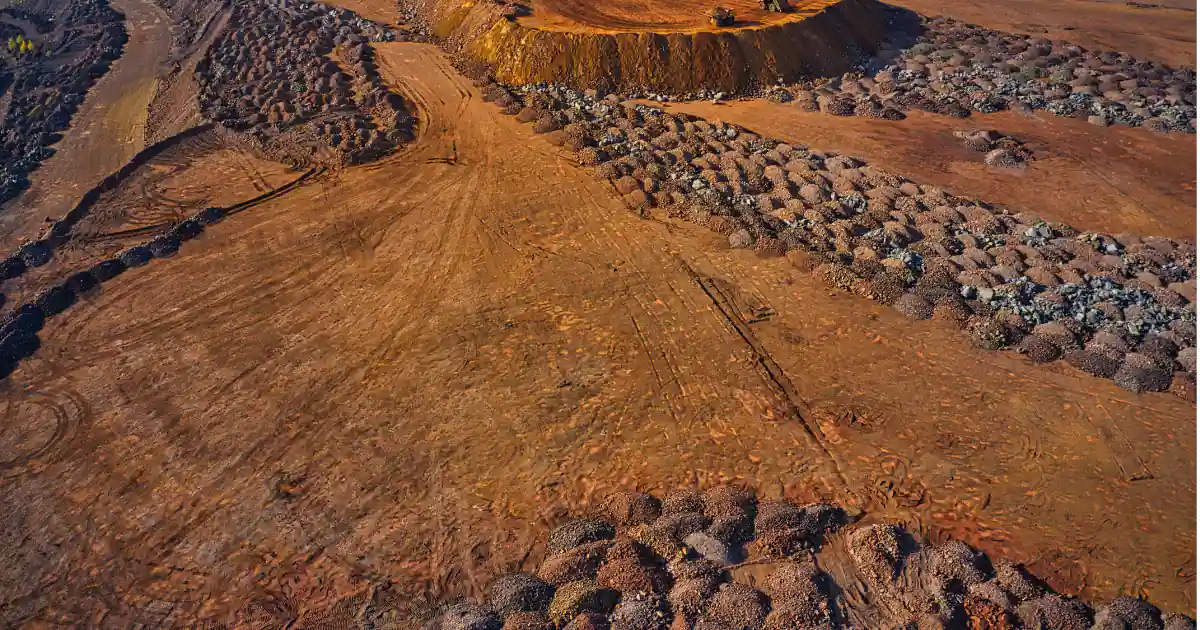
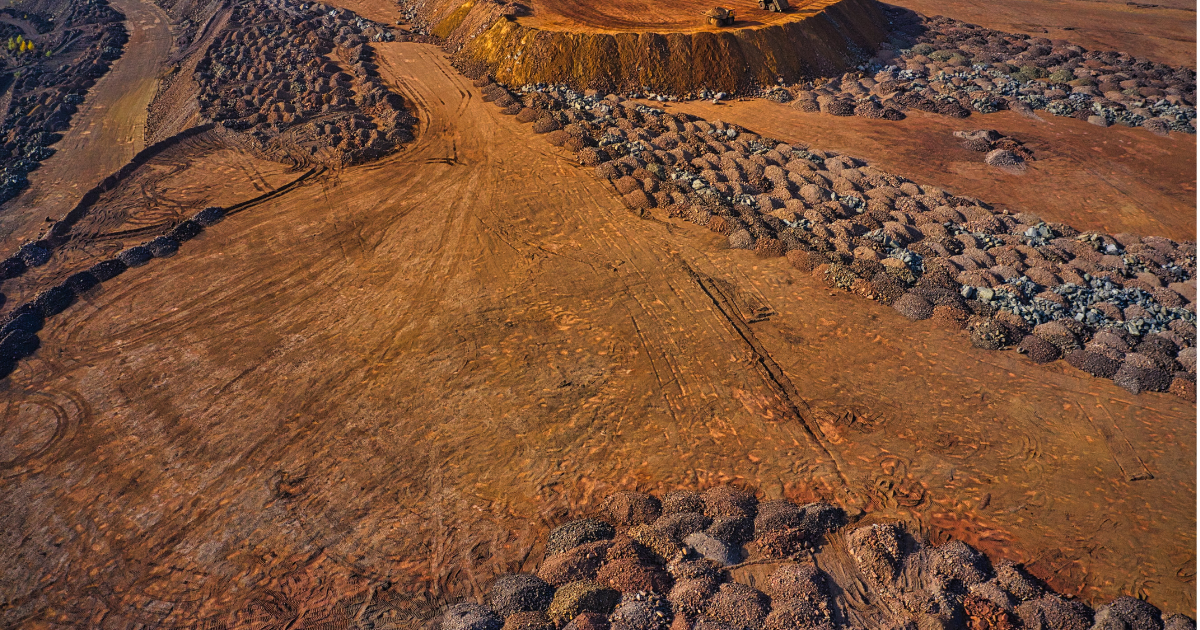
The Karlapat Bauxite Block is one of India's largest untapped greenfield bauxite deposits, located in Kalahandi district of Odisha. It has recently attracted interest from several leading industrial groups due to its vast reserves and strategic importance for India's aluminium industry.
The Race for Odisha's Karlapat Bauxite Block
Some of India's largest industrial conglomerates — Adani, Reliance Industries, Hindalco, Vedanta Aluminium, Naveen Jindal-backed Powercem, and state-run Coal India — are competing for access to the Karlapat bauxite block in Odisha's Kalahandi district, in what has quickly become one of the most closely watched mineral auctions of the year. The scale of interest reflects a broader shift in how India's biggest industrial groups think about raw material risk, as companies that once bought bauxite on contract or through the open market now seek to lock in long-term, captive sources ahead of major capacity expansions.
About the Karlapat Bauxite Block
Karlapat is a bauxite deposit situated in Kalahandi district, and its greenfield status — meaning it has never been commercially mined — is precisely what makes it valuable in a sector where most large, high-grade deposits have already been allocated. The block carries an estimated resource of about 207 million tonnes, comprising 153 million tonnes of proved reserves and 54 million tonnes of possible reserves, spread across a plateau of roughly 9.6 square kilometres with an average ore thickness of nearly 12 metres. Geologically, the deposit sits within the mineral-dense Eastern Ghats Mobile Belt, formed through the in-situ chemical weathering of pre-existing Precambrian rocks — specifically khondalites and charnockites. Its ore carries an alumina content of about 45.2 per cent with low silica levels, a combination that makes it particularly attractive for alumina refining since low silica content reduces processing costs and improves extraction efficiency.
Karlapat-Pollingpadar has not been tied to any entrepreneur, making it one of the few large undeveloped deposits available for allocation.
Odisha's Place in India's Bauxite Geography
India's major bauxite resources are concentrated along the East Coast deposits of Odisha and Andhra Pradesh, with Odisha alone holding around 2,057 million tonnes and accounting for roughly 41 per cent of the country's total bauxite resources. Within the state, bauxite occurs across Balangir, Kalahandi, Kandhamal, Kendujhar, Koraput, Malkangiri, Rayagada, and Sundargarh districts, placing Karlapat within a cluster of deposits that includes Panchpatmali in Koraput, Sijimali in Rayagada, and Gandhamardan spanning Bolangir and Bargarh. Several of these — Sijimali among them — have already been allotted, with Vedanta emerging as the preferred bidder there, which is part of why Karlapat's continued availability has generated such intense competition.
Why Bauxite Matters
Bauxite is the only commercially viable ore for producing aluminium, and aluminium ranks as the second most widely used industrial metal after silica-based materials, with applications spanning transport, construction, power, chemicals, and manufacturing. For companies bidding on Karlapat, the calculation is straightforward: Vedanta Aluminium, already India's largest producer at 2.5 million tonnes annually, has laid out plans to more than double that to 6 million tonnes, while Hindalco is expanding its Aditya Aluminium complex in Odisha to meet anticipated demand from renewable energy, aerospace, and electric vehicle customers. Adani Enterprises, meanwhile, is pursuing an $11.5 billion aluminium venture with Abu Dhabi's International Holding Company that will require a raw material base matched to its scale from the outset rather than built up over years.
The Environmental and Legal Backdrop
Karlapat's history is not one of straightforward extraction. The block sits adjacent to the Karlapat Wildlife Sanctuary, an ecologically sensitive elephant corridor, and this proximity has repeatedly complicated attempts to bring the deposit to auction. An earlier bid to auction Karlapat to private players was struck down by the Odisha High Court in September 2021, and the state's renewed push — alongside simultaneous allocations for the nearby Sijimali and Kutrumali blocks — has triggered fresh local resentment in Kalahandi, where resource-rich hills largely fall within the Thuamul Rampur block even as the associated alumina refining infrastructure is being centralised in neighbouring Rayagada.
Significance
Karlapat's auction captures a tension that runs through much of India's mineral policy: the push to secure domestic raw material self-sufficiency for a metal central to the energy transition and manufacturing growth, set against the ecological cost of mining near a designated wildlife sanctuary and the social cost borne by communities whose land underlies the resource. The scale of corporate interest — spanning private conglomerates and a public sector enterprise alike — signals that whichever way the auction resolves, its outcome will shape competitive positioning in India's aluminium industry for at least a decade, given how long large-scale bauxite reserves take to develop and deplete.
Conclusion
The contest for Karlapat is less about a single mining lease than about the shape of India's aluminium supply chain in the years ahead, as major producers race to convert uncertain contract-based sourcing into ownership of dependable, long-life reserves. Yet the block's location beside an elephant corridor and its repeated brushes with judicial intervention are a reminder that mineral wealth on paper does not automatically translate into an uncontested mining lease — Karlapat's ultimate fate will depend as much on how the state balances environmental and community concerns as on which conglomerate places the winning bid.