Kawal Tiger Reserve Named Priority Site for Tiger Recovery by NTCA
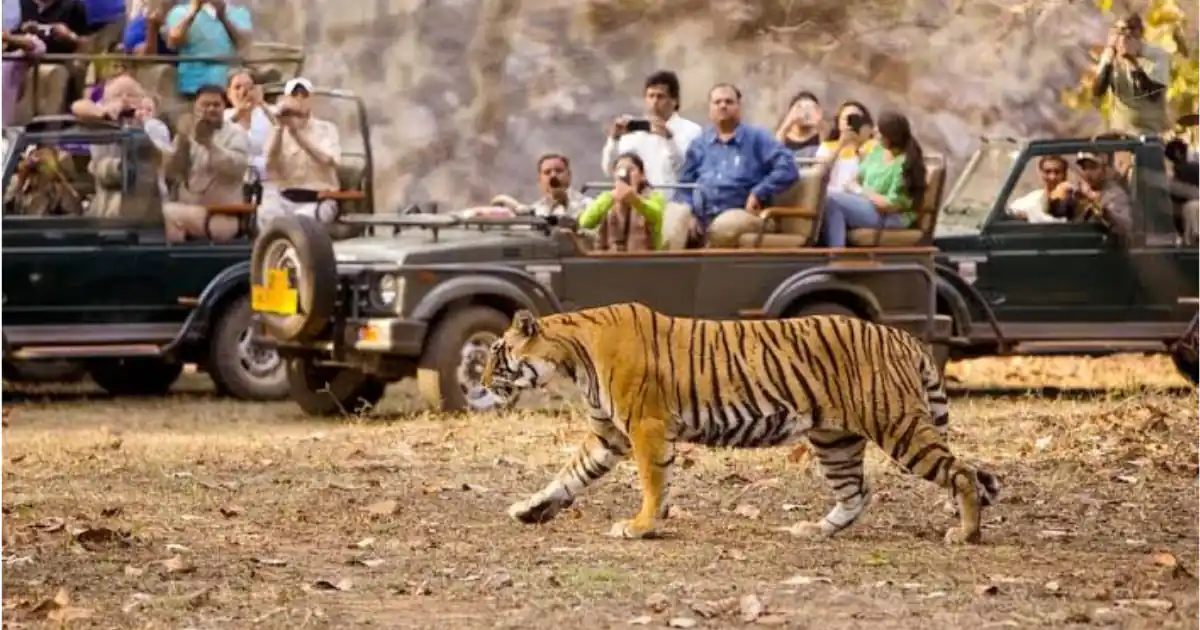
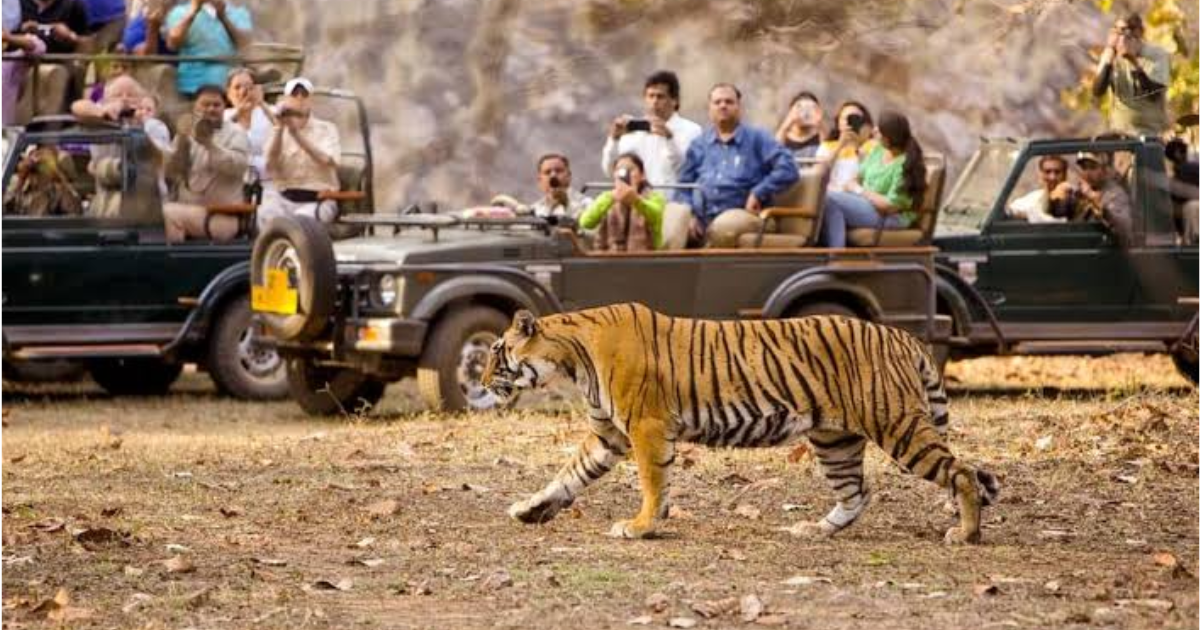
Kawal Tiger Reserve (KTR) is one of the most important tiger habitats in southern India and forms a crucial link in the Central Indian Tiger Landscape (CITL). Recently, the National Tiger Conservation Authority (NTCA) identified it as a priority recipient site for tiger recovery, highlighting its potential to support a sustainable tiger population through habitat restoration and natural dispersal.
Kawal Tiger Reserve: A Priority Site for Tiger Recovery
The National Tiger Conservation Authority has recently identified Kawal Tiger Reserve in Telangana as a 'priority recipient site' for tiger recovery, a designation that carries particular weight given the reserve's troubled recent history with resident tiger populations. The move stems from a joint assessment by the NTCA and the Wildlife Institute of India, which built an index evaluating all 58 tiger reserves in the country on habitat quality, prey availability, and tiger population status, ultimately flagging 25 reserves where at least one of these three factors was found to be under stress. The Central Indian and Eastern Ghats landscape, within which Kawal sits, recorded the largest number of reserves flagged for priority intervention.
About Kawal Tiger Reserve
Kawal is located in Telangana, primarily within the Mancherial district, and was declared a tiger reserve in 2012 under Project Tiger, having earlier existed as a wildlife sanctuary. It lies along the catchment of the river Godavari, with local rivulets including the Peddavagu and the Kadam also draining through it. Geographically, the reserve sits at the southernmost tip of the Central Indian Tiger Landscape, giving it crucial linkages with the Tadoba-Andhari Tiger Reserve in Maharashtra and the Indravati Tiger Reserve in Chhattisgarh — connections that matter directly for the recovery effort, since dispersing tigers from these neighbouring reserves have historically been the main source of any tiger presence in Kawal.
Habitat and Biodiversity
The reserve supports a mix of dense forests, grasslands, rivers, streams, and water bodies, set within Southern Tropical Dry Deciduous Forest vegetation. Teak dominates the flora alongside bamboo and species such as Anogeissus latifolia, Mitragyna parviflora, Terminalia crenulata, Terminalia arjuna, and Boswellia serrata. Faunal diversity here is characteristic of the Deccan Plateau rather than any Western Ghats influence, encompassing nilgai, chousingha, chinkara, blackbuck, sambar, spotted deer, wild dog, wolf, jackal, fox, leopard, and jungle cat, alongside the tiger itself when present.
The Troubling Reality Behind the Designation
The single biggest problem facing Kawal tiger reserve was that the state government was not backing its forest officials in protecting the reserve.
What makes the NTCA's designation particularly significant is the scale of the challenge it responds to. The 2026 All India Tiger Estimation exercise found zero tigers in Kawal, making it the thirteenth consecutive year that the reserve has gone without a single resident tiger, with the last confirmed tigers recorded back in 2013-14. Only three tigers were found in the fragmented corridor forests spanning Kumuram Bheem Asifabad and Mancherial districts. Officials point to encroachment and expanding podu cultivation as central obstacles, with more than 150,000 acres under illegal encroachment and a further 252,000 acres under podu cultivation, some with land rights and much without. Notably, five tigers reportedly moved into Kawal from neighbouring Maharashtra sanctuaries around the same period, with experts suggesting this migration may be driven by population growth and shrinking territory on the Maharashtra side rather than any pull factor unique to Kawal itself — underscoring that the reserve currently functions more as a transit corridor than a self-sustaining tiger habitat.
Recovery Potential
Despite this bleak recent record, conservation researchers have long argued that Kawal retains genuine potential. With roughly 900 square kilometres of core habitat and a further 1,100 square kilometres of buffer zone, the reserve possesses the physical scale needed to support a viable tiger population if threats are properly mitigated. Comparisons with Maharashtra's Tadoba reserve, from which tigers periodically migrate into Telangana and which generates substantial local income through wildlife tourism, have led forest officials to argue that sustained investment in protecting Kawal could similarly convert it into an economic asset for surrounding communities rather than merely a conservation liability.
Way Forward
Realising the NTCA's priority-recipient designation in practice will require the Telangana state government to back its forest department more decisively than it has so far, alongside firmer action on encroachment and podu cultivation that continue to erode habitat integrity. Strengthening connectivity with Tadoba-Andhari and Indravati reserves would help ensure that dispersing tigers have safe corridors into Kawal rather than sporadic, unprotected movement, while eco-development programmes that give local communities a tangible economic stake in the reserve's recovery — modelled on Tadoba's tourism revenue-sharing approach — could align conservation goals with community incentives rather than setting them at odds.
Conclusion
Kawal's designation as a priority recipient site captures a familiar tension in Indian conservation policy: a reserve with strong ecological bones — adequate core area, buffer zone, and landscape connectivity — being steadily hollowed out by governance failures rather than any inherent unsuitability for tigers. Its recovery will depend far less on further scientific assessment than on whether the state is willing to convert institutional attention into sustained protection on the ground, since the reserve's thirteen-year tiger drought reflects a failure of enforcement and political will more than a failure of habitat.