PM-YASASVI Scheme: Scholarships for OBC, EBC and DNT Students to Promote Inclusive Education
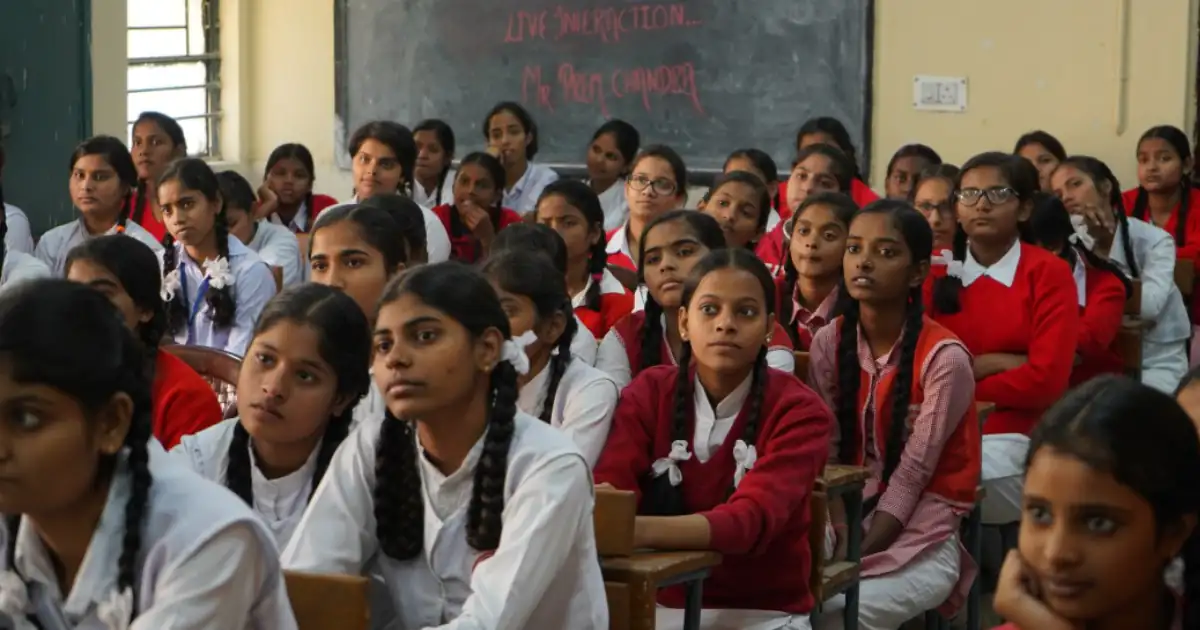
The PM-YASASVI (Prime Minister Young Achievers Scholarship Award Scheme for Vibrant India) is an umbrella scholarship programme of the Ministry of Social Justice and Empowerment aimed at expanding educational opportunities for students from Other Backward Classes (OBCs), Economically Backward Classes (EBCs), and Denotified Tribes (DNTs).
PM-YASASVI Scheme: Union Government's Reply in the Lok Sabha
The Minister of State for Social Justice and Empowerment, Banwari Lal Verma, recently informed the Lok Sabha about the status and functioning of the PM-YASASVI scheme, providing Parliament — and by extension the public — an updated picture of how this umbrella scholarship programme continues to support students from backward and denotified communities across the country.
About the Scheme
PM-YASASVI, formally the Prime Minister Young Achievers Scholarship Award Scheme for Vibrant India, is an umbrella scheme aimed at uplifting students from Other Backward Classes, Economically Backward Classes, and Denotified Tribes by providing them access to quality education during their formative years. Its stated objective is to reduce financial barriers and promote inclusive, equitable, and quality education for eligible students from these communities, treating educational access as a matter of social justice rather than simple welfare disbursal. Eligibility is pegged to a family income ceiling of Rs 2.5 lakh per annum, ensuring the scheme's limited resources reach genuinely disadvantaged households rather than being spread thin across the entire OBC, EBC, and DNT population.
The Four Components
The scheme comprises four major scholarship components, each calibrated to a different stage of a student's academic life. The Pre-Matric Scholarship Scheme supports students in the early secondary years, while the Post-Matric Scholarship Scheme extends assistance into higher and professional education. Sitting above these two baseline components are the Top Class Education in Schools Scheme and the Top Class Education in Colleges Scheme, both merit-linked and designed specifically to help high-achieving students from these communities gain and sustain admission to genuinely elite institutions rather than merely subsidising ordinary schooling.
The scheme is implemented by the Department of Social Justice and Empowerment, Ministry of Social Justice and Empowerment.
Financial Scale of the Scheme
The Department of Social Justice and Empowerment increased its spending on the scheme to Rs 2,042.08 crore in financial year 2025-26, reflecting significant growth across both the scholarship and Top Class Education components. This scaling matters because the two merit-linked components — Top Class School and Top Class College Education — are comparatively recent additions to the scheme's architecture, having begun receiving dedicated funding only from 2022-23 and 2023-24 respectively, and their continued budgetary growth suggests the government is treating elite-institution access as an increasingly central rather than peripheral goal of the scheme.
Why a Parliamentary Update Matters
Ministerial statements in the Lok Sabha on schemes like PM-YASASVI serve a function beyond routine information-sharing. They create a public, recorded account of implementation progress, funding trends, and — often — state-wise allocation patterns, which opposition members can then use to press for course corrections in constituencies where uptake or disbursal has lagged. Such statements are also frequently the moment at which enrolment numbers, pending applications, or grievances are placed on record, giving researchers and civil society groups a citable baseline against which to measure the scheme's actual reach.
Significance
That the scheme continues to draw parliamentary attention years after its 2021-22 launch signals that it has moved past its initial consolidation phase and into a period where its performance — rather than its design — is the subject of scrutiny. The steady rise in allocation, particularly toward the Top Class Education components, indicates a deliberate policy choice to widen the pipeline of OBC, EBC, and DNT students entering premier institutions, a goal that carries implications for representation in India's most competitive professional and academic spaces over the coming decade.
Conclusion
The Lok Sabha's continued engagement with PM-YASASVI reflects the scheme's maturation from a consolidation exercise into an established pillar of India's social justice architecture, one now judged less on its structural design than on whether rising budgetary allocations are translating into genuinely expanded access for the communities it targets. Sustaining this trajectory will require not just continued funding growth but transparent, regularly reported outcome data — enrolment figures, disbursal timelines, and dropout rates — so that parliamentary oversight can move from tracking spending to tracking impact.