India Allows FDI in Inventory-Based E-Commerce for Export-Only Operations
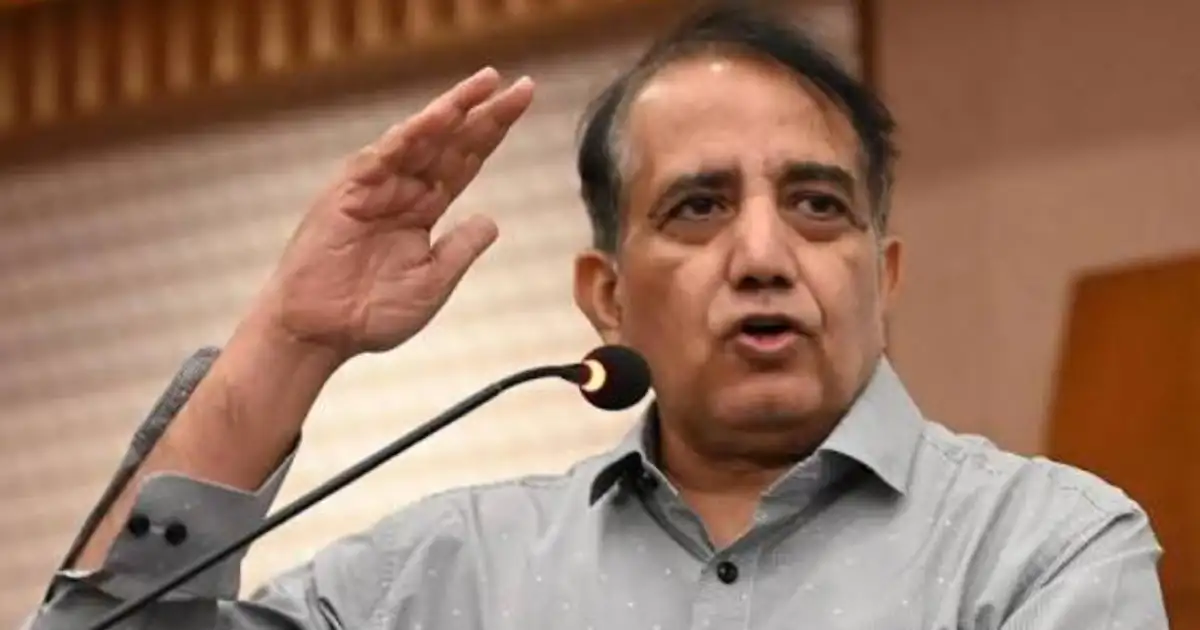
The Government of India has amended the Foreign Direct Investment (FDI) Policy to allow 100% FDI in inventory-based e-commerce entities exclusively for exports of goods manufactured or produced in India.
FDI in Inventory-Based E-Commerce: Opening the Export Window
The Department for Promotion of Industry and Internal Trade (DPIIT) has amended India's Foreign Direct Investment policy to permit foreign investment in the inventory-based model of e-commerce, but exclusively for exporting goods manufactured or produced in India. The change, notified through Press Note 3 of the 2026 Series, leaves domestic retail rules untouched while carving out a distinct export-only pathway for foreign-funded platforms.
Two Models, One Divide
India's FDI framework has long drawn a line between the marketplace model, where a platform merely connects buyers and independent sellers without owning goods, and the inventory-based model, where the platform itself owns and directly sells the stock. Since 2016, India's FDI policy has permitted foreign investment in marketplace-based e-commerce for domestic retail, while barring FDI in inventory-based, business-to-consumer e-commerce operations within the country. This distinction was meant to shield small retailers from being outcompeted by deep-pocketed foreign capital owning inventory directly.
Even as this domestic wall stood, the Government pushed a parallel export agenda — foreign trade policy tweaks, customs reforms for courier shipments, and digital trade facilitation — aimed at getting Indian manufacturers and MSMEs onto global platforms.
What the New Clause Says
DPIIT has now inserted specific language into the FDI policy clarifying that "an e-commerce entity is permitted to engage in inventory-based model of ecommerce exclusively for the export of goods/products manufactured and/or produced in India as per the applicable provisions of the Foreign Trade Policy 2023." Officials framed the rationale as one of clarity rather than fresh liberalisation, noting the move removes uncertainty, reinforces policy predictability for foreign investors, and aligns the FDI framework with India's export promotion agenda, while preserving safeguards applicable to domestic e-commerce.
"In order to facilitate greater exports through easier and increased access to global markets by Indian sellers, the extant FDI Policy has been reviewed..." — DPIIT Press Note, July 2026
Crucially, the domestic B2C restriction remains fully intact: FDI in inventory-based e-commerce retailing within India has not been permitted, and firms availing the new export route must maintain inventory strictly for outbound shipment of India-made goods.
Why the Clarification Was Needed
Before this amendment, an interpretational grey zone existed. FDI was already allowed in B2B e-commerce and the marketplace model, but it remained unclear whether the inventory restrictions meant for domestic retail extended to export-oriented operations as well. The new clause resolves this by confining the inventory bar strictly to domestic trade.
Anticipated Benefits
The policy is pitched as a boost for Indian manufacturers, particularly MSMEs in Tier-II and Tier-III towns, by giving them warehousing, logistics, and global buyer access through established international platforms. Analysts expect the change to help small businesses reach global markets and buyers more easily, while also benefiting global giants such as Amazon, which has itself set ambitious India-export targets in recent years. The Government has set a $200 billion e-commerce export target by 2030, alongside its broader aim of lifting manufacturing's share of GDP to 25% by 2035.
Concerns Raised
Not everyone reads the amendment as benign or narrow. The Global Trade Research Initiative cautioned that the move is expected to benefit large American companies such as Amazon and could pave the way for a wider opening of India's online retail sector, pointing out that India had maintained the marketplace-inventory distinction for nearly a decade. Trade experts have separately flagged the practical difficulty of ring-fencing export-only inventory from domestic sales streams, warning that blurred separation could invite regulatory circumvention, while others worry the export relaxation could snowball into pressure for similar liberalisation in the domestic segment.
Significance and Way Forward
The amendment illustrates a calibrated approach to liberalisation — expanding foreign capital's role in export-facing operations while holding the line on domestic retail protections for small traders. Its success will hinge on the robustness of monitoring mechanisms that prevent export-tagged inventory from leaking into the domestic market, an enforcement challenge that will test DPIIT's regulatory capacity more than its policy drafting. It also dovetails with Make in India, the Foreign Trade Policy 2023, and the Districts as Export Hubs initiative, reinforcing India's ambition to be positioned as a manufacturing-and-export hub rather than merely a destination for foreign retail capital.
Conclusion
By opening FDI in inventory-based e-commerce strictly for exports, the Government has attempted to reconcile two competing imperatives — accelerating India's outward merchandise trade through global platforms, and shielding domestic retailers from unrestricted foreign-owned competition. Whether this remains a narrow, well-fenced export corridor or becomes the thin edge of broader retail liberalisation will depend on how tightly the export-domestic inventory separation is enforced in practice, making implementation, not intent, the real test of this policy.