Arunachaleswarar Temple: Ancient Dravidian Shrine Dedicated to Lord Shiva
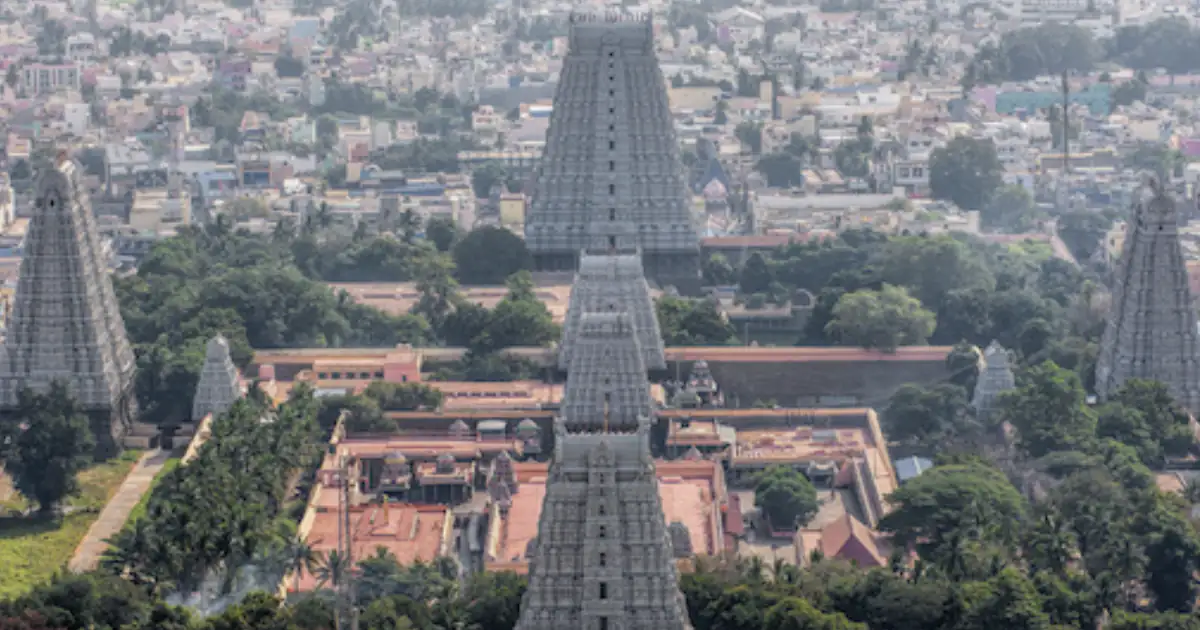
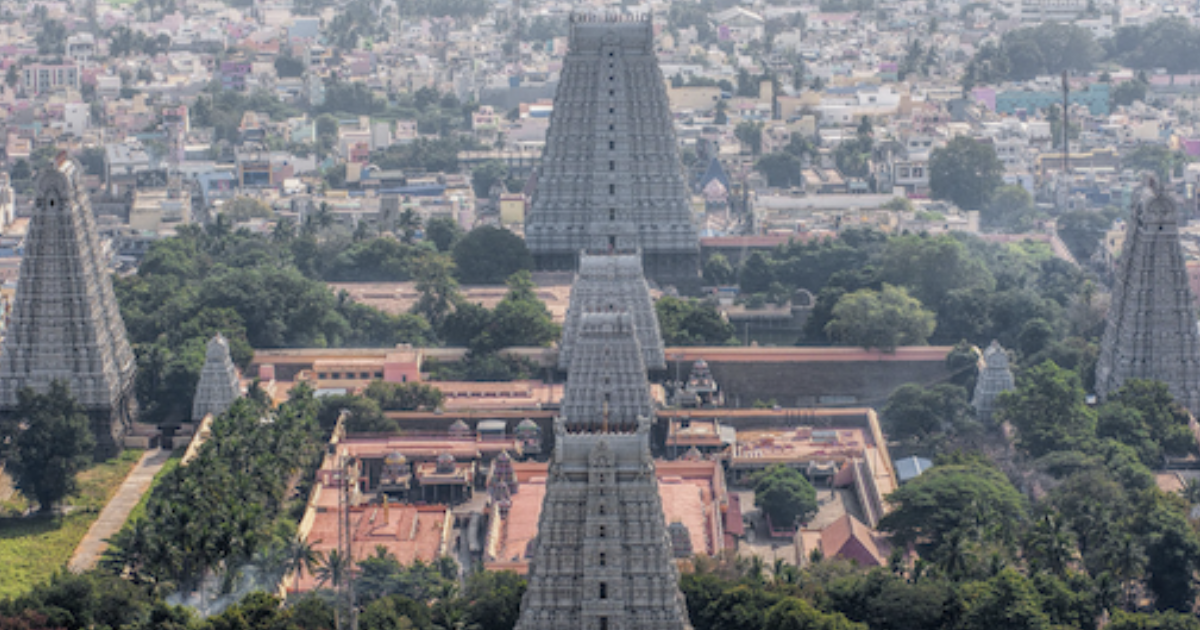
The Arunachaleswarar Temple, also known as the Annamalaiyar Temple, recently came into the news after a man was arrested for allegedly using duplicate keys to take devotees into the temple for worship. The temple is one of the most revered Shaivite temples in India and is renowned for its religious significance, grand Dravidian architecture, and association with the sacred Arunachala Hill.
Temple Security Breach: The Case of Duplicate Keys at Arunachaleswarar Temple
A 38-year-old man was arrested for allegedly using duplicate keys to gain unauthorised access for devotees seeking to worship at the Arunachaleswarar Temple in Tiruvannamalai, Tamil Nadu. The incident has drawn attention to security vulnerabilities and touting practices at one of South India's most visited pilgrimage sites, where long darshan queues have periodically made devotees vulnerable to middlemen offering shortcuts in exchange for money.
The Incident
The accused reportedly exploited access using duplicate keys to bypass regular protocols and escort devotees directly to worship, circumventing the temple's normal queue and security systems. Such incidents are not without precedent at Tiruvannamalai — devotees have separately raised concerns about middlemen collecting payments to facilitate faster darshan for outstation pilgrims, forcing ordinary devotees to wait far longer in queues that can otherwise stretch to several hours. Persistent complaints of this kind point to gaps in temple administration and enforcement that periodically surface at large, heavily-visited shrines across Tamil Nadu.
About the Temple
The Arunachaleswarar Temple, also known as the Annamalaiyar Temple, is a Hindu temple located at the base of Arunachala Hill in Tiruvannamalai, Tamil Nadu, and is counted among the largest and most ancient temples in India. It is dedicated to Lord Arunachalesvara, a form of Lord Shiva, and holds a distinct place among the Pancha Bhoota Sthalams — the five temples across South India each associated with one of the five natural elements — representing the element of fire, or Agni.
The temple's origins reach back thousands of years, with references appearing in ancient scriptures and Tamil Saiva devotional literature, including the Tevaram composed by the Nayanars in the 7th century CE and the Tiruvempavai by Manikkavacakar in the 9th century CE. The present structure, however, was built during the early Chola period in the 9th century CE, and was subsequently expanded under the later Cholas, the Hoysalas, and the Vijayanagara Nayaka rulers.
Architectural Character
The temple is a striking example of South Indian Dravidian architecture and sculpture, spread across approximately 25 acres, making its complex one of the largest in the country. It features four gopurams, or gateway towers, richly ornamented with intricate carvings and pillar work. The eastern tower, or Rajagopuram, rises to a height of 66 metres across 11 storeys, ranking it among the tallest temple towers in India.
The complex is organised into five precincts, each anchored by a large Nandi — the sacred bull associated with Shiva — and several towers of its own. Among its many halls, the most celebrated is the thousand-pillared hall, constructed during the Vijayanagara period, which remains one of the temple's defining architectural features.
Why Such Incidents Matter
Large temple complexes like Arunachaleswarar draw enormous devotee footfall, particularly during festivals such as Karthigai Deepam, creating exactly the kind of high-volume, high-pressure environment in which touting, bribery, and security breaches tend to surface. Unauthorised access using duplicate keys represents a more serious lapse than routine queue-jumping, since it points to a failure in the temple's physical security systems rather than merely administrative negligence. For institutions entrusted with safeguarding both religious sanctity and public safety, such breaches erode the trust ordinary devotees place in orderly and equitable access to worship.
Way Forward
Strengthening access control — including tighter custody of temple keys, better surveillance of entry points, and swifter departmental action on complaints of middlemen activity — would help close the gaps that incidents like this expose. Temple administrations, typically overseen by state Hindu Religious and Charitable Endowments departments, would need to pair physical security upgrades with stronger grievance-redressal mechanisms so that genuine devotees are not disadvantaged by those willing to pay for illegitimate shortcuts.
Conclusion
The arrest at Arunachaleswarar Temple is a reminder that even India's oldest and most revered shrines are not immune to lapses in security and administrative oversight, particularly where devotee volumes are high and monitoring resources are stretched thin. Addressing such vulnerabilities requires sustained institutional vigilance rather than reactive policing, ensuring that the sanctity and equitable accessibility devotees expect from these ancient centres of worship are consistently upheld.