Undavalli Caves: Ancient Rock-Cut Architectural Marvel of Andhra Pradesh
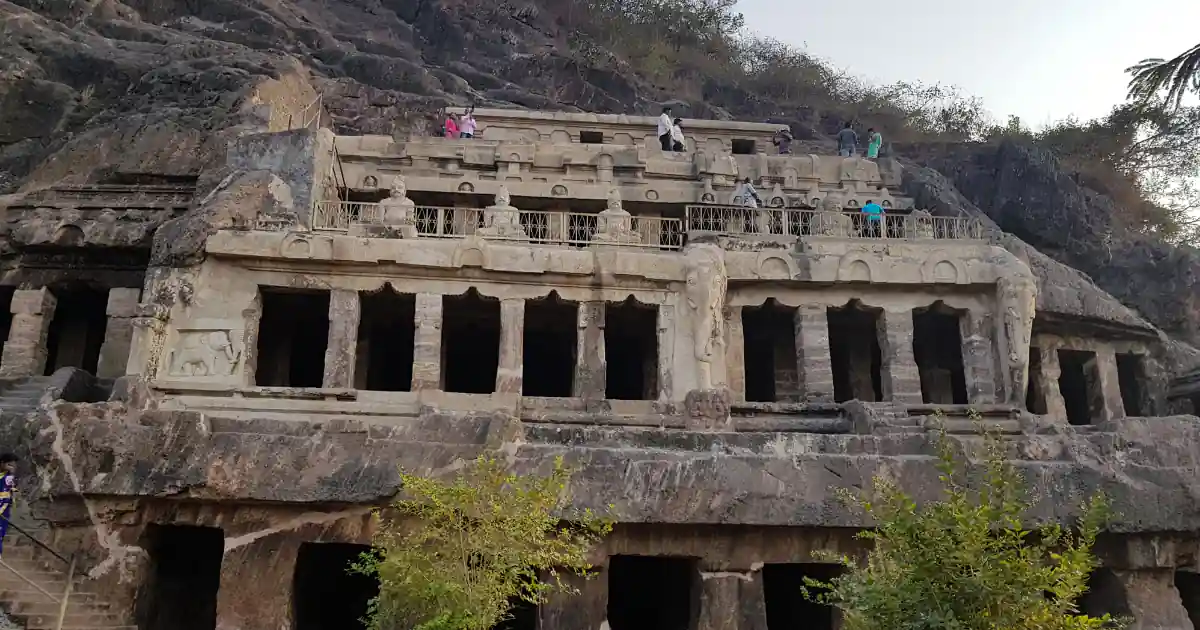
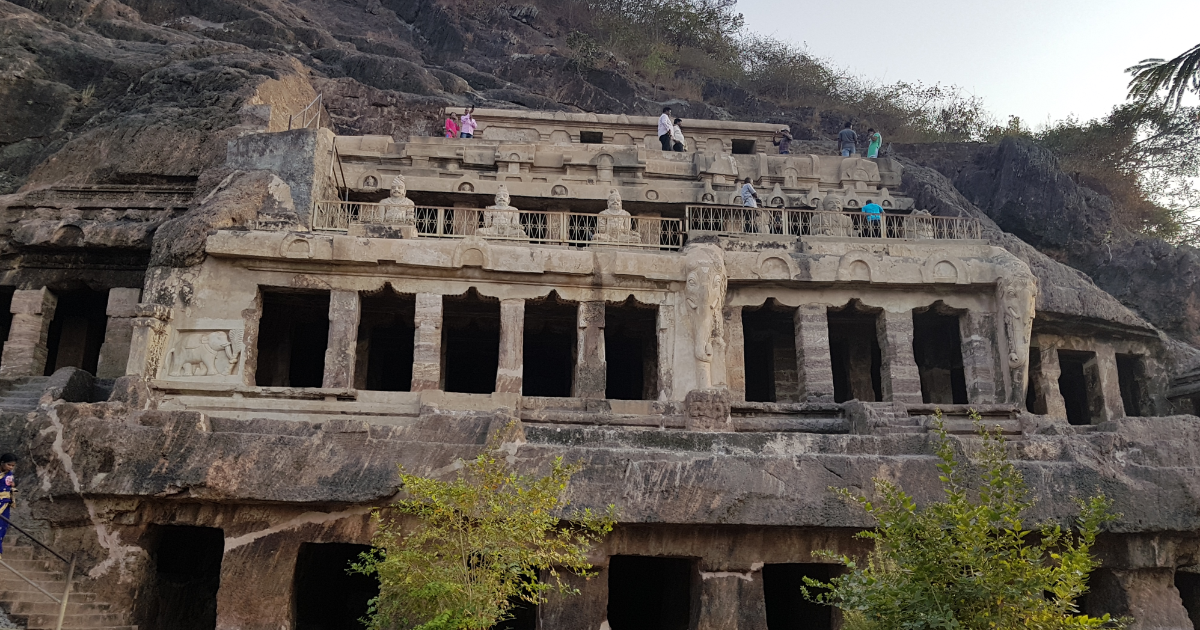
The Telugu Mahotsavam, organized by the Andhra Pradesh State Creativity and Culture Society, recently commenced at the historic Undavalli Caves in Guntur district, Andhra Pradesh. The Undavalli Caves are among the finest examples of India's ancient rock-cut architecture, reflecting the rich cultural and religious heritage of Buddhism, Jainism, and Hinduism.
Telugu Mahotsavam at Undavalli Caves: Celebrating Language Amid a Living Monument of Rock-Cut Architecture
A two-day Telugu Mahotsavam, organised by the Andhra Pradesh State Creativity and Culture Society, opened with grandeur at the historic Undavalli Caves in Guntur district, bringing the celebration of the Telugu language and its literary heritage to one of the state's most storied archaeological sites. The festival, aimed at promoting the Telugu language and preserving its cultural heritage, began under the aegis of the Society and opened with the "Suryodaya Suprabhatam" programme, in which students of the Ghantasala Venkateswara Rao Government College of Music and Dance welcomed the sunrise atop the ancient caves with Telugu devotional and literary compositions.
"Poets and writers from across the state recited works on the Telugu language and the heritage of the Undavalli Caves during the Chettu Needana Chirugaali Kavithva Gaanam session."
The inaugural session drew the NTR district collector, a former Zilla Parishad chairperson, the APMSIDC chairman, ghazal singer Ghazal Srinivas, and the Telugu Sahitya and Samskruti Academy chairman, who lit the ceremonial lamp, while the Society's own chairperson presented certificates of appreciation to participating writers. A retired All India Radio director also narrated Panchatantra tales to children as part of the programme, tying the festival's contemporary literary showcase to the deep well of Telugu storytelling tradition that the venue itself embodies.
Undavalli Caves: Architecture Carved into a Living Hillside
The choice of venue is significant, since the Undavalli Caves rank among the finest surviving examples of ancient rock-cut architecture in India. Located in Undavalli village of Guntur district, on a hill overlooking the Krishna River, the caves were carved directly out of a solid sandstone hillside rather than built up in the conventional sense, placing them in the same monolithic tradition as Ajanta, Ellora, and Elephanta, though scholarly opinion places their construction anywhere between the 4th and 7th centuries CE, with the Vishnukundina dynasty, which ruled the region between roughly 420 and 620 CE, most commonly credited with their patronage.
"The site possibly originated as Buddhist viharas before being adapted into Shaiva and Vaishnava shrines, blending Buddhist, Jain, and Hindu architectural elements."
The complex rises across four principal storeys, though some sources describe a fifth partial level, making it one of India's grandest rock-cut cave clusters. Its best-known and largest feature is a colossal statue of Lord Vishnu in a reclining posture, carved from a single block of granite and housed on the second floor, while other shrines within the complex are dedicated to the Trimurti of Brahma, Vishnu, and Shiva. The facade of the third floor carries extensive sculptural work, including depictions of lions and elephants, and the ground floor still retains the character of a Buddhist vihara, complete with surviving Buddhist sculptures that point to the site's earliest monastic phase.
A Palimpsest of Faiths
What makes Undavalli particularly valuable to historians and archaeologists is precisely this layered religious history. The caves are believed to have begun as a Buddhist and Jain monastic complex, offering rest houses for wandering monks, before later being converted into Hindu temples as devotional traditions in the region shifted. This transformation, rather than being erased, was preserved in stone: the vihara-style cells of the lower floor sit alongside the later Vaishnava and Shaiva shrines of the upper storeys, making the monument a rare physical record of India's shifting religious landscape across the first millennium CE. The site today stands as a centrally protected Monument of National Importance, reflecting its recognised value to the country's archaeological heritage.
Significance and the Way Forward
The staging of a state-backed language festival at Undavalli Caves carries significance beyond a single cultural event. It reflects a deliberate effort by the Andhra Pradesh government to anchor contemporary celebrations of the Telugu language in tangible historical heritage, using heritage tourism as a vehicle for cultural continuity and public engagement with the state's past. For a monument that already draws visitors for its architecture, hosting literary and musical programming atop the caves also signals a template for heritage-linked cultural diplomacy that other states could replicate at their own rock-cut or monumental sites.
Going forward, the challenge will lie in balancing increased footfall and public programming at a fragile sandstone monument with the imperatives of conservation. Sandstone caves of this antiquity are especially vulnerable to weathering, vibration, and human contact, and any expansion of Undavalli's role as a cultural venue should be accompanied by close coordination between the Archaeological Survey of India, the state's tourism and culture departments, and heritage conservation experts, so that the site's role as a living venue for Telugu culture does not come at the cost of its physical preservation.
Conclusion
The Telugu Mahotsavam at Undavalli Caves brought together the celebration of a living linguistic tradition and the silent testimony of a monument that has itself absorbed and reflected centuries of religious and cultural change. From its Buddhist monastic origins to its Vishnukundina-era Hindu transformation, Undavalli stands as a microcosm of the syncretism that has long characterised the Krishna valley, and its use as a stage for contemporary Telugu literature and music underscores how Andhra Pradesh continues to draw on its deep architectural heritage to anchor present-day cultural identity.