Bihar–Jharkhand Agreement on Sone River Water Sharing: Key Facts About the River
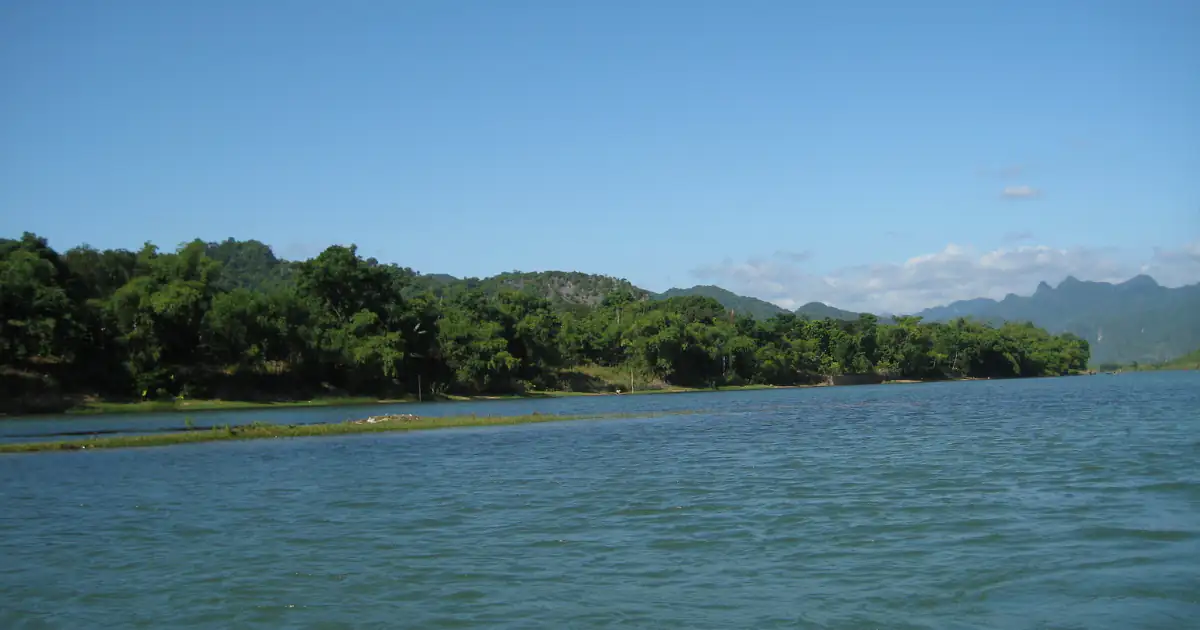
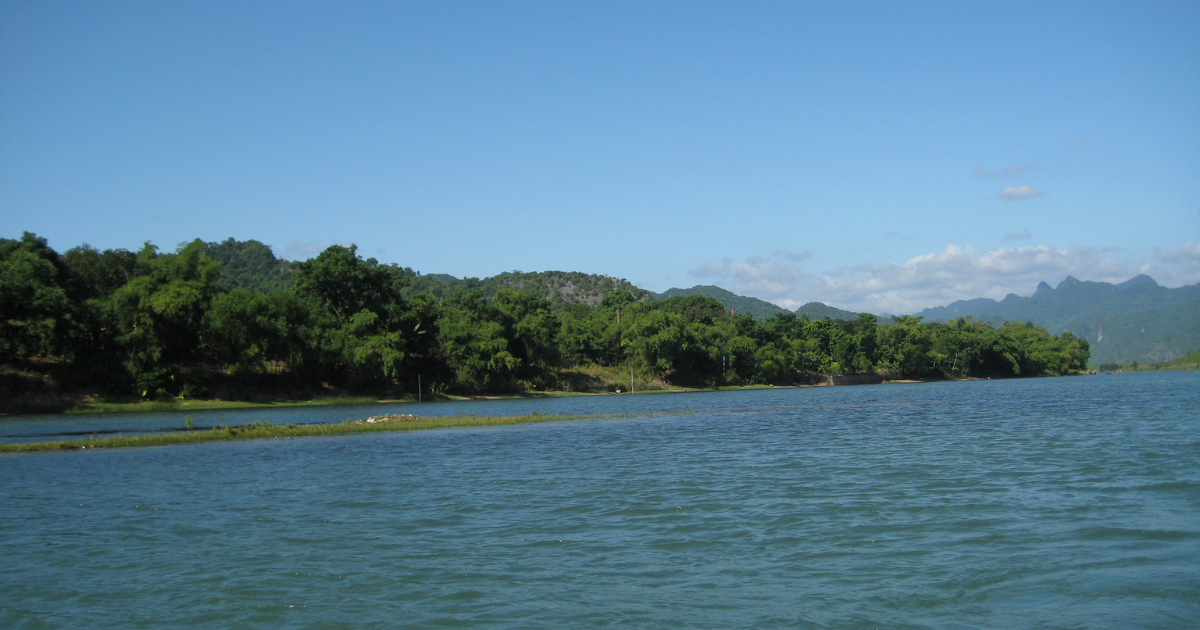
The Sone River (Son River) is one of the most important rivers of northern and central India and is the second-largest southern tributary of the Ganga after the Yamuna. Recently, it came into focus as Bihar and Jharkhand decided to formalise an agreement on the sharing of Sone River waters, highlighting its significance for irrigation, drinking water, and interstate water management.
Bihar-Jharkhand Sone River Water-Sharing Agreement: Ending a Quarter-Century Dispute
Bihar and Jharkhand are set to formally sign an agreement resolving a dispute over the sharing of Sone river waters that has persisted for nearly twenty-five years since Jharkhand's carving out of Bihar in November 2000. The agreement will divide the erstwhile undivided Bihar's share of Sone River waters under the 1973 Bansagar Agreement, with 5.75 million acre-feet going to Bihar and 2 million acre-feet to Jharkhand out of the total 7.75 million acre-feet originally allocated.
"The formula was unanimously recommended by a committee constituted by the Centre and comprising representatives of both state governments."
The breakthrough emerged from a meeting of the Eastern Zonal Council chaired by Union Home Minister Amit Shah in Ranchi on 10 July 2025, where representatives of both states reached consensus. Both state cabinets have since cleared the draft agreement issued by the Central Water Commission, and the Union Ministry of Jal Shakti is now finalising the date, time, and venue for the signing ceremony, expected in the presence of the union Jal Shakti minister and the chief ministers of both states. Significantly, this resolution clears the way for the long-delayed Indrapuri reservoir, to be built between Kadwan in Jharkhand's Garhwa district and Matiwan in Bihar's Rohtas district, a project expected to strengthen irrigation across eight Bihar districts including Bhojpur, Buxar, Rohtas, Kaimur, Aurangabad, Patna, Gaya, and Arwal.
The Sone River: India's Second-Largest Southern Tributary
The river at the heart of this settlement occupies an important place in the Ganga system. The Sone, also known as Son, is the principal southern tributary of the Ganga after the Yamuna, and it flows through Madhya Pradesh, Uttar Pradesh, Jharkhand, and Bihar across a course commonly measured at around 780 kilometres, of which roughly 500 kilometres lies within Madhya Pradesh alone.
"The Sone is a perennial river originating from the Amarkantak hills, and it eventually joins the Ganga at Koilwar near Patna."
The river originates in the Amarkantak hills of the Maikal Range in Madhya Pradesh and initially flows in a north-northwest direction until it reaches the Bansagar reservoir, after which its course bends sharply eastward. From this point, it runs roughly parallel to the Kaimur Range before finally merging with the Ganga about 30 kilometres upstream of Patna in Bihar.
Basin Geography and Tributary Network
The Sone's drainage basin carries distinct geological character. The valley of the Sone is regarded as almost a geological continuation of the Narmada valley to the southwest, an association that reflects the shared rift-related origins of the two river systems in central India. The valley itself is bordered by the Kaimur Range to the north and the Chota Nagpur plateau to the south, a configuration that has shaped both its drainage pattern and its long-standing significance to irrigation planning in the eastern Gangetic plain.
"The major tributaries of the Sone include the Banas, Gopad, Rihand, Kanhar, and North Koel rivers."
This network of tributaries, combined with major infrastructure such as the Bansagar Dam in Madhya Pradesh, the Rihand Dam in Uttar Pradesh, and the Indrapuri Barrage in Bihar, has historically made the Sone central to water management across four states, a role that the 1973 Bansagar Agreement between Madhya Pradesh, Uttar Pradesh, and the then-undivided Bihar was designed to govern.
Significance and the Way Forward
The resolution of this dispute carries significance well beyond the two states directly involved. It represents a rare instance of a long-pending interstate water dispute being settled through cooperative federalism, using the Eastern Zonal Council, a constitutional mechanism under Article 263, rather than protracted litigation or tribunal proceedings. This precedent-setting approach could serve as a template for resolving other lingering river-water disputes across India's federal structure, most immediately the ongoing Mahanadi water-sharing issue between Odisha and Chhattisgarh, which the Centre is reportedly expected to take up next.
For Bihar specifically, the settlement unlocks tangible infrastructure gains, chiefly the construction of the Indrapuri reservoir, which had remained stalled for years pending this water-sharing clarity. The way forward will require careful coordination between the two states and the Central Water Commission to ensure the allocated shares are honoured through changing rainfall and reservoir conditions, alongside timely execution of the reservoir and canal projects that depend on this agreement, so that farmers across the Sone basin's command areas see the irrigation benefits translate from paper commitments into ground realities.
Conclusion
The impending signing of the Bihar-Jharkhand Sone water-sharing agreement closes a dispute that has spanned nearly the entire life of Jharkhand as a separate state, and in doing so, it revives stalled irrigation infrastructure that will benefit millions of farmers across Bihar's Sone basin districts. As one of the Ganga's most significant southern tributaries, the Sone's waters will now flow under a settled allocation formula, offering a model of how India's states can resolve shared-resource disputes through dialogue and constitutional mechanisms rather than confrontation.