Caridina sharmai: New Freshwater Shrimp Species Discovered in Gomti River
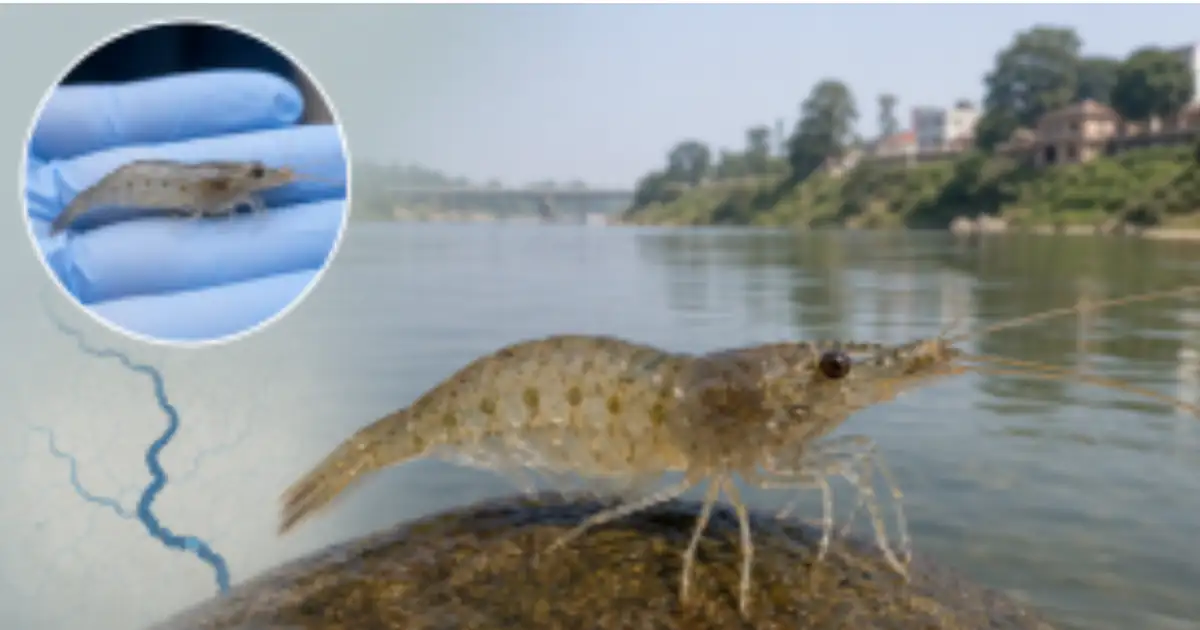
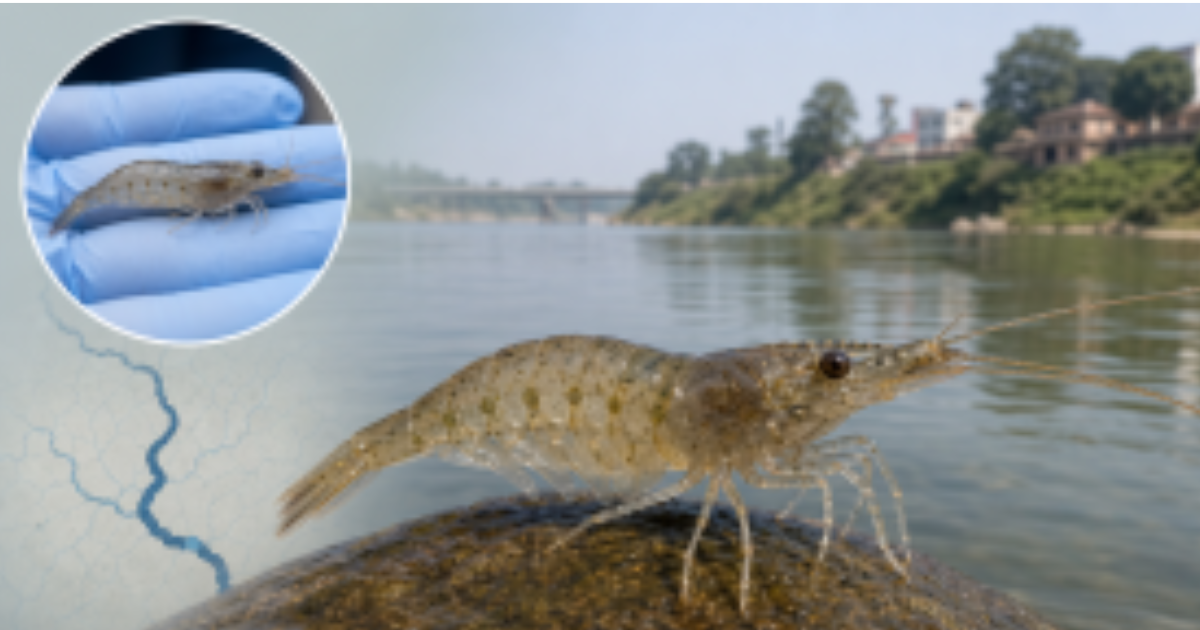
Researchers recently discovered Caridina sharmai, a new species of freshwater shrimp, in the upper reaches of the Gomti River near Lucknow, Uttar Pradesh. This marks the first recorded occurrence of the genus Caridina in the Lucknow region, highlighting the rich but underexplored freshwater biodiversity of the Gangetic river system.
I wasn't able to find independent verification of this specific discovery in search results—it appears to be a very recent, niche finding not yet indexed by major outlets. I've written the note based on the details you provided, without adding any unverified specifics.
Caridina sharmai: A New Freshwater Shrimp Species Discovered in the Gomti River
The Trigger Event
Researchers have identified a new species of freshwater shrimp, named Caridina sharmai, living in the Gomti River, marking the first time this type of crustacean has been recorded in the Lucknow region. The discovery was made in the upper reaches of the Gomti, a tributary of the Ganges flowing through Uttar Pradesh, adding a previously undocumented species to the known freshwater biodiversity of the region.
"The shrimp is distinguished from its closest relatives by several unique physical characteristics that set it apart within its genus."
The species was found to be closely related to, yet morphologically distinct from, two other known Caridina species, Caridina jalihali and Caridina mathiassi, with researchers relying on detailed physical comparisons to establish it as new to science.
Distinguishing Physical Characteristics
The most striking diagnostic feature of Caridina sharmai is its short, knife-shaped rostrum, the beak-like extension projecting from the front of its head, which carries 15 to 22 teeth along its upper edge and 4 to 9 teeth along the underside. The shrimp itself is relatively small, ranging between 15 and 24 millimetres in length.
"Unlike many of its cousins, this new shrimp lacks a median spine on its tail, the telson, and possesses a deep, distinctive hollow on the joints of its front legs."
This combination of an unarmed telson and the excavated leg-joint structure appears to be a key feature separating Caridina sharmai from its closer relatives. Its front legs are further equipped with long, brush-like hairs, specialised structures the shrimp uses to scrape algae from aquatic plants and filter fine food particles suspended in the water column, a feeding adaptation typical of many Atyidae shrimp but expressed here in a form specific to the new species.
Coloration and Behaviour
In the wild, Caridina sharmai displays a dark brown or black body marked with yellowish-grey stripes, a colour pattern that allows it to blend effectively into the shadows cast along the riverbed, offering camouflage from predators in its natural habitat.
"When kept in aquariums, the shrimp's colour gradually fades until the creature becomes almost entirely transparent."
This observed shift from a camouflaged wild coloration to near-total transparency in captivity is a notable behavioural and physiological detail recorded by the researchers, and it may reflect a stress or environment-linked pigmentation response, though the precise mechanism was not detailed. Socially, the species is described as calm and group-oriented, preferring to live in clusters while clinging to underwater vegetation rather than existing as solitary individuals, a trait that may aid in both feeding efficiency and predator avoidance.
Significance and the Way Forward
The discovery of a new shrimp species in the Gomti River carries meaningful implications for freshwater biodiversity documentation in northern India. As a first record of this genus in the Lucknow region, it suggests that the river's upper reaches may harbour a richer and less-studied invertebrate fauna than previously assumed, particularly given the Gomti's status as a heavily used and ecologically stressed urban river system. Documenting such species also strengthens the taxonomic baseline needed for any future conservation assessment, since a species cannot be protected, or its population trends tracked, until it has been formally described and named.
The way forward will likely involve further field surveys along the Gomti and its tributaries to establish the species' full distribution range and population status, alongside genetic and ecological studies to understand its habitat requirements and vulnerability to pollution, given the significant anthropogenic pressures the Gomti already faces from urban discharge and reduced flow. Continued taxonomic work of this kind also underscores the broader value of small-scale faunal surveys in revealing biodiversity that larger conservation efforts might otherwise overlook.
Conclusion
The identification of Caridina sharmai in the Gomti River adds a new and distinctive freshwater shrimp to India's crustacean fauna, while also serving as a reminder that even heavily urbanised, well-studied rivers can still yield previously unknown species. Its discovery reinforces the ongoing importance of dedicated biodiversity surveys in documenting and safeguarding India's freshwater ecosystems.