Gobind Sagar Lake: Himachal Pradesh’s First Island Tourism Project Takes Shape
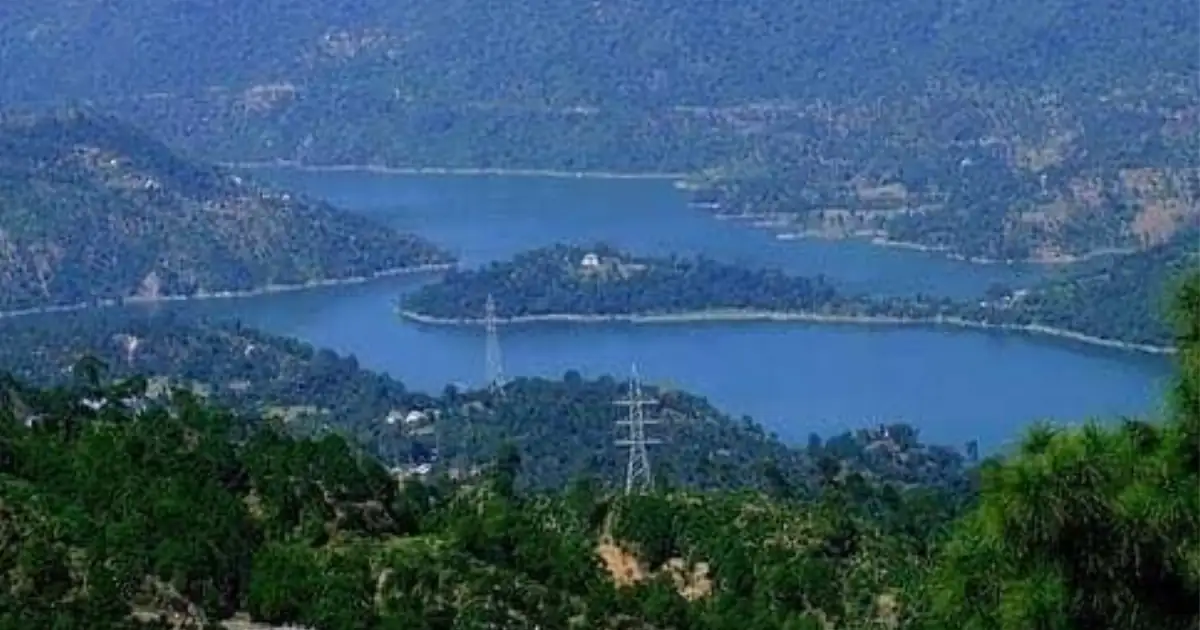
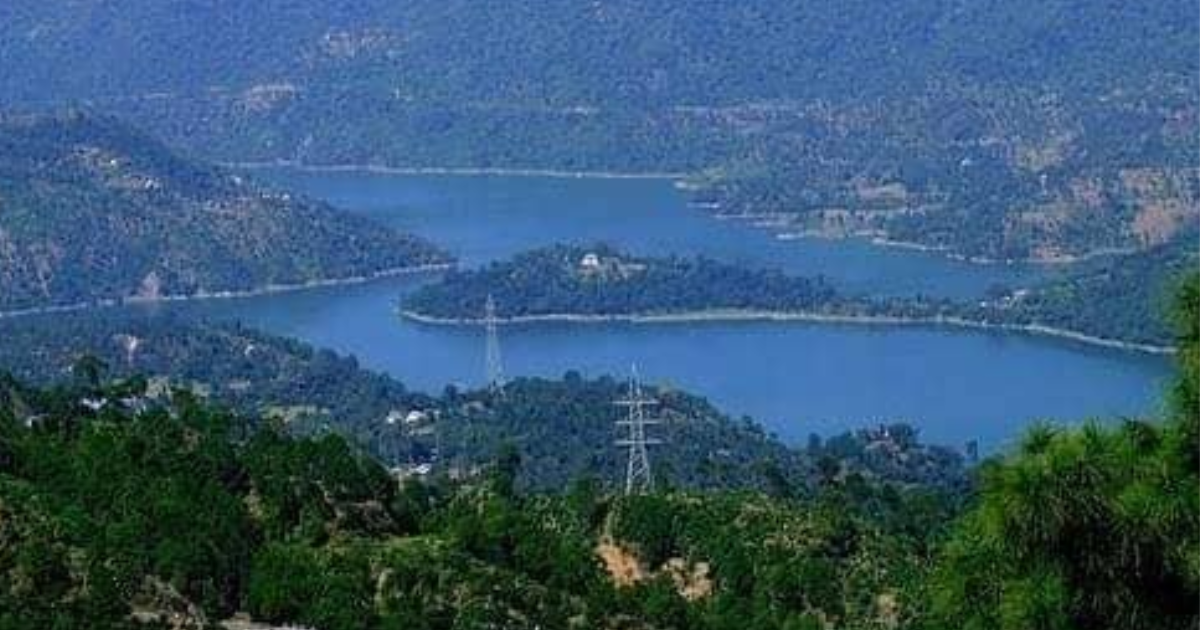
Recently, Himachal Pradesh announced its first-ever island tourism project at Gobind Sagar Lake in Bilaspur district, aimed at promoting eco-tourism and adventure tourism while boosting the local economy.
Himachal Pradesh's First Island Tourism Project
Himachal Pradesh is set to diversify its tourism sector with its first-ever island tourism project at Gobind Sagar Lake in Bilaspur district. The project will become operational at Jeori Pattan in the lake near Bilaspur, as announced by the Deputy Commissioner while chairing a review meeting of the Society for Tourism, Sports, Trade and Employment Generation in Bilaspur.
About Gobind Sagar Lake
It is a manmade reservoir located in the Bilaspur district of Himachal Pradesh.
The lake's name was given by the former Chairman of the Punjab State Electricity Board, Sardar Harbans Singh Somal, in honor of the tenth Sikh Guru, Guru Gobind Singh Ji.
It was created by the construction of the Bhakra Dam on the Sutlej River during the 1950s and 1960s.
The Bhakra Dam, one of the world's highest gravity dams, stands at an elevation of 225.5 m above its lowest foundations.
The reservoir stretches about 90 km in length and covers an area of approximately 170 sq. km, making it one of the deepest man-made lakes in the world.
It is the third-largest reservoir in the country in terms of water storage capacity.
The lake is flanked by lush green hills and the snow-capped peaks of the Himalayas, adding to its scenic appeal.
The Beas-Sutlej Link, completed in 1976, channels water from the Beas River into Gobind Sagar to maintain reservoir levels, supporting irrigation across Himachal Pradesh, Punjab, Haryana, and Rajasthan.
Beyond irrigation, the lake also serves as a major source of hydroelectric power for the Himachal Pradesh State Electricity Board.
Flora and Fauna
Gobind Sagar was declared a waterfowl refuge in 1962.
The lake remains home to a variety of wildlife, including panther, wolf, chausinga, sambar, hyena, sloth bear, nilgai, chinkara, and wild boar.
The reservoir hosts around fifty-one fish species and sub-species, including Tor Putitora (Mahasheer), Labeo Dero, Mystus Seenghala, and mirror carp, supporting a thriving local fishing economy.
The Island Tourism Project
The initiative aims to transform the scenic islands of Gobind Sagar Lake into eco-friendly, adventure-filled destinations, offering visitors a unique travel experience amidst the hills.
The district administration has identified four islands in the lake for development, marking a significant step in diversifying Himachal's tourism offerings beyond its usual hill stations and trekking trails.
The major islands being developed — Jeori Pattan, Dhararsani, and Bholu — are planned on the lines of the Andaman and Nicobar Islands.
The tender process for developing three of these islands has already been completed, with two firms emerging as the highest bidders and securing development rights, while the fourth island is expected to be put up for bidding to complete the phase-one blueprint.
The project envisages developing these naturally formed islands into world-class tourist destinations, offering nature-based accommodation along with traditional cuisine that lets visitors experience the culinary heritage of the erstwhile Kehloor estate.
The identified island near Jeoripattan has widths ranging from two to five km, is surrounded by thick forests, and remains above water level for approximately nine months each year.
Planned attractions include water sports, aero sports, camping, fishing, and adventure and cultural activities, drawing inspiration from island destinations like the Andaman and Nicobar Islands.
As part of preparatory efforts, the district administration has already conducted trial runs of a small cruise ship and a traditional 'shikara' boat on the lake, along with water-landing training for paragliders.
Significance
By diversifying beyond traditional hill stations and trekking routes, the project is expected to attract both domestic and international tourists seeking a blend of nature, adventure, and culture, while boosting the local economy through job creation and improved regional connectivity.
Officials have described it as the first project of its kind in Himachal Pradesh, expected to add a new dimension to the state's tourism sector.
Conclusion
The island tourism project at Gobind Sagar Lake marks a pioneering shift in Himachal Pradesh's tourism strategy, moving beyond its traditional identity as a hill-station destination toward a more diversified, water-based tourism model inspired by island destinations like the Andaman and Nicobar Islands. By combining eco-tourism, adventure sports, and cultural heritage on the naturally formed islands of Jeori Pattan, Dhararsani, and Bholu, Bilaspur is positioning itself as a new hub for offbeat travel experiences in North India. If executed effectively, the project holds strong potential to boost local employment, strengthen the regional economy, and set a template for similar reservoir-based tourism initiatives elsewhere in the country.