Microporellus kolhapurensis: New Bracket Fungus Species Discovered in Maharashtra
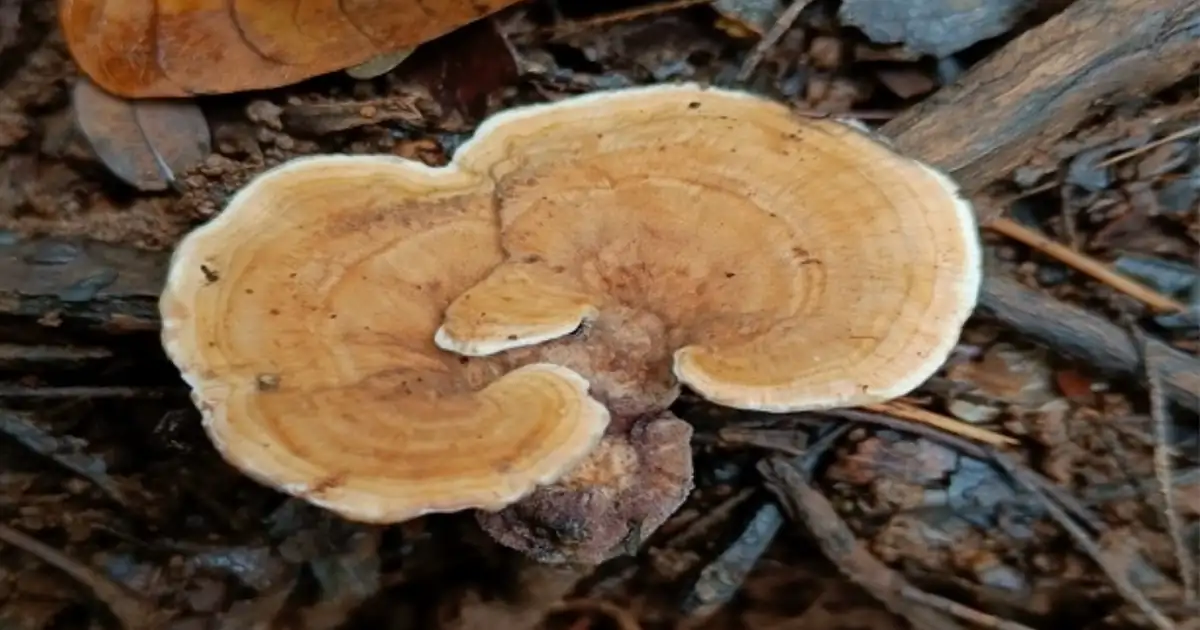
Recently, researchers discovered a new species of polypore (bracket) fungus, Microporellus kolhapurensis, in Bhudargad taluka of Kolhapur district, Maharashtra, adding to India's rich fungal biodiversity.
Microporellus kolhapurensis: A New Bracket Fungus Species from Maharashtra's Western Ghats
A new fungus species of polypore, or bracket fungus, named Microporellus kolhapurensis, was discovered in Bhudargad taluka in Kolhapur district, Maharashtra, on 27 July 2026, adding a new entry to the genus Microporellus and to India's documented fungal biodiversity. The species was found growing on rotting wood, a substrate typical of many wood-decay fungi within the Polyporaceae family to which the genus belongs.
Ecology and Growth Pattern
This particular Microporellus species displays a distinct seasonal fruiting pattern, producing its fruiting bodies from July to September, coinciding with Maharashtra's monsoon and immediate post-monsoon period, a timing common among many tropical wood-decaying fungi that depend on moisture-rich conditions to fruit. It mainly grows singly rather than in dense clusters, distinguishing its growth habit from some related polypore species that tend to fruit gregariously on their substrate.
Distinguishing Morphological Features
Microporellus kolhapurensis is characterised by a yellowish-orange to grayish-brown colouration, and it is distinguished from other closely related species within its genus by a specific combination of morphological traits. It possesses an umbrella-shaped structure supported by a lateral stalk, and unlike many wood-inhabiting polypores that grow directly on standing or fallen timber, it displays a ground-growing nature, a trait shared with a small number of other Microporellus species documented globally, such as those found growing from soil near buried roots or dead stumps in other parts of the world.
The species is further distinguished by its large pores on the underside of the fruiting body, teardrop-shaped spores, an unusual spore morphology that sets it apart from the more commonly ellipsoid spores seen in related taxa, and distinctive thick-walled cystidia, specialised large cells found on the spore-bearing surface of certain fungi that do not themselves produce spores but are believed to play structural or protective roles within the fungal fruiting body. This combination of features, taken together, forms the diagnostic basis distinguishing it from its closest relatives within the genus.
Understanding Polypores: Nature's Wood Decomposers
The broader group to which this new species belongs, polypores, are also known as bracket or shelf fungi, named for the pores present on the underside of their fruiting bodies. These pores serve a specific reproductive function: they house the fungus's spores, microscopic reproductive particles analogous to seeds in plants, and their structure exists specifically to increase the surface area available for spore attachment and eventual release. While the appearance of these pores varies across different polypore species, they are generally circular in shape and regularly spaced across the fruiting body's underside.
Polypores earn their alternate name, bracket fungi, from their characteristic shelf-like appearance, and they are commonly observed growing on living trees or fallen logs, with some species, like the newly discovered Microporellus kolhapurensis, bearing a short stalk that attaches the fruiting body to its growing substrate. Ecologically, polypores occupy a dual role: they can damage living, healthy trees through wood decay, yet they also perform the vital ecological function of breaking down dead wood, recycling nutrients back into forest ecosystems. Much of a polypore's biological activity occurs unseen, since its mycelium, the fungus's vegetative network of thread-like structures, remains embedded within the trunk or wood of its host, with only the fruiting body emerging visibly to the outside world.
Significance and the Way Forward
The discovery of Microporellus kolhapurensis adds to the growing body of documented fungal diversity from the Western Ghats region, a globally recognised biodiversity hotspot whose fungal taxa remain comparatively understudied relative to its flora and vertebrate fauna. Each new polypore species formally described strengthens the taxonomic and ecological baseline needed to understand wood-decay processes and nutrient cycling within these forest ecosystems, and it underscores that even well-surveyed regions like Kolhapur district, already known for documented endemic species across multiple taxonomic groups, continue to yield previously unrecorded fungal life.
Going forward, further fieldwork across the broader Western Ghats landscape may help establish whether Microporellus kolhapurensis is genuinely endemic to this specific locality or occurs more widely across similar habitats in the region. Continued taxonomic and molecular phylogenetic study, following the approach used to formally describe related Microporellus species elsewhere in the world, would also help clarify this species' precise evolutionary relationships within its genus and inform any future assessment of its conservation status.
Conclusion
The description of Microporellus kolhapurensis from the forests of Bhudargad taluka highlights the continuing value of dedicated mycological surveys in revealing new fungal diversity, even in a well-documented biodiversity region like Kolhapur district. As a distinctive addition to the polypore family, this new species reinforces the broader ecological importance of bracket fungi as both decomposers and, at times, pathogens within forest ecosystems, while adding another thread to the rich and still incompletely catalogued fungal tapestry of the Western Ghats.