Museum Grant Scheme: Strengthening Museums Through Modernisation, Digitisation and Capacity Building
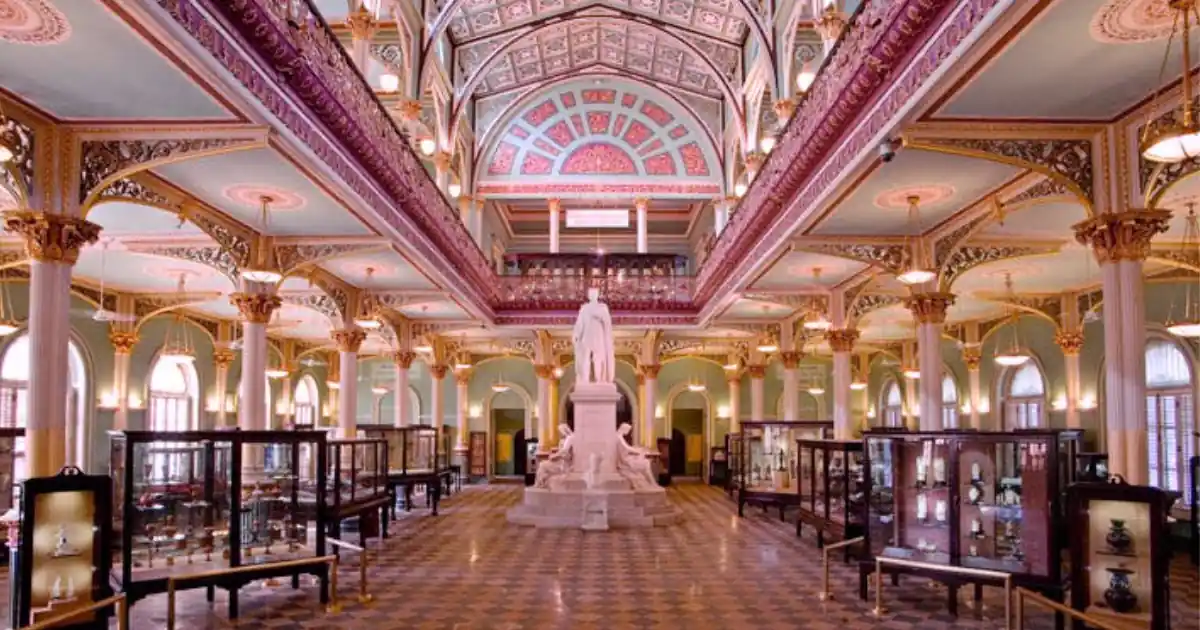
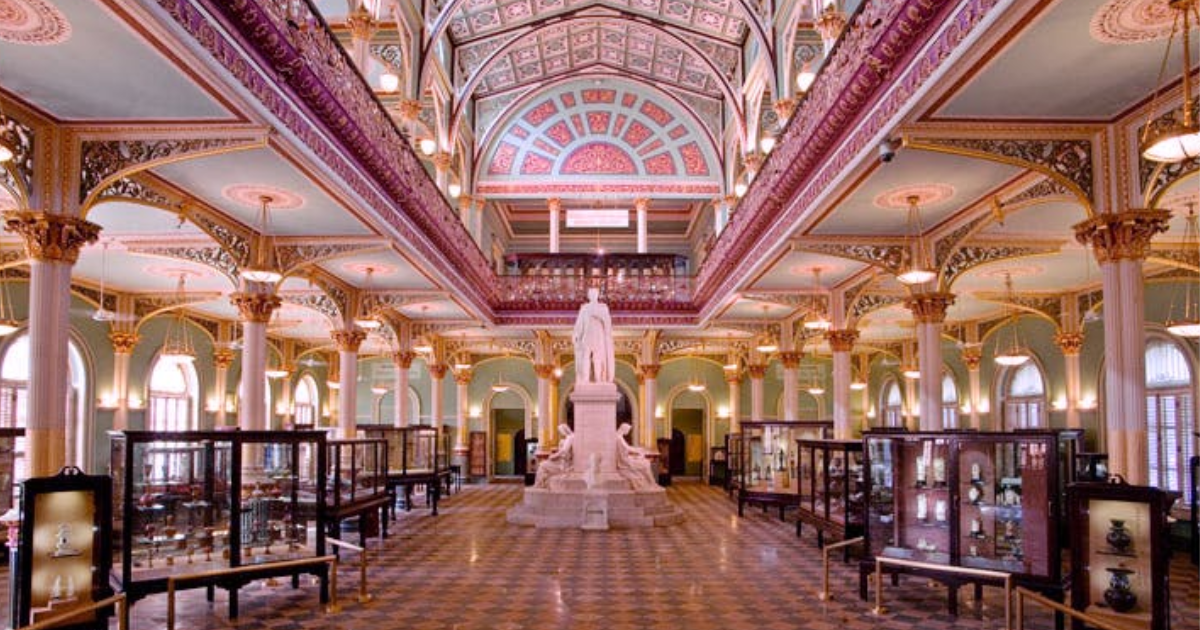
Recently, the Union Minister for Culture and Tourism informed the Lok Sabha that the Ministry of Culture is implementing the Museum Grant Scheme to strengthen museum infrastructure, preserve cultural heritage, and promote digital access to museum collections across India.
Museum Grant Scheme: Building and Modernising India's Museum Ecosystem
The Union Minister for Culture and Tourism, Gajendra Singh Shekhawat, recently informed the Lok Sabha in a written reply that the Ministry of Culture is executing the Museum Grant Scheme to provide financial assistance for the establishment of new museums, development of existing museums, digitisation of collections, creation of virtual museums, and capacity building of museum professionals.
"Museums are classified into three categories under the scheme, with separate funding norms based on their ownership and status."
The Minister said the Ministry of Culture may undertake Category I and Category II museum projects as projects of national importance, and added that the scheme also supports online virtual museums, theme-based museums, and virtual experiential museums aimed at preserving and showcasing India's cultural heritage. In a related parliamentary disclosure the same week, the Ministry confirmed that the Chandigarh Government Museum and Art Gallery, a Grade-I heritage structure designed by Le Corbusier, had submitted a Detailed Project Report for upgrade under the scheme, estimated at Rs 30.33 crore, addressing issues including roof leakages, ageing climate control systems, and the need for modernised conservation infrastructure, illustrating how the scheme functions in practice for individual museum projects. The Minister also informed the House that the Ministry of Tourism separately promotes museums as tourism destinations through domestic and international campaigns, participation in travel exhibitions, social media outreach, and collaborations with State governments and Indian missions abroad.
Origins and Core Objectives
The Museum Grant Scheme is a Central Sector Scheme of the Ministry of Culture, launched in 2013 to provide financial assistance for setting up new museums and strengthening existing ones at the regional, state, and district levels. Beyond physical infrastructure development, the scheme places significant emphasis on the digital dimension of museum management, promoting digitisation of museum collections to make images and catalogues accessible online, alongside dedicated focus on capacity building for museum professionals across the country.
"The Ministry of Culture is implementing the Museum Grant Scheme to provide financial assistance for the establishment of new museums, development of existing museums, digitisation of collections, creation of virtual museums and capacity building of museum professionals."
A notable structural target embedded within the scheme is its aim to develop at least one Central or State Government Museum located in each State Capital every year, reflecting a deliberate strategy to ensure every state has access to a flagship, well-resourced museum institution reflecting its regional cultural heritage.
Who Can Apply: Eligible Institutions
The scheme extends financial support to a wide array of institutional stakeholders, reflecting the diverse ownership structures under which India's museums operate. Eligible applicants include Central and State Governments, Public Sector Undertakings, Societies, Autonomous Bodies, Local Bodies, Academic Institutions, and Trusts registered under the Societies Act, subject to prescribed eligibility conditions specific to each category.
A Three-Tier Categorisation Structure
Museums applying under the scheme are grouped into three distinct categories, each with its own funding norms based on ownership and institutional status. Category I comprises existing renowned museums of the Central or State Governments located in state capitals, representing the scheme's flagship institutional tier. Category II covers Central or State Government-owned museums, including those operated by Public Sector Undertakings, while Category III encompasses projects run by Societies, Autonomous Bodies, Local Bodies, Public Sector Undertakings, Academic Institutions, and Trusts registered as a society under the Indian Societies Act of 1860 or equivalent state legislation, or as a Public Trust under applicable law.
"The scheme provides financial assistance of up to Rs 15 crore for Category I museums, up to Rs 10 crore for setting up new Category II museums, and up to Rs 8 crore for the development of existing Category II museums."
For Category III institutions, funding of up to Rs 5 crore is available for establishing new museums, and up to Rs 4 crore for improving existing ones, a graduated funding structure that reflects the scheme's attempt to calibrate support according to institutional scale and public significance. Beyond core infrastructure funding, dedicated financial assistance is also available specifically for digitisation of museum collections and for training museum professionals, with Category I museums eligible for up to Rs 50 lakh and Category II museums up to Rs 25 lakh for these specialised purposes.
Significance and the Way Forward
The Museum Grant Scheme's significance lies in its role as one of the principal financing instruments through which India's diverse network of museums, spanning national institutions, state-level galleries, academic collections, and locally run trusts, can access central government support for infrastructure modernisation and digital transformation. By explicitly incorporating digitisation and virtual museum creation alongside physical development, the scheme also positions India's museum sector to reach wider domestic and international audiences beyond those who can physically visit these institutions.
The Chandigarh museum case illustrates both the scheme's practical value and a persistent challenge: the museum in question had received no central financial assistance in the preceding five years despite documented deterioration, suggesting that timely application processing and adequate awareness among eligible state and local institutions remain important areas for improvement. Going forward, ensuring more consistent utilisation of the scheme across states, alongside sustained emphasis on digitisation to keep pace with evolving visitor expectations, will likely determine how effectively the scheme fulfils its broader mandate of preserving and showcasing India's cultural heritage.
Conclusion
The Museum Grant Scheme continues to serve as a foundational financing mechanism for developing India's museum infrastructure across Central, State, and civil society institutions, combining physical modernisation with a growing digital and virtual dimension. As individual cases like the Chandigarh Government Museum and Art Gallery demonstrate, the scheme's practical impact will depend on timely, well-supported project execution across the diverse institutions it is designed to serve.