Malvi Camel: Conservation Efforts Launched to Protect India’s Rare Indigenous Camel Breed
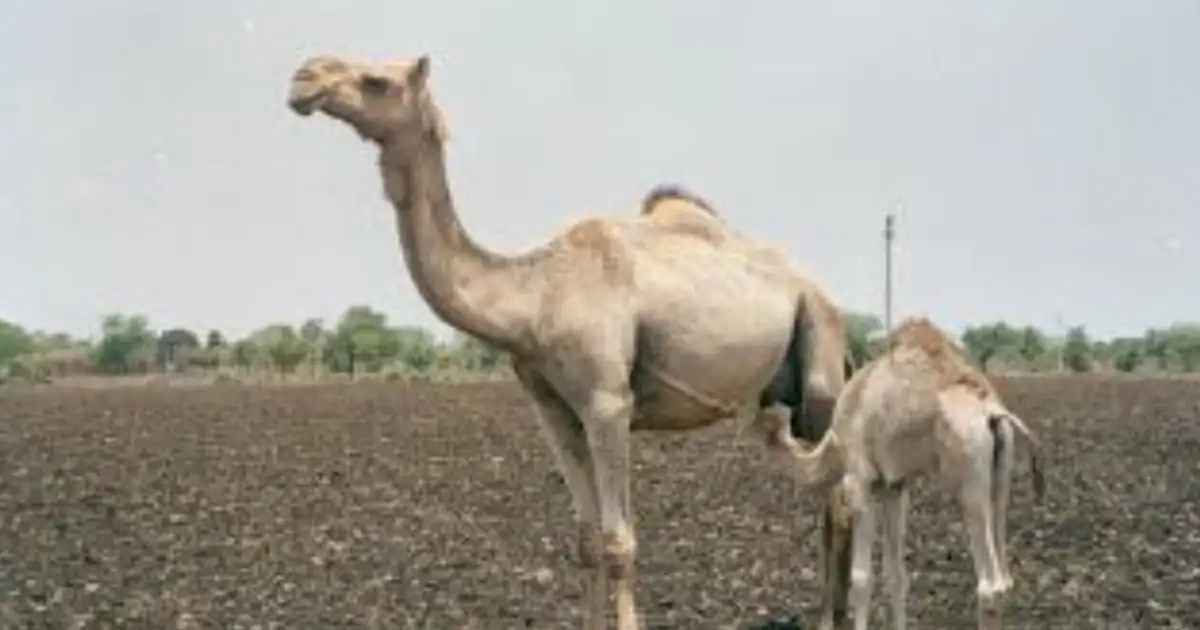
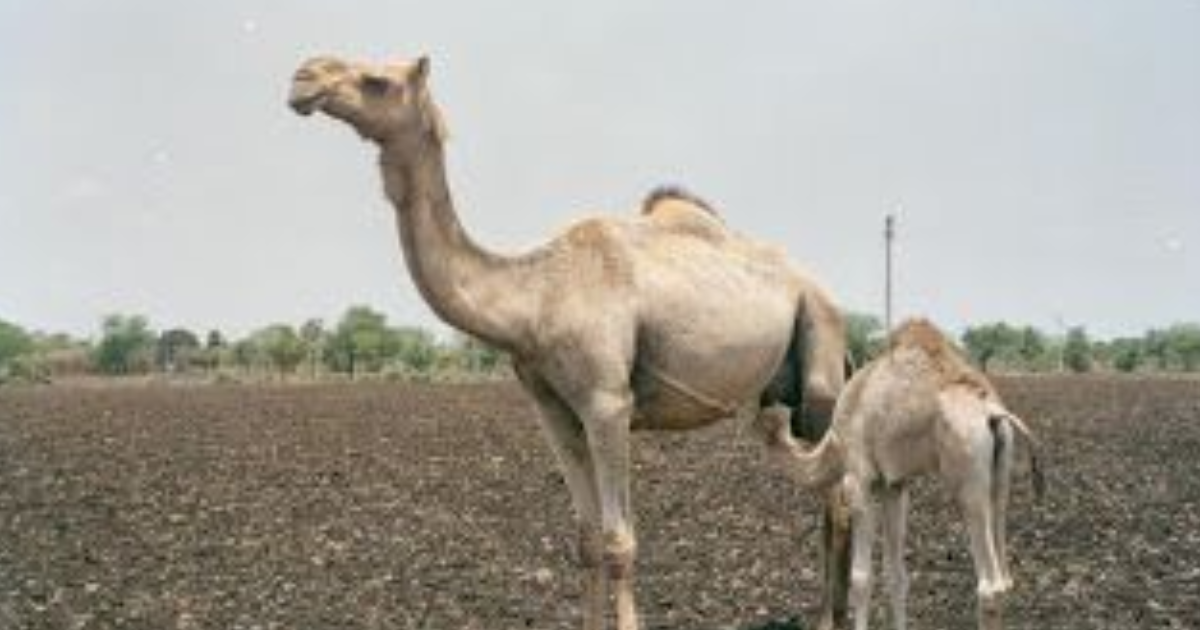
The Malvi camel, one of India's rare indigenous camel breeds, is facing the threat of extinction due to declining population, mechanisation of agriculture, shrinking grazing lands, and reduced economic dependence on camels. To conserve this valuable genetic resource, the National Research Centre on Camel (NRCC) has initiated a dedicated conservation programme.
Malvi Camel: Conservation of a Vanishing Desert Breed
A rare and distinctive camel breed native to central India, the Malvi, has been officially flagged as facing a serious threat of extinction, with only 102 animals remaining according to recent assessments. This alarming decline has prompted the National Research Centre on Camel (NRCC), under the Indian Council of Agricultural Research (ICAR), to launch a dedicated conservation and breeding initiative aimed at reviving the breed's dwindling population.
Recognition and Classification
The Malvi is one of nine officially recognised camel breeds in India, sharing this distinction with breeds such as Bikaneri, Jaisalmeri, Mewari, Marwari, Mewati, Jalori, Kharai, and Kachchhi. According to the 2019 livestock census, the Malvi breed has witnessed a sharp population decline, resulting in its classification under the "endangered" category. Scientists consider any camel breed with fewer than 300 breeding females to be at risk, a threshold that places Malvi alongside the Mewari and Mewati breeds in this vulnerable bracket.
Officials have attributed the breed's dwindling numbers to changing socio-economic conditions and a decline in its traditional utility, as mechanisation and shifting rural livelihoods have reduced dependence on camel-based transport and labour.
Physical Characteristics and Utility
The Malvi camel is distinguished by its striking white coloration, and is notably the smallest among India's recognised camel breeds. It is medium-sized with a robust build, typically sporting a light brown to reddish-brown coat and a well-developed hump. Beyond its physical distinctiveness, the breed holds considerable value for milk production, with females capable of yielding around 4-5 kg of milk per cycle. Traditionally, Malvi camels have also been employed for transportation and load-carrying, owing to their notable endurance and strength, making them well-suited for both agricultural tasks and general haulage work.
Habitat and Adaptability
The breed is primarily found in Madhya Pradesh's Malwa region, spanning districts such as Mandsaur, Neemuch, Ratlam and Gwalior, along with adjoining parts of Rajasthan including Kota, Bundi, Jhalawar and Baran. Unlike many other Indian camel breeds adapted to harsh desert terrain, the Malvi has evolved to thrive in both semi-arid and comparatively more humid conditions, reflecting the varied climatic character of the Malwa region itself.
The Conservation Initiative
To arrest the breed's decline, the NRCC has procured 12 Malvi camels — comprising three males and nine females — and initiated a scientific breeding programme designed to systematically increase their population.
"We have procured 12 Malvi camels, including three males and nine females, and initiated a scientific breeding programme to increase their population," said Dr Ved Prakash, principal scientist at the NRCC.
Beyond captive breeding, the programme also involves detailed scientific study of the breed's unique genetic and physiological characteristics, alongside efforts to build awareness among farmers and livestock rearers regarding the breed's ecological and economic significance.
Dr Prakash further noted that the initiative extends beyond conservation and breeding alone, encompassing efforts to study the breed's distinctive traits and foster greater awareness among those who rear livestock.
The programme is being implemented under a network project structure, reflecting the NRCC's broader institutional mandate, which includes maintaining a camel gene bank to preserve genetic diversity across India's camel breeds and providing technical support to camel herders nationwide.
Significance and Way Forward
The Malvi camel's predicament reflects a broader, often overlooked crisis facing India's indigenous livestock breeds, many of which face marginalisation as traditional pastoral economies give way to mechanised alternatives. Camels, in particular, occupy a unique ecological niche in India's semi-arid landscapes, offering sustainable livelihoods, drought resilience, and genetic diversity that cannot be easily replicated through other livestock. The conservation of breeds like Malvi is therefore not merely a matter of biodiversity preservation but also one of safeguarding traditional rural livelihoods and indigenous agro-pastoral knowledge systems. Going forward, sustained investment in scientific breeding, expanded market linkages for camel milk and allied products, and stronger community engagement with pastoralist communities will be essential to ensure that endangered breeds such as Malvi do not vanish entirely from India's living heritage.
Conclusion
The plight of the Malvi camel serves as a poignant reminder that India's rich livestock diversity, cultivated over centuries of selective breeding and adaptation to local ecologies, remains acutely vulnerable to the pressures of modernisation. The NRCC's timely intervention offers a crucial lifeline for this rare, white-coated breed of the Malwa plateau, but its long-term survival will depend on sustained scientific effort combined with renewed socio-economic relevance for the communities that have traditionally reared it. Protecting such indigenous breeds is not just an act of conservation, but an investment in the resilience and diversity of India's broader agrarian and pastoral heritage.