SHetA2 Therapy: New Cervical Cancer Pill Targets HPV-Induced Cancer Development
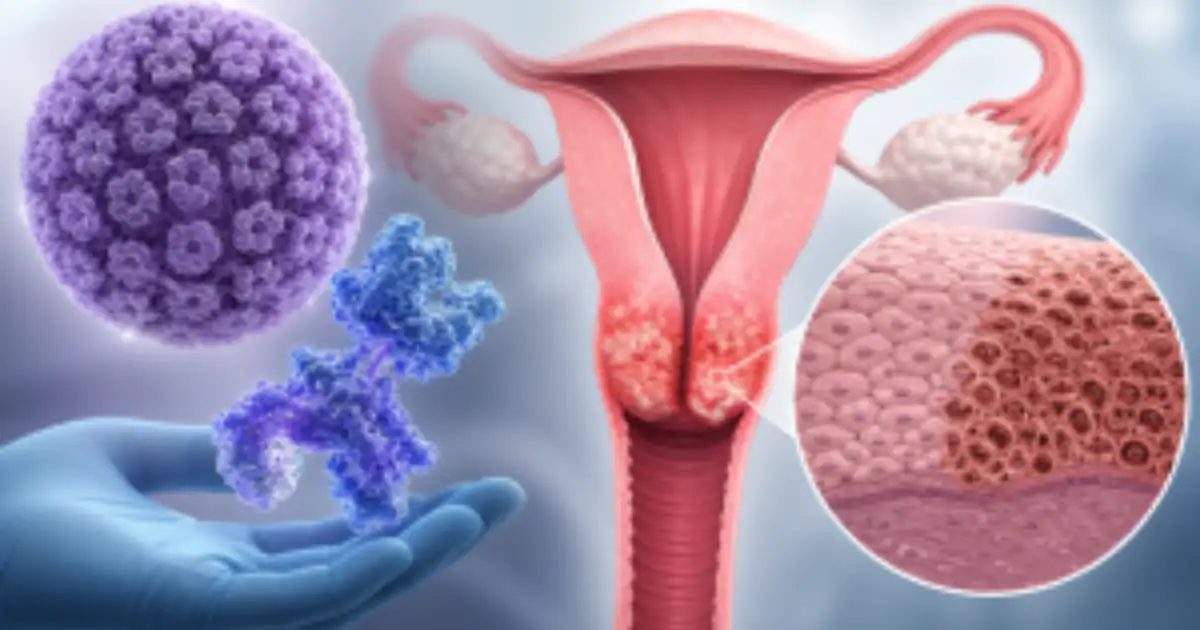
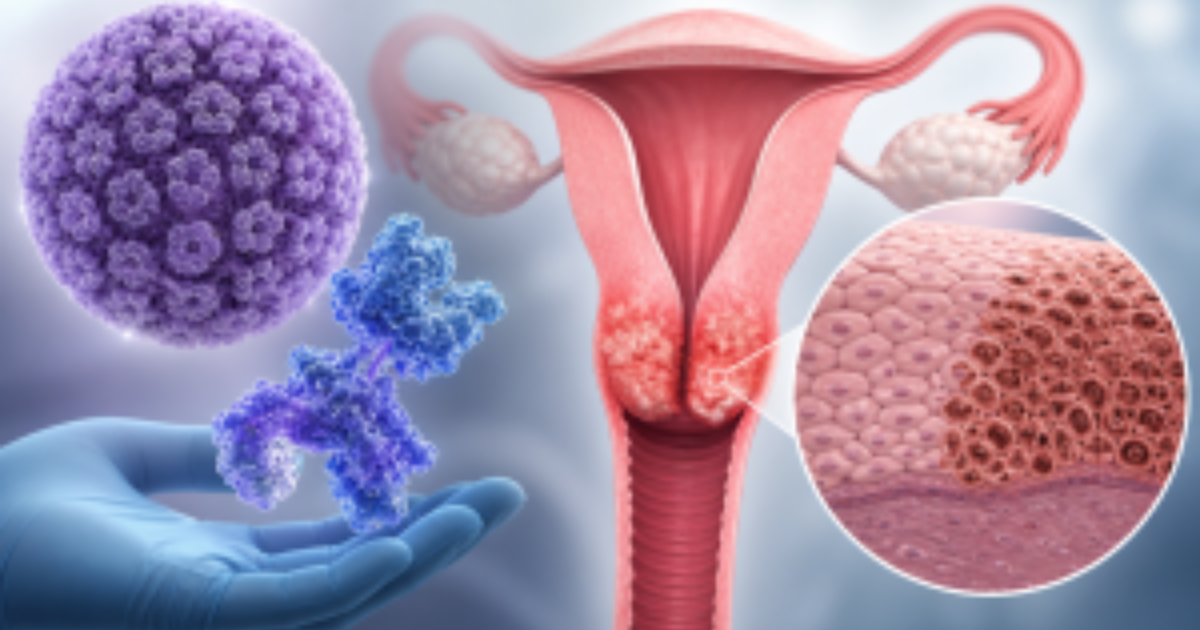
SHetA2 is a promising small-molecule oral drug being developed to prevent Human Papillomavirus (HPV) infections from progressing into cervical cancer. Recent studies have shown encouraging results in stopping HPV-induced precancerous changes, offering a potential non-surgical treatment option for cervical dysplasia.
SHetA2: A New Frontier in Cervical Cancer Prevention
India's fight against cervical cancer has entered a promising new phase with SHetA2, an investigational anti-HPV therapeutic candidate that has shown early success in halting HPV infection before it progresses into cancer. Developed indigenously through the Indian Council of Medical Research (ICMR), the drug represents one of the first targeted, non-surgical approaches to tackling precancerous cervical lesions — a development that carries particular significance given India's disproportionately high cervical cancer burden.
What Makes SHetA2 Distinctive
SHetA2 is a small molecule therapy, meaning it is a chemically manufactured, low-molecular-weight compound that the human body can readily absorb. It has been designed specifically to treat HPV-induced cervical dysplasia and cervical cancer, targeting women who have already developed precancerous cervical lesions — technically known as Cervical Intraepithelial Neoplasia (CIN). At present, the therapy has been evaluated in an oral capsule formulation, distinguishing it from conventional surgical interventions such as the Loop Electrosurgical Excision Procedure (LEEP) or cold knife conisation, which are currently the standard treatments for moderate to severe precancerous lesions.
A senior scientist involved with the research explained that the therapy functions by breaking the connection between the HPV-E7 protein and a host protein inside human cells, a bond that would otherwise shield the harmful E7 protein and allow it to continue damaging healthy tissue.
Mechanism of Action
The therapy works by targeting three specific proteins within the human body: mortalin, heat shock cognate 70 (hsc70), and glucose-regulated protein 78 (Grp78). These proteins are essential for enabling the proliferation of the cancer-causing oncoprotein produced by the virus. By disrupting the interaction between these host proteins and the HPV-E7 oncoprotein, SHetA2 effectively strips away the protective shield that allows E7 to persist and damage healthy cervical cells. Once this connection is broken, the compromised E7 protein becomes vulnerable and is subsequently destroyed by the body's own immune defences — offering a targeted, cell-selective mechanism rather than the broader tissue destruction associated with surgical removal.
The drug candidate was developed through a collaborative effort between ICMR's National Institute of Cancer Prevention and Research (NICPR) and the University of Oklahoma's Stephenson Cancer Center, and has since progressed to Phase I clinical trials assessing its safety profile. ICMR has since licensed the therapeutic candidate to Emcure Pharmaceuticals for further development and eventual commercialisation, though it remains an investigational drug that has not yet received regulatory approval for clinical use.
Understanding HPV: The Underlying Threat
Human Papillomavirus (HPV) is the most common sexually transmitted infection worldwide, with more than 100 identified viral types. While many HPV infections cause relatively benign skin growths such as warts, certain high-risk strains — most notably HPV types 16 and 18 — are strongly associated with the development of cervical and other cancers. The virus spreads through skin-to-skin contact, and most genital HPV infections are acquired through direct sexual contact, including vaginal, anal, and oral sex.
Public health estimates suggest that approximately 80 percent of both men and women will contract an HPV infection at some point in their lives, underscoring just how widespread viral exposure is across populations.
Symptoms of HPV infection can range from genital or anal warts to cancerous growths in the mouth or throat, depending on the strain involved and the site of infection. Crucially, there is currently no cure for HPV itself once contracted; HPV vaccination therefore remains the most effective strategy for preventing HPV-related cancers, particularly when administered prior to viral exposure.
India's Cervical Cancer Burden
The urgency behind this research is underscored by India's substantial share of the global cervical cancer burden. The country accounts for roughly one-third of all cervical cancer deaths worldwide, with approximately 123,907 new cases and 77,348 deaths reported annually. Cervical cancer remains the second most prevalent cancer among Indian women, a burden driven largely by high-risk HPV strains, persistently low cervical screening rates, and limited uptake of HPV vaccination across the country.
Significance and Way Forward
If future clinical trials successfully establish both the safety and efficacy of SHetA2, it could mark a paradigm shift in how precancerous cervical conditions are managed — offering women a non-surgical, pharmacological alternative at a stage when intervention can prevent progression to full-blown cervical cancer altogether. This is particularly significant for a country like India, where limited screening infrastructure and vaccine uptake often mean that cervical abnormalities are detected only at advanced stages, when surgical options remain the primary recourse. Going forward, expanding clinical trials to establish long-term efficacy, scaling up affordable manufacturing through partnerships such as the one with Emcure Pharmaceuticals, and integrating such therapies within India's broader cervical cancer screening and vaccination framework will be essential to translate this scientific breakthrough into tangible public health outcomes.
Conclusion
SHetA2 represents a rare instance of indigenous Indian biomedical research advancing to the threshold of a genuinely novel cancer-prevention pathway — one that intervenes at the precancerous stage rather than after malignancy has set in. While still an investigational compound awaiting further clinical validation, its targeted mechanism of dismantling the HPV-E7 oncoprotein's defences offers a scientifically elegant and potentially transformative approach to a disease that continues to claim a disproportionate number of lives in India. Should subsequent trials confirm its promise, SHetA2 could eventually complement vaccination efforts and reshape the standard of care for millions of women vulnerable to HPV-driven cervical cancer.