Koldam Hydroelectric Project Achieves Record Power Generation, Boosting India’s Renewable Energy Capacity
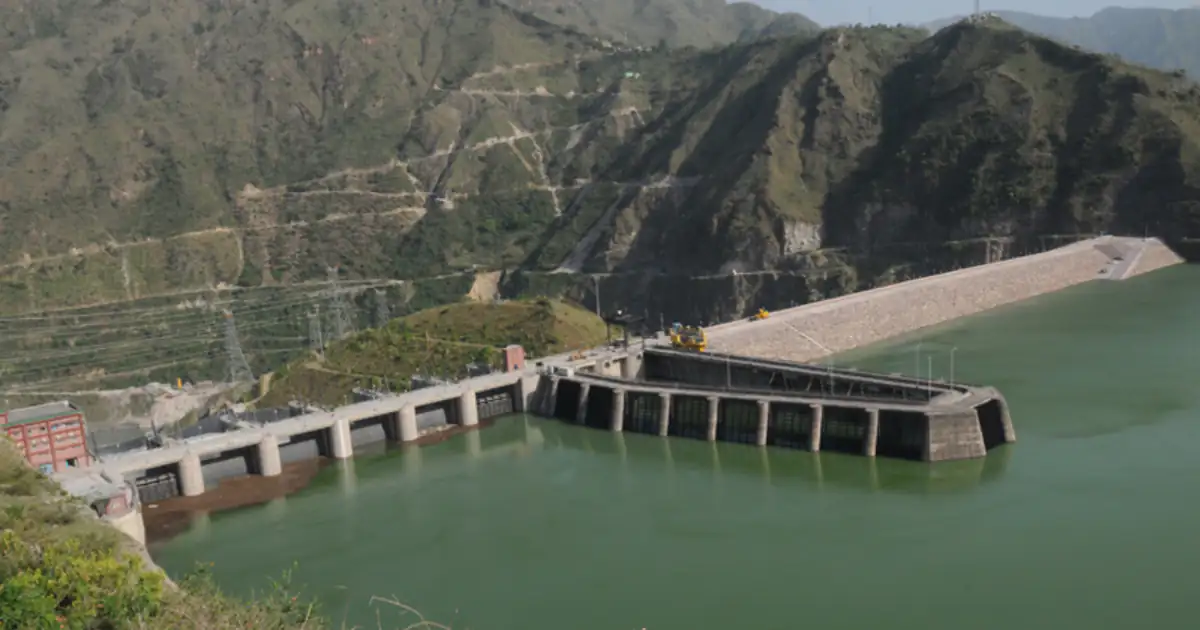
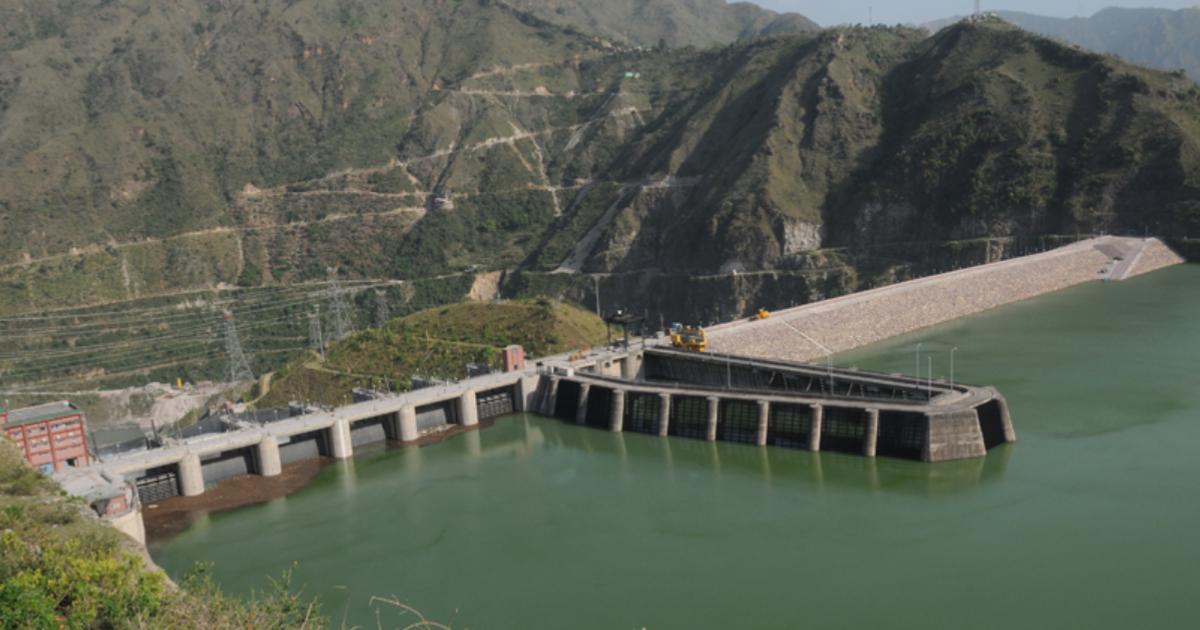
The Koldam Hydro Power Project is a major run-of-the-river hydroelectric project developed by NTPC Limited on the Satluj River in Himachal Pradesh. Recently, the project achieved its highest-ever annual electricity generation of over 3,512 million units (MU) during 2025–26, reflecting improved operational efficiency and its growing contribution to India's clean energy transition.
Koldam Hydro Power Project: A New Generation Milestone
NTPC's Koldam Hydroelectric Project in Himachal Pradesh has recorded its highest-ever power generation since being commissioned, producing over 3512 million units of electricity during the financial year 2025-26. This milestone underscores the plant's growing operational efficiency and its continuing importance to India's northern power grid, more than a decade after it began commercial operations.
Location and Physical Features
The Koldam project is situated on the Satluj (Sutlej) River in the Bilaspur District of Himachal Pradesh, positioned just upstream of the Bhakra reservoir. The project's centrepiece is a 167-metre-high rock-and-gravel-filled clay-core dam, an engineering feat that required the construction of both an upstream coffer dam and a downstream coffer dam to manage river flow during the building phase.
Engineers involved in large embankment dam projects of this scale often note that clay-core rock-fill dams are favoured in the Himalayan region for their ability to combine structural stability with resistance to seismic activity, a consideration central to Koldam's design given its location in a geologically sensitive zone.
The reservoir formed by the dam has a substantial storage capacity, capable of holding up to 560 million cubic metres of water, allowing the plant to manage seasonal variations in river flow while sustaining consistent power generation.
Capacity and Ownership
Koldam has a total installed capacity of 800 MW, generated through four generating units. The project is owned and operated by NTPC Limited, India's largest power utility, which has increasingly diversified into hydroelectric generation to build a more balanced and sustainable long-term energy portfolio alongside its traditional thermal power operations.
Power Distribution and Beneficiary States
The electricity generated at Koldam is transmitted to the national grid via a 400kV direct current (D/C) transmission line, ensuring efficient long-distance power delivery. As the host state, Himachal Pradesh receives 15 percent of the generated power completely free of cost, along with an additional 12 percent at bus-bar rate — a standard arrangement under which states hosting hydro projects receive concessional access to the power generated within their territory.
Beyond Himachal Pradesh, the project's power output benefits a wide network of northern Indian states and union territories, including Delhi, Haryana, Punjab, Rajasthan, Uttar Pradesh, Jammu and Kashmir, and Chandigarh, reflecting Koldam's integrated role within the northern regional power grid.
Significance and Way Forward
Koldam's record generation year highlights the growing reliability and operational maturity of India's hydroelectric infrastructure, which remains a critical component of the country's renewable energy mix alongside solar and wind capacity. Hydropower projects like Koldam offer the dual advantage of clean, renewable generation and grid-balancing flexibility, given their ability to ramp production up or down more readily than thermal plants. As India continues to pursue its broader clean energy and net-zero commitments, sustained investment in optimising existing hydro assets, alongside careful attention to environmental and geological safety in the ecologically sensitive Himalayan region, will be essential to ensuring that projects such as Koldam continue to deliver consistent, high-efficiency output over the coming decades.
Conclusion
The record power generation achieved by the Koldam Hydroelectric Project in 2025-26 stands as a testament to the sustained operational efficiency of one of NTPC's key hydro assets in the Himalayan belt. Beyond the numbers, the project exemplifies how well-designed run-of-the-river hydropower schemes can reliably serve multiple states while balancing regional energy equity through mechanisms like free and concessional power allocation to the host state. As India's energy demands continue to grow, the steady performance of projects like Koldam reaffirms the enduring value of hydropower as a dependable pillar of the country's clean energy transition.