Tigidia singhal: New Trapdoor Spider Species Discovered in Deccan Plateau Grasslands
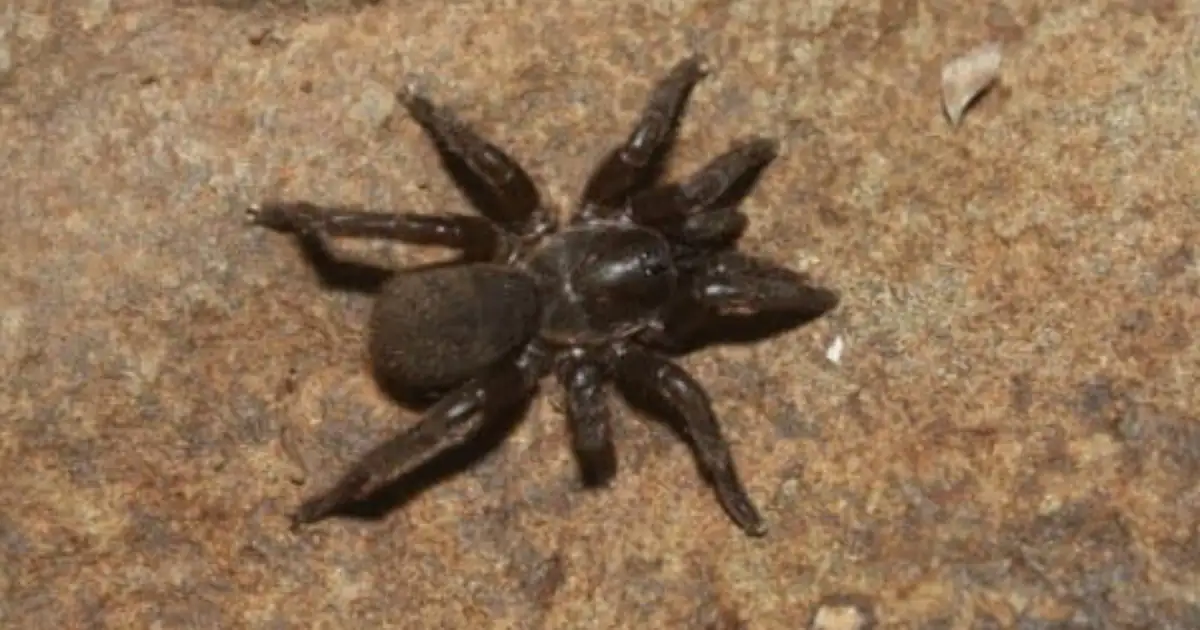
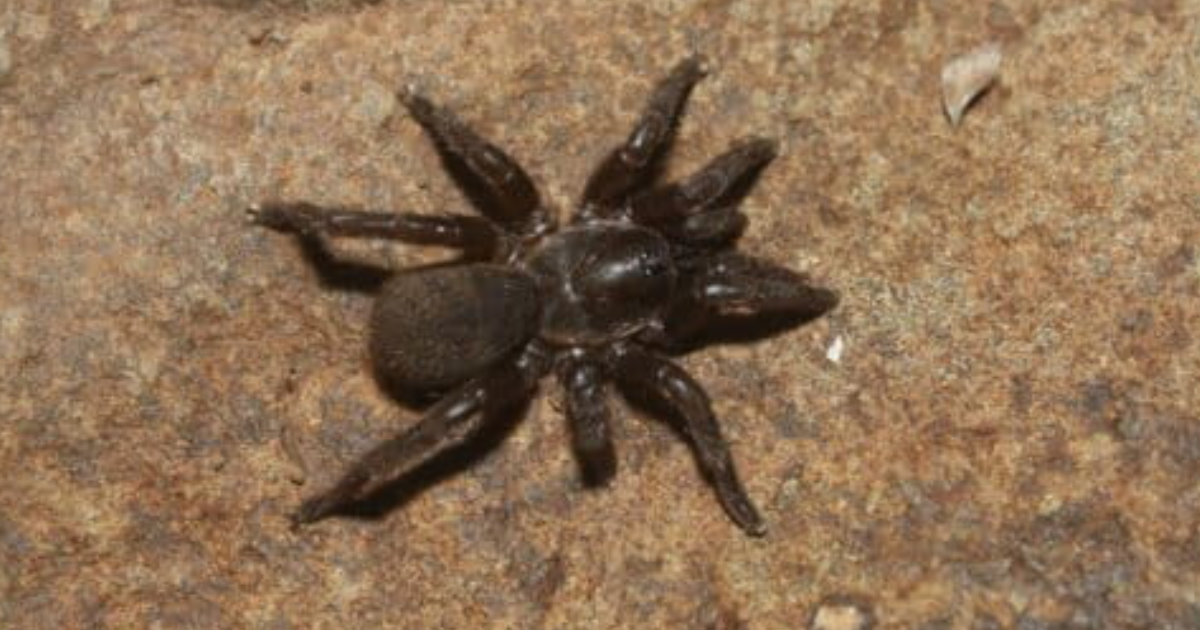
Tigidia singhal is a newly discovered species of trapdoor spider from the semi-arid grasslands of the Deccan Plateau in Maharashtra. The discovery is significant because it expands the known habitat of the Tigidia genus beyond tropical forests, highlighting the ecological importance of India's grassland ecosystems.
Tigidia singhal: A New Trapdoor Spider from India's Grasslands
Researchers have described a new species of trapdoor spider, Tigidia singhal, from the semi-arid grasslands of the Deccan Plateau in Maharashtra — a discovery that not only adds to India's known arachnid diversity but also significantly expands the known ecological range of its genus. The species, published in the journal Arachnology, was named in honour of Sandeep Singhal for his contributions to grassland conservation in India.
An Unexpected Discovery
The species was found during what began as a routine vegetation monitoring survey in Maharashtra's semi-arid grasslands, when researchers overturned a rock and discovered a silk-lined burrow underneath. Recognising it as characteristic of a trapdoor spider, the team carefully excavated the burrow, eventually reaching a bulb-shaped chamber where a female specimen of the genus Tigidia lay concealed. The specimen was collected in November 2025 near the Nandeshwar Mahadev Temple in Ahilyanagar, Maharashtra, and detailed morphological examination subsequently confirmed it as new to science.
Physical Description
The holotype specimen is a 15-millimetre-long female, distinguished by black legs covered in greyish, bristle-like hairs and a comparatively lighter abdomen marked with distinctive chevron-shaped patterns. These morphological details, along with detailed measurements and illustrations, formed the basis for the species' formal taxonomic description.
Expanding the Known Range of Tigidia
This discovery brings the total number of Tigidia species recorded in India to eight. The genus itself is known to occur only in Madagascar, Mauritius, and India, reflecting a fairly restricted global distribution. Until this discovery, all known Tigidia species in India had been recorded exclusively from peninsular India's tropical evergreen and deciduous forests, particularly within the Western and Eastern Ghats.
The study's authors noted that this find marks the first record of the genus Tigidia from a semi-arid, open natural ecosystem, significantly expanding its known biogeographic range beyond the forested habitats where it had previously been documented.
This represents a notable ecological departure, since the species now inhabits rocky hilltop grasslands of the Deccan Plateau — an ecosystem quite distinct from the moist forest habitats typically associated with this genus.
Understanding Trapdoor Spiders
Trapdoor spiders are long-living, largely sedentary creatures that spend the vast majority of their lives within burrows, rarely emerging except to search for a mate. Many species construct distinctive doors made of silk, soil, moss, and leaves to camouflage their burrow entrances, a trait that gives the group its common name. This adaptation offers considerable survival advantages, providing protection against desiccation and predators while also enabling efficient ambush-style prey capture — the spider simply flings open the trapdoor to seize passing insects or other arthropods.
Beyond their individual survival strategies, trapdoor spider burrows serve a broader ecological function, aerating soil, helping maintain soil structure, and creating microhabitats that support other organisms. Because they are highly sensitive to habitat disturbance, trapdoor spiders also function as valuable ecological indicators, with their presence typically signalling a healthy ecosystem and rich soil biodiversity.
Taxonomically, trapdoor spiders belong to the infraorder Mygalomorphae, a group that also includes tarantulas and funnel-web spiders. The genus Tigidia specifically falls within the family Barychelidae, commonly known as brush-footed spiders, which represents one of India's nine recognised mygalomorph spider families.
Significance and Way Forward
The discovery of Tigidia singhal underscores the ecological importance of India's often-overlooked semi-arid grasslands, ecosystems that have historically received far less conservation attention and scientific survey effort compared to forested habitats like the Western Ghats. That a genus previously confined to tropical forests has now been found thriving in an open grassland ecosystem suggests that such landscapes may harbour considerably more undescribed invertebrate diversity than currently recognised. Researchers involved in the study have emphasised the pressing need for expanded biodiversity surveys across India's semi-arid and grassland ecosystems, which continue to face conversion and degradation despite their largely unrecognised ecological richness. Strengthening conservation frameworks for such landscapes, rather than treating them merely as transitional or low-priority habitats, could prove essential to protecting species that remain entirely undocumented.
Conclusion
The description of Tigidia singhal is a compelling reminder that India's biodiversity riches extend well beyond its celebrated forest ecosystems into landscapes long dismissed as ecologically unremarkable. By demonstrating that an entire spider genus can adapt to a fundamentally different habitat type than previously known, this discovery reshapes scientific understanding of Tigidia's ecological versatility while spotlighting the conservation value of India's semi-arid grasslands. As researchers continue to survey these underexplored ecosystems, further discoveries of this kind seem not just possible, but likely.