Japan Earthquake: Deadly Tremor Highlights Seismic Vulnerability of Pacific Ring of Fire Nation
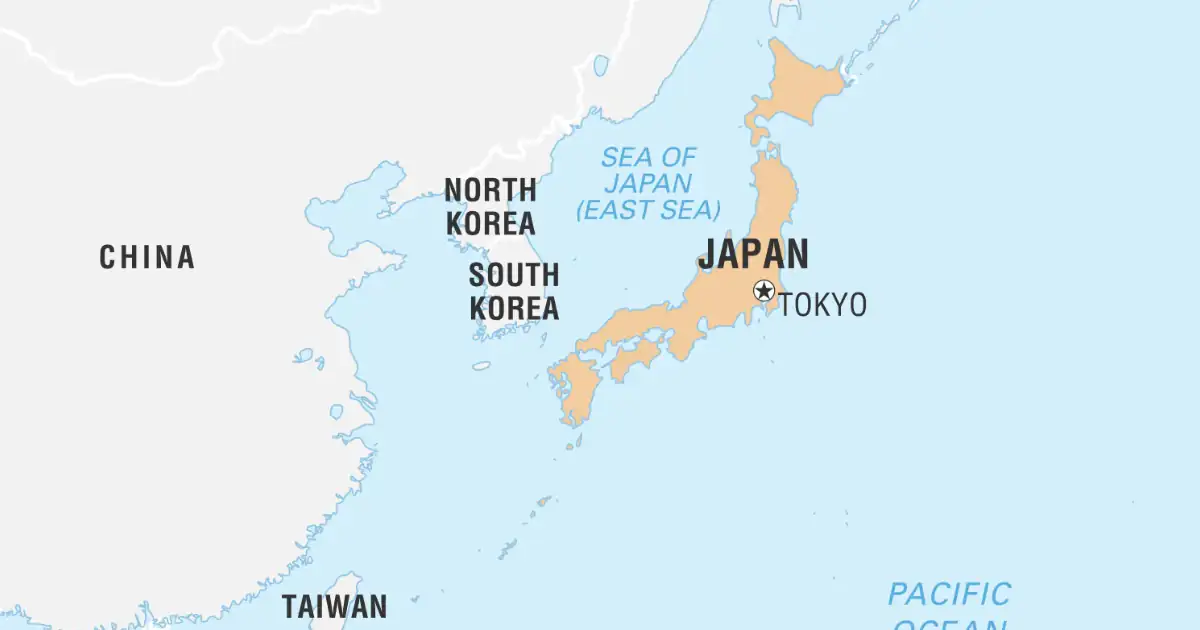
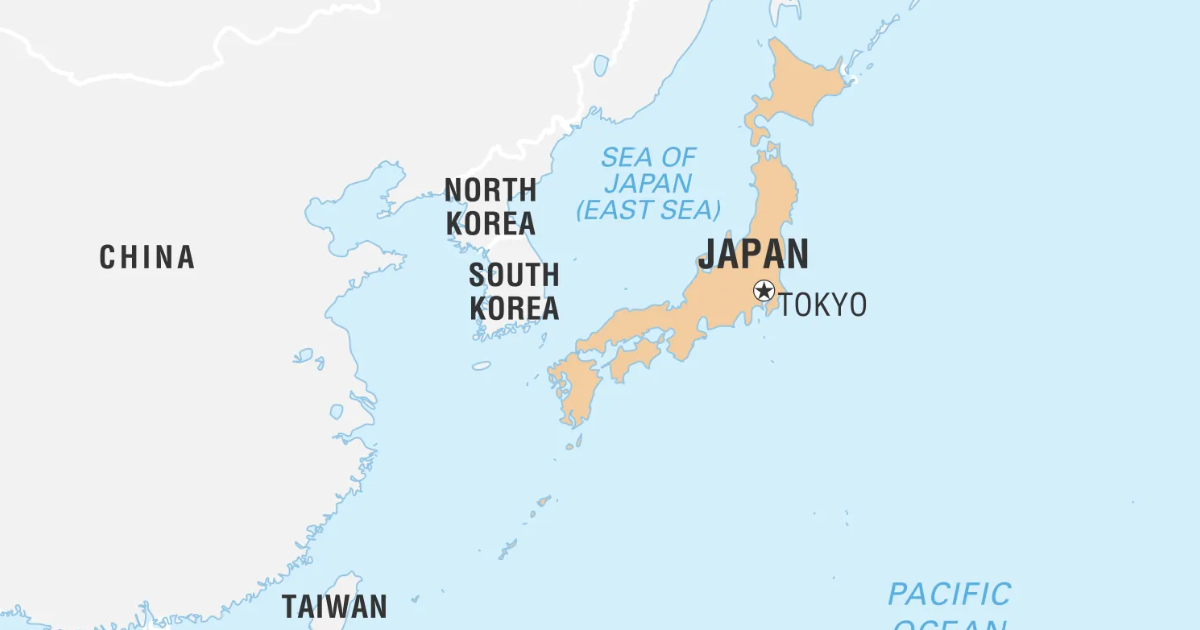
Japan is an island nation in East Asia located in the Northwestern Pacific Ocean. It is one of the world's most earthquake-prone countries due to its location on the Pacific Ring of Fire, where several tectonic plates converge.
Kumamoto Earthquake: A Powerful Reminder of Japan's Seismic Vulnerability
Japanese Prime Minister Sanae Takaichi has confirmed that 13 people have died following a powerful earthquake that struck the southern city of Kumamoto, as rescue operations continue amid widespread destruction. The disaster, now referred to as the "2026 Kumamoto Earthquake," has triggered a large-scale emergency response, underscoring Japan's persistent vulnerability to major seismic events given its location along one of the world's most active tectonic zones.
The Earthquake and Its Immediate Aftermath
The earthquake, initially reported at magnitude 7.1 and subsequently referenced by some sources as magnitude 6.8 as assessments were refined, struck Japan's southern Kumamoto Prefecture on the island of Kyushu. The Prime Minister confirmed the death toll during a briefing, noting that the figure includes fatalities still under investigation for their connection to the quake and its aftershocks.
Speaking to reporters, Takaichi expressed her condolences to the families of the deceased, stating that she wished to convey her sincere sympathies to the bereaved as well as to all those affected by the disaster.
Among the incidents contributing to the toll, an explosion, suspected to have been caused by a gas leak, struck the Aeon Mall in Kashima town on Kyushu hours after the earthquake, killing several people and leaving others missing. Separately, a partially collapsed smokestack at a Nippon Paper Industries facility in Yatsushiro trapped multiple employees, with several workers reported missing beneath the debris. A tsunami warning was also issued for Japan's Ariake and Yatsushiro Bay coastlines following the quake, prompting evacuation advisories for coastal residents.
The Emergency Response
The Japanese government has mobilised extensive resources to support search, rescue, and relief operations. Approximately 3,600 Self-Defense Forces personnel have been deployed to the disaster-hit region, working alongside police and firefighting units to reach trapped individuals and assess the scale of destruction.
"We will mobilise every resource on the ground to aim for the rescue and saving of as many lives as possible," Takaichi said, emphasising the urgency of ongoing rescue efforts.
The Prime Minister also announced that a Second Extraordinary Disaster Countermeasures Headquarters Meeting would be convened to assess the evolving situation and coordinate the government's response across affected ministries and agencies, as authorities continue working to restore essential infrastructure and deliver emergency supplies to evacuation centres.
About Japan: Geography and Location
Japan is an island nation situated in East Asia, in the northwestern Pacific Ocean. It is bordered by the Pacific Ocean to the east, the Sea of Okhotsk to the north, the Sea of Japan to the west, and the East China Sea to the southwest. Its capital city is Tokyo.
Geographical Features
Japan comprises a chain of islands stretching approximately 1,500 miles in a northeast-southwest arc, with its four main islands — Hokkaido, Honshu, Shikoku, and Kyushu — running from north to south. Kumamoto, the site of the recent earthquake, lies on Kyushu, the southernmost of these main islands. Over 80 percent of Japan's terrain is mountainous and rugged, home to the Japanese Alps and Mount Fuji, a stratovolcano and the country's highest peak at 3,776 metres.
Japan's climate ranges from subarctic conditions in the north to humid subtropical conditions in the south, reflecting its considerable north-south geographic span. Its major rivers include the Shinano River, the country's longest, along with the Tone and Kiso Rivers. Japan's natural resource base includes coal, iron ore, zinc, lead, copper, sulfur, gold, and silver.
Seismic and Volcanic Vulnerability
Japan's location on the Pacific Ring of Fire, a vast zone encircling the Pacific Ocean known for intense seismic and volcanic activity, makes it one of the most earthquake-prone nations on Earth. This geological setting results from the convergence of multiple tectonic plates beneath the Japanese archipelago, generating frequent and often powerful earthquakes, alongside the country's numerous active volcanoes.
Significance and Way Forward
The Kumamoto earthquake once again highlights the immense human and infrastructural toll that seismic disasters can inflict, even in a country widely regarded as a global leader in earthquake preparedness and disaster-resilient construction. Japan's rapid mobilisation of thousands of Self-Defense Forces personnel and structured disaster response mechanisms reflects institutional lessons drawn from previous major earthquakes, including the devastating 2016 Kumamoto earthquakes and the 2011 Tohoku disaster. Going forward, continued investment in building resilience, early-warning systems, and rapid emergency coordination will remain essential, particularly as secondary hazards such as gas explosions and industrial accidents, as seen with the Aeon Mall and Nippon Paper Industries incidents, can compound the human cost of the initial seismic event itself.
Conclusion
The 2026 Kumamoto earthquake serves as a sobering reminder of the seismic risks that define life across the Japanese archipelago, situated as it is along the volatile Pacific Ring of Fire. While Japan's disaster response infrastructure remains among the most sophisticated in the world, the unfolding tragedy in Kumamoto underscores that even well-prepared nations remain vulnerable to the sudden and often compounding consequences of major earthquakes. As rescue operations continue, the coming days will be critical in determining the full human and material toll of this disaster.