Soliga Tribe Conservation Model Highlights Importance of Community-Based Forest Protection
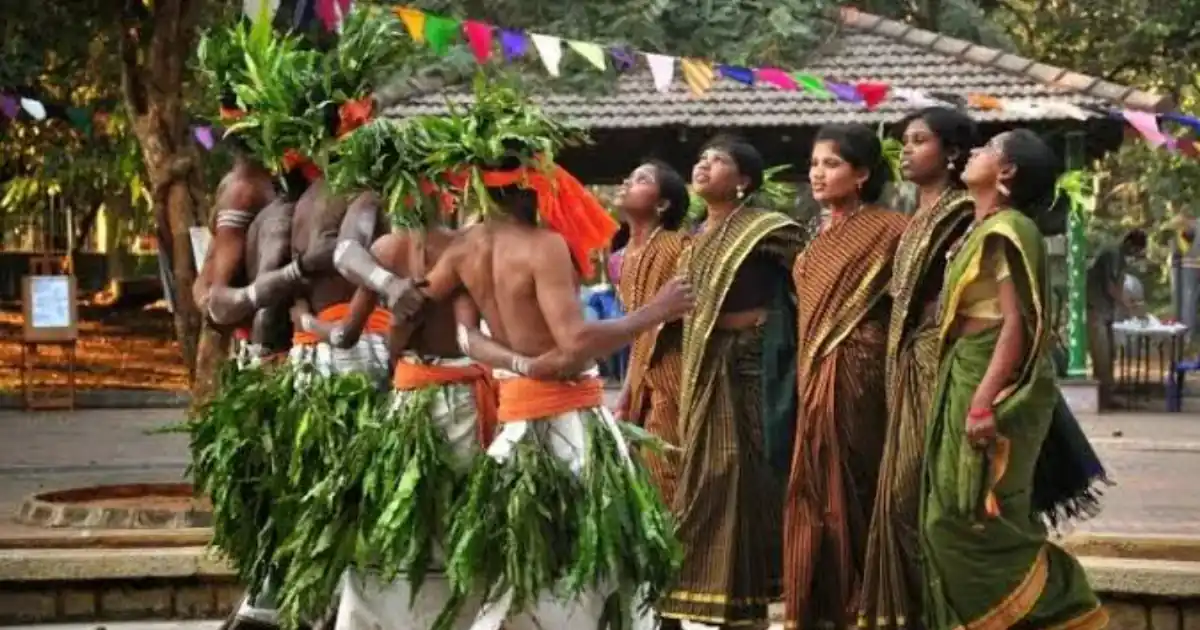
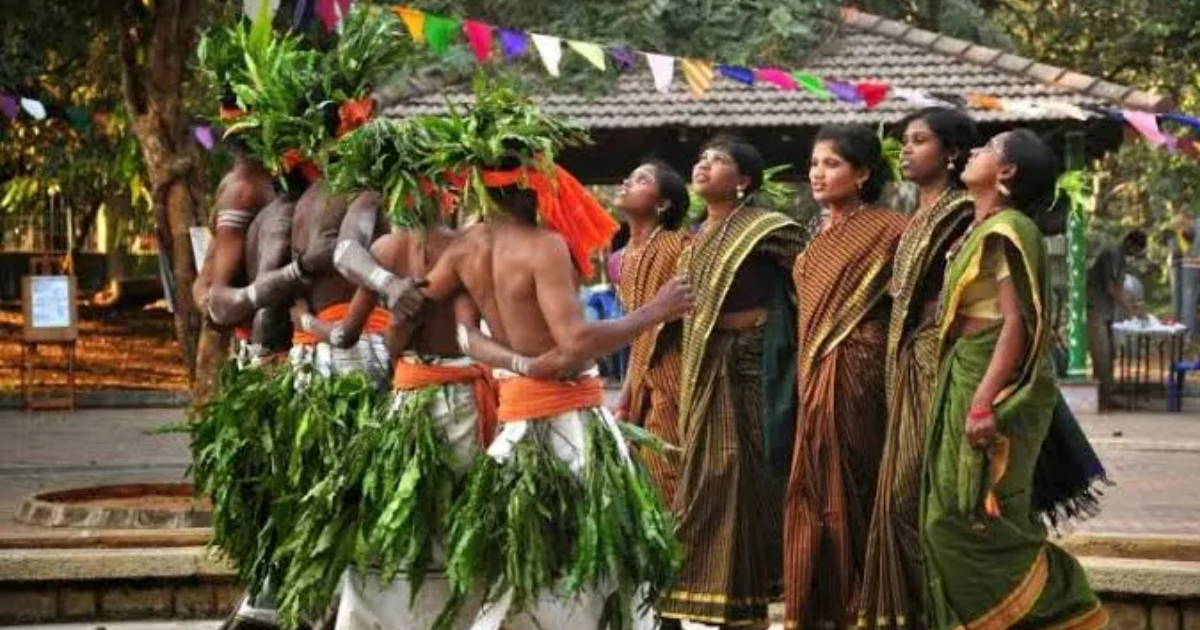
The Soliga are an indigenous forest-dwelling tribal community primarily inhabiting the forests of Karnataka and parts of Tamil Nadu. They are renowned for their deep ecological knowledge, sustainable use of forest resources, and harmonious coexistence with nature.
Fortress Conservation and the Soliga Model: Rethinking Protected-Area Governance
A recent study has highlighted how the dominant global approach to conservation, often referred to as "fortress conservation", has resulted in the eviction, uprooting, and ongoing distress of countless indigenous and local communities worldwide. Against this backdrop, the study identifies the Soliga tribal community of the Biligiri Rangaswamy Temple Wildlife Sanctuary (BRTWS) in Karnataka as a rare and instructive example of communities coexisting successfully alongside wildlife within a protected forest landscape.
Understanding Fortress Conservation
Fortress conservation refers to a model of biodiversity protection premised on the belief that ecosystems are best preserved when isolated from human presence and activity. Conservation is typically achieved by excluding, evicting, or legally dismissing the rights of local and indigenous populations from protected areas.
The study observes that this approach has resulted in evictions, ongoing distress, and dejection among many Indigenous Peoples and Local Communities worldwide, a pattern documented extensively across conservation landscapes on nearly every continent.
Critics of this model have long argued that such centralised, exclusionary conservation strategies are typically implemented without meaningfully including local communities in decisions regarding land use, access, or management, often severing communities from ancestral territories they have sustainably stewarded for generations.
The Soliga Exception
In sharp contrast to this broader global pattern, the BRTWS offers what researchers describe as a unique example of conservation success rooted in coexistence rather than exclusion. The Soligas have persisted within this landscape, living alongside tigers, elephants, bears, leopards, and other wildlife for millennia, historically managing the forest themselves before colonial and later modern conservation policies imposed significant restrictions and penalties on their traditional practices.
Researchers note that the Soligas' continuous presence within the sanctuary suggests that their traditional knowledge and ecological skills have played a meaningful role in enabling sustained coexistence with wild animals, rather than conflict or displacement.
The study's integrated analysis of ecological, socio-cultural, and policy dimensions of the Soliga experience in the BRT landscape underscores the broader importance of recognising local and indigenous knowledge systems as legitimate contributors to conservation outcomes, rather than obstacles to be managed or removed.
About the Soliga Tribe
The term "Soliga" literally translates to "children of bamboo," reflecting the tribe's deep-rooted belief that they, like bamboo, have emerged from and remain intrinsically connected to the forest. The Soligas are an indigenous, forest-dwelling community found primarily across Tamil Nadu and Karnataka, residing in the peripheral forest areas near the Biligiri Rangana Hills and the Male Mahadeshwara Hills.
Notably, the Soligas hold the distinction of being the first tribal community living inside a tiger reserve to have their forest rights formally recognised through a court judgment, delivered in 2011. The community speaks Sholaga, a Dravidian language, alongside Kannada and Tamil. Soliga families traditionally live in single-room huts constructed of bamboo and mud, embodying a way of life built around minimal environmental disruption.
The Soligas maintain a strong philosophy of coexistence with nature, reflected in their use of indigenous, forest-derived utility items such as the jottai, a cup fashioned from leaves. Religiously, the community blends adherence to Hindu customs with practices rooted in naturism and animism. Economically, the Soligas have traditionally relied on shifting cultivation and the collection of minor forest produce, livelihood practices intimately tied to their forest habitat.
Significance and Way Forward
The Soliga case carries significant implications for how conservation policy is conceived and implemented globally, particularly as international frameworks such as the '30 by 30' initiative push to expand protected areas to cover 30 percent of the planet by 2030. Such ambitious targets inevitably raise urgent questions about how to accommodate the many communities who already inhabit these lands, making models of inclusive, knowledge-based coexistence, like that demonstrated by the Soligas, increasingly relevant rather than exceptional. The study urges greater recognition and institutional support for the knowledge systems held by Indigenous Peoples and Local Communities, suggesting that emerging economic opportunities tied to Nature-based Solutions could benefit both biodiversity and community wellbeing, provided such initiatives are developed equitably and in culturally appropriate ways aligned with community aspirations.
Conclusion
The Soliga experience within the Biligiri Rangaswamy Temple Wildlife Sanctuary offers a powerful counter-narrative to the often fraught global history of fortress conservation, demonstrating that long-term coexistence between indigenous communities and wildlife is not merely possible but potentially essential to sustainable conservation outcomes. As global conservation targets expand in scale and ambition, the lesson from BRTWS is unambiguous: durable conservation is far more likely to succeed when built in partnership with, rather than in opposition to, the very communities who have shaped and sustained these landscapes for generations.