Bhavani River Faces Water Hyacinth Menace, Raising Concerns Over Ecosystem and Livelihoods
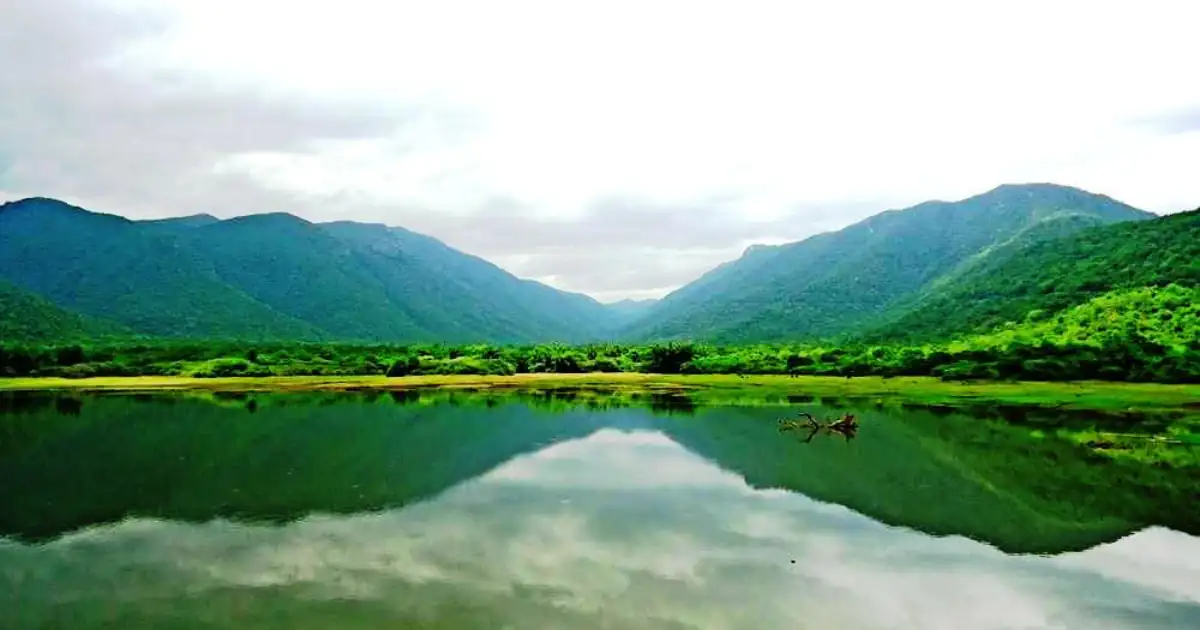
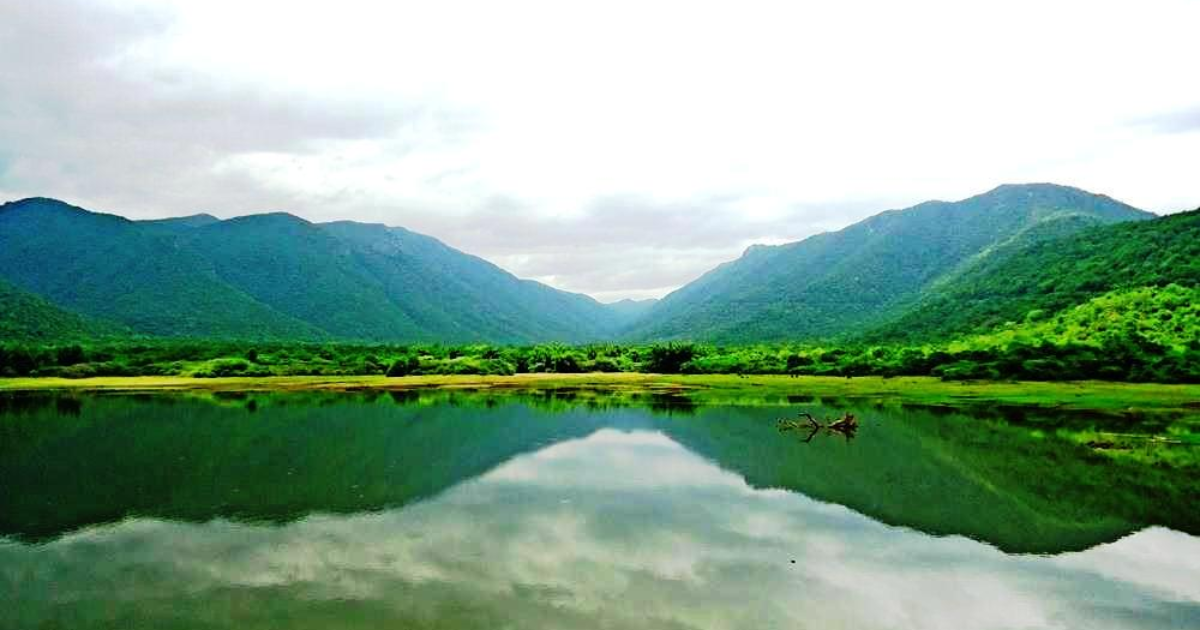
The Bhavani River is one of the most important tributaries of the Cauvery River and plays a vital role in the ecology, agriculture, and economy of southern India.
Water Hyacinth Invasion Threatens the Bhavani River
Large stretches of the Bhavani River near Kooduthurai in the town of Bhavani have recently been engulfed by dense growths of water hyacinth, an invasive floating aquatic weed, prompting farmers and local residents to urge the Tamil Nadu government to undertake urgent removal measures. The spread of the weed threatens to disrupt irrigation flows and river ecology at a location of significant religious and agricultural importance.
Understanding the Bhavani River
The Bhavani River is a major tributary of the Cauvery River, flowing through the states of Kerala and Tamil Nadu, and ranks as the second largest river in Tamil Nadu. The river originates in the Western Ghats, specifically in the Nilgiri Hills within Tiruppur district, emerging from Bhavani Lake at an elevation of about 2,165 metres (7,100 feet) above sea level.
From its source, the river flows into Kerala, passing through the ecologically significant Silent Valley National Park, before turning back into Tamil Nadu. It eventually merges with the Cauvery River at the town of Bhavani, at a site known as the Bhavani Sangameshwarar Temple, an important pilgrimage destination for Hindus. This confluence point, locally referred to as Kooduthurai, marks the meeting of the Cauvery, Bhavani, and the legendary underground river Agaya Gangai, making it a revered spot known as Dakshina Triveni Sangamam.
Course, Length, and Hydrology
The Bhavani River covers a total length of 217 km and is classified as a perennial river, meaning it flows throughout the year without drying up. Its drainage basin spans approximately 6,200 square kilometres, extending across parts of Tamil Nadu, Kerala, and Karnataka. Roughly 90 percent of the river's water is utilised for agricultural purposes, underscoring its critical importance to the farming communities that depend on it.
The river's largest tributaries, the West and East Varagar, originate in the Nilgiris and feed into its flow. Major infrastructure built along the river includes the Bhavani Sagar Dam and the Kodiveri Dam, both of which play key roles in regulating water supply for irrigation across the region.
The Water Hyacinth Problem
Water hyacinth (Eichhornia crassipes) is a free-floating aquatic plant known for its broad, glossy, ovate leaves and its capacity to rise as much as a metre above the water's surface. As one of the world's fastest-growing invasive aquatic weeds, it spreads rapidly across still and slow-moving water bodies, often forming dense mats that choke river flow, obstruct irrigation canals, and disrupt aquatic ecosystems by blocking sunlight penetration and depleting dissolved oxygen levels.
The recent proliferation of the weed near Kooduthurai has visibly altered stretches of the river, raising concerns among local farmers who rely heavily on the Bhavani for irrigation, as well as residents worried about the broader ecological and aesthetic impact on a stretch of river tied closely to religious practice and pilgrimage.
Significance and Way Forward
The spread of water hyacinth in rivers like the Bhavani carries significant implications, given how heavily the river's water is relied upon for agriculture across the region. Left unchecked, such invasive growth can obstruct irrigation channels, reduce effective water availability for farmers, and degrade water quality, compounding challenges already faced by agrarian communities dependent on the river's perennial flow. Experience from other water bodies grappling with similar infestations suggests that timely mechanical removal, biological control methods, and sustained monitoring are essential to prevent the weed from re-establishing itself, particularly at confluence points and slow-flowing stretches where it tends to accumulate. Community-based removal initiatives, where feasible, alongside consistent institutional follow-through from state water resource authorities, could help ensure that clearance efforts translate into lasting results rather than temporary relief.
Conclusion
The choking of the Bhavani River by water hyacinth near Kooduthurai serves as a reminder of how invasive aquatic species can quietly but significantly disrupt river ecosystems that sustain both agricultural livelihoods and cultural heritage. As a river central to irrigation across Tamil Nadu and revered for its confluence with the Cauvery at a sacred pilgrimage site, the Bhavani's health carries stakes well beyond its immediate banks. Prompt and sustained government intervention will be essential not only to restore the river's flow but to safeguard the agrarian and spiritual significance this waterway holds for the communities along its course.