Western Ghats ESA Draft: Centre Revives Decade-Long Conservation Debate Amid Development Concerns
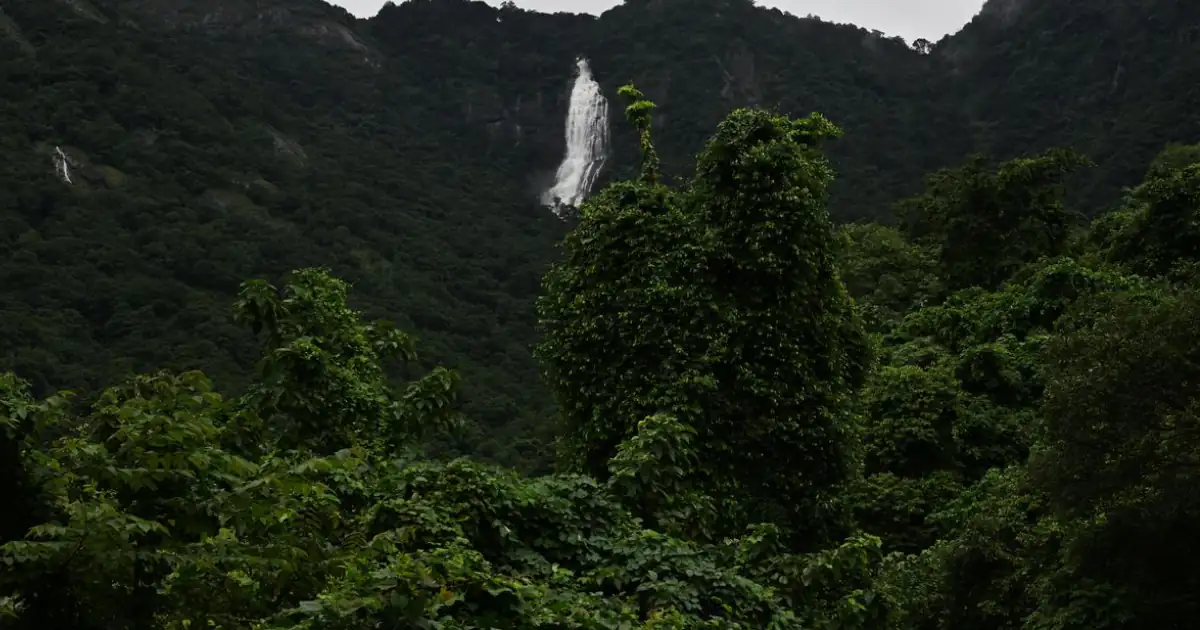
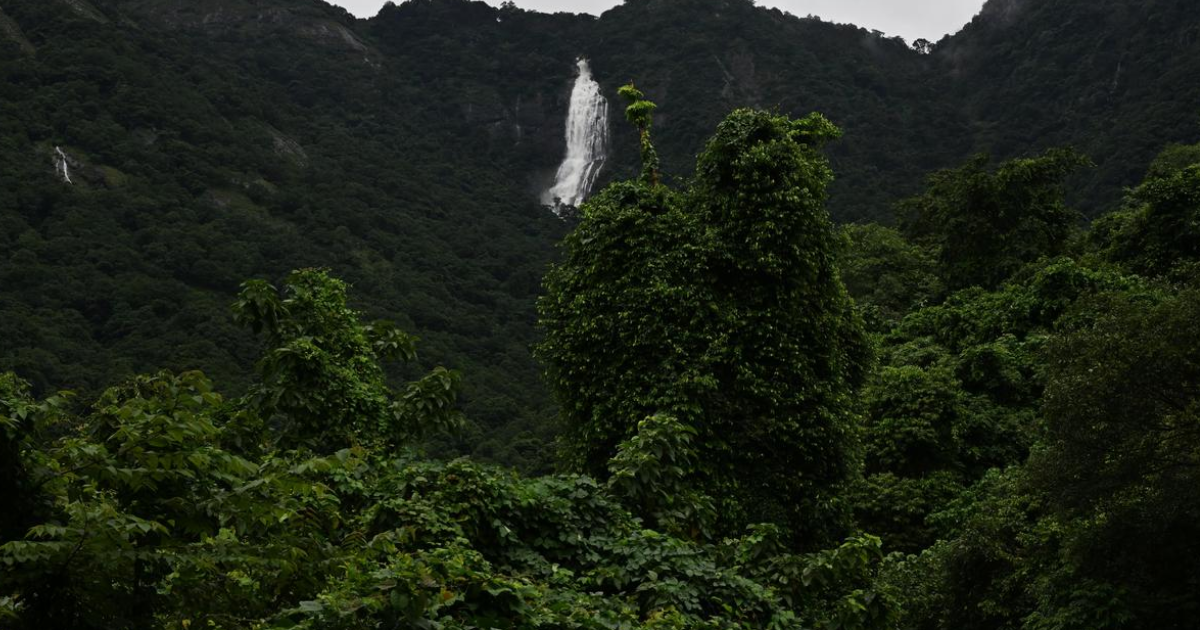
The Union Environment Ministry has issued the seventh draft notification proposing the declaration of an Ecologically Sensitive Area (ESA) in the Western Ghats, reopening a long-pending debate between environmental conservation and developmental needs. The proposal has remained unresolved for more than a decade due to disagreements between the Centre and the six Western Ghats states.
Western Ghats ESA: The Seventh Draft and a Decade-Long Deadlock
The Union Environment Ministry has reissued, for the seventh time in over a decade, its draft notification proposing an Ecologically Sensitive Area (ESA) across the Western Ghats, after the previous draft lapsed without being finalised due to continuing differences with the six states involved. The latest development extends a regulatory saga that has now stretched across successive governments and multiple rounds of consultation, without yet arriving at a final resolution.
About the Western Ghats
The Western Ghats is a mountain range running parallel to the western coast of the Indian peninsula, spread over approximately 1,500 km across six states: Gujarat, Maharashtra, Goa, Karnataka, Kerala, and Tamil Nadu. It holds the distinction of being older than the Himalayas in geological age and has been recognised as a UNESCO World Heritage Site for its outstanding universal value.
The range is home to thousands of species of flora and fauna, many of which are endemic and found nowhere else on Earth. Beyond its biodiversity value, the Western Ghats plays a defining role in shaping the monsoon pattern of peninsular India and functions as a critical water source, giving rise to major rivers such as the Godavari, Krishna, and Cauvery. The region also hosts 39 components of protected areas, including national parks, wildlife sanctuaries, and reserved forests.
The Gadgil Committee: Origins of the Dispute
The controversy over protecting the Western Ghats traces back to August 2011, when the Western Ghats Ecology Expert Panel (WGEEP), chaired by ecologist Madhav Gadgil, submitted its report recommending stringent conservation measures. The Gadgil Committee proposed treating the entire mountain chain as an Ecologically Sensitive Area, further divided into Ecologically Sensitive Zones (ESZ) 1, 2, and 3 based on the degree of ecological sensitivity. It recommended a strict ban on mining, quarrying, and highly polluting industries in ESZ-1, alongside phased decommissioning of polluting industries, promotion of sustainable and organic farming, and a bottom-up governance model involving local communities and Gram Sabhas in conservation decisions.
The report faced strong opposition, particularly from Kerala and Karnataka, whose governments argued that strict restrictions would adversely affect agriculture, plantations, and infrastructure development while displacing local populations dependent on natural resources.
Despite its ecological rigour, the Gadgil report's political unacceptability ultimately compelled the Centre to seek a more balanced alternative approach.
The Kasturirangan Committee: A Diluted Compromise
Following widespread state-level opposition, the Centre constituted a High Level Working Group in 2012, chaired by K. Kasturirangan, to review the earlier recommendations. This committee proposed designating only 37 percent of the Western Ghats as an ESA, a substantial reduction from the 64 percent suggested by the Gadgil Committee. It recommended a complete ban on mining, quarrying, sand mining, and thermal power plants within the ESA, alongside strict regulation of polluting industries and hydel power projects, while notably excluding inhabited regions and agricultural plantations from its purview, making it comparatively more pro-farmer.
States nonetheless criticised the report for adopting what they described as an erroneous demarcation method that included villages with only rubber plantations and no forest cover, while simultaneously excluding certain genuinely ecologically sensitive areas.
Kerala went on to appoint its own state-level committee under Oommen V. Oommen, which recommended further exclusions of inhabited regions and plantations, reflecting the continued friction between conservation objectives and state-level developmental concerns.
The Seventh Draft: What's New
The ESA issue has remained pending since 2011, with the first draft notification issued in March 2014 remaining unfinalised. Subsequent drafts followed in 2015, 2017, 2018, 2022, and 2024, before the Union Environment Ministry notified the seventh draft on July 27, 2026, shortly after the previous draft lapsed on the very same date without finalisation. The draft will remain open for public objections for 60 days before the Centre considers issuing a final notification.
The latest notification retains the proposed ESA at 56,825.7 sq. km, spread across the six states, proposing to bring 1,463 villages under enhanced environmental protection. Prohibited activities under the draft include mining, quarrying, and sand mining within the ESA, new thermal power plants, certain highly polluting industries, and large construction projects. Hydel power generation would be subject to regulation, while agriculture and plantation activity remain unaffected under the draft's provisions.
A comparison with the previous 2024 notification shows no substantive changes in the notified area, state-wise extent, or regulatory provisions, with the list of villages proposed for inclusion also remaining unchanged.
Notably, like its predecessor, the seventh draft proposes that the final ESA notification could be implemented in a phased manner, either state-wise or through a combined single notification, a provision intended to help expedite the process without requiring simultaneous consensus from all six states.
The Core Controversy
At its heart, the Western Ghats debate reflects a persistent tension between ecological conservation and developmental aspirations. Conservationists argue that the region's fragile ecosystem requires strict protection to prevent disasters such as landslides, biodiversity loss, and water scarcity, while states and local communities fear that stringent regulations would stifle economic growth, restrict agriculture, and displace populations. This tension is compounded by a deeper divide between scientific demarcation and political acceptability: the Gadgil report was scientifically rigorous but politically unworkable, while the Kasturirangan report, though a more diluted compromise, drew criticism for inaccuracies in its area demarcation. Neither approach has yet achieved a resolution acceptable to all stakeholders, reflecting broader federal tensions between the Centre's push for a uniform conservation framework and states' demands for localised flexibility.
Significance and Way Forward
The recurring landslides in regions such as Wayanad have repeatedly underscored the urgency of finalising ecological protections for the Western Ghats, with experts linking such disasters to deforestation, unplanned construction, and climate change. The prolonged failure to notify the ESA has allowed environmentally hazardous activities to continue largely unchecked, even as each fresh disaster briefly revives the debate without producing lasting resolution. Going forward, meaningful progress will likely require the Centre to address states' specific demarcation concerns transparently, invest in local-language public communication to counter misinformation about displacement, and consider the phased implementation route to break the decade-long deadlock, rather than waiting indefinitely for unanimous consensus among all six states.
Conclusion
The reissuance of the seventh draft notification on the Western Ghats ESA underscores both the ecological urgency and the political complexity that have defined this issue for over a decade. While the fundamental scientific case for protecting one of the world's most biodiverse mountain ranges remains undisputed, the persistent inability to reconcile conservation imperatives with state-level developmental concerns has left the region caught in a cycle of draft notifications without finality. Until this federal deadlock is resolved, the Western Ghats will likely continue to bear the twin risks of ecological degradation and recurring natural disasters, even as the debate over its protection enters its second decade.