Rising Zoonotic Virus Threats Highlight Urgent Need for Stronger Global Pandemic Preparedness
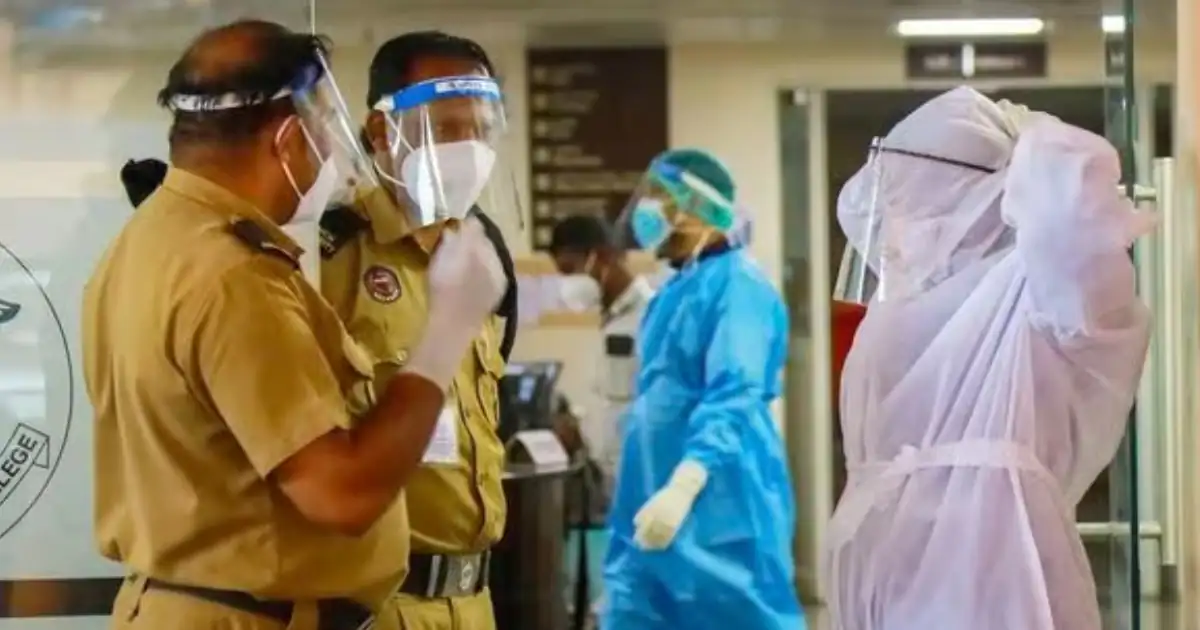
Recent outbreaks involving Ebola, hantavirus, and Nipah virus highlight the growing threat of zoonotic diseases that spread between animals and humans.
Zoonotic Threats in Focus: Ebola, Hantavirus, and Nipah
Recent episodes involving Ebola, hantavirus, and Nipah virus have underscored that dangerous zoonotic infections are no longer rare, isolated events. They are appearing with increasing regularity at the interface of humans, animals, forests, farms, hospitals, and global travel, exposing persistent weaknesses in surveillance systems, public trust, vaccine access, and international outbreak preparedness.
Ebola Virus Disease: A Recurring Central African Crisis
Ebola causes severe illness and death, with an average case-fatality rate of around 50 percent, varying significantly by viral species. A major outbreak declared in the Democratic Republic of the Congo (DRC) in May 2026 was caused by the Bundibugyo virus, a rare Ebola strain first identified in Uganda in 2007-08.
By mid-July 2026, the DRC had reported over 2,100 confirmed cases and more than 800 deaths, translating to a crude case-fatality ratio of around 39 percent, figures that continued climbing through late July as the outbreak spread across multiple provinces.
The World Health Organization declared the outbreak a Public Health Emergency of International Concern in May 2026, reflecting the scale and speed of its spread. Recent cases in central Africa illustrate how conflict, displacement, unsafe burial practices, distrust of health workers, and weak surveillance infrastructure make outbreak control extremely difficult. Notably, several Red Cross workers involved in burial operations later died after contracting the virus themselves, highlighting the risks faced by frontline responders. Ebola transmits from person to person through contact with infected body fluids, making safe burial practices and rapid contact tracing central to containment efforts.
Hantavirus: From Rodents to Cruise Ships
Hantavirus is named after the Hantaan River region in South Korea and is mainly rodent-borne, capable of causing kidney disease or hantavirus pulmonary syndrome, a severe lung illness that can rapidly progress to respiratory failure and shock. A notable cluster linked to the MV Hondius cruise ship revived public attention to the virus in 2026, illustrating how a locally confined pathogen can acquire international significance through travel, enclosed shipboard spaces, and multi-country contact tracing.
The outbreak, caused by the Andes hantavirus strain, ultimately resulted in 13 confirmed infections and three deaths among passengers and crew, prompting health authorities across more than 30 countries to trace over 600 contacts before the World Health Organization declared the outbreak officially over in July 2026.
Unlike most hantaviruses, the Andes strain is notable for showing limited but confirmed person-to-person transmission, making it the only known hantavirus species capable of spreading between humans, a factor that significantly heightened international concern despite the outbreak's ultimately contained scale.
Nipah Virus: A Persistent Regional Threat
Nipah virus is carried mainly by fruit bats and causes respiratory illness and encephalitis, with case-fatality rates estimated between 40 and 75 percent depending on the outbreak and region. Recurring concerns in India and Bangladesh confirm that Nipah remains a persistent regional threat, particularly in areas where fruit bat habitats overlap closely with human settlements and livestock. The virus spreads through close household or healthcare contact, making infection control within family and hospital settings a critical line of defence during outbreaks.
The Vaccine Gap
A significant gap exists in the availability of licensed vaccines for these pathogens. A licensed vaccine currently exists for only one major Ebola virus species, while no licensed human vaccines exist for the Bundibugyo strain of Ebola, Nipah virus, or hantavirus infections. Compounding this challenge, no reliable curative treatment exists once outbreaks begin, making early detection, isolation, and rigorous infection control the primary tools available to responders.
Building Preparedness: From Research to Vaccine
Developing an effective vaccine typically unfolds in two broad stages. The first involves basic research, understanding pathogen biology, including how a virus enters cells, causes disease, and which proteins trigger protective immunity, work that largely takes place in publicly funded universities and national laboratories. The second stage involves industrial translation, converting foundational research into usable vaccines through process development, formulation, quality control, regulatory documentation, clinical trials, manufacturing, and cold-chain logistics.
Emerging technologies are beginning to reshape this process. Artificial intelligence tools can now help identify vaccine targets, predict immune responses, compare candidate formulations, and improve manufacturing efficiency, although conventional biological validation, safety testing, and regulatory review remain essential and cannot be bypassed. Platform technologies such as mRNA vaccines, viral vector vaccines, and recombinant protein systems can significantly accelerate vaccine design once a pathogen's genetic sequence or protective antigen has been identified.
Why Vaccine Development Lags
The COVID-19 pandemic demonstrated that vaccine design, testing, and scale-up can move far faster than previously believed possible. However, these platforms are not freely available to all researchers, as many depend on patents, proprietary know-how, and specialised manufacturing controls held by a limited number of companies. Testing itself poses further challenges, since outbreaks of Ebola, hantavirus, and Nipah are often unpredictable in timing and location, making conventional large-scale clinical trials difficult to conduct. This may require emergency trial designs, ring-vaccination studies, adaptive protocols, and regional trial networks tailored to outbreak conditions. Compounding these scientific hurdles is a stark economic disincentive: international vaccine companies may find limited financial attraction in developing vaccines for diseases with small, unpredictable outbreaks concentrated in poorer regions, despite the substantial public-health value such vaccines would offer.
Significance and Way Forward
Addressing these gaps will require deeper academia-industry partnerships, where academic institutions contribute immunology expertise, animal models, and early vaccine concepts, while industry partners provide the scale-up, formulation, quality assurance, and distribution capacity needed to bring vaccines to affected populations. Since standard profit-driven models consistently fail to reward epidemic vaccine development, a shared-risk financing approach involving public funding, advance purchase commitments, technology transfer, regional manufacturing capacity, and fair global stockpiling arrangements may offer a more sustainable path forward. Equally critical is addressing vaccine hesitancy: fear, misinformation, and distrust during outbreaks can prevent people from accepting vaccines or cooperating with contact tracing and isolation measures. Such trust must be built well before emergencies arise, through honest communication, engaged local leadership, and transparent risk communication that respects community concerns rather than dismissing them.
Conclusion
Ebola, hantavirus, and Nipah illustrate, in strikingly different ways, that pathogens do not respect borders, a disease originating in a remote forest village or aboard a cruise ship can become an international concern within days. Genuine preparedness demands overcoming not just a scientific challenge, but building resilient public-private, academic-industrial, and international systems capable of developing vaccines in time, distributing them fairly, and earning the community trust needed to ensure they are actually used when outbreaks strike.