DAANVEER Initiative Launched to Strengthen Digital Infrastructure in Gram Panchayats
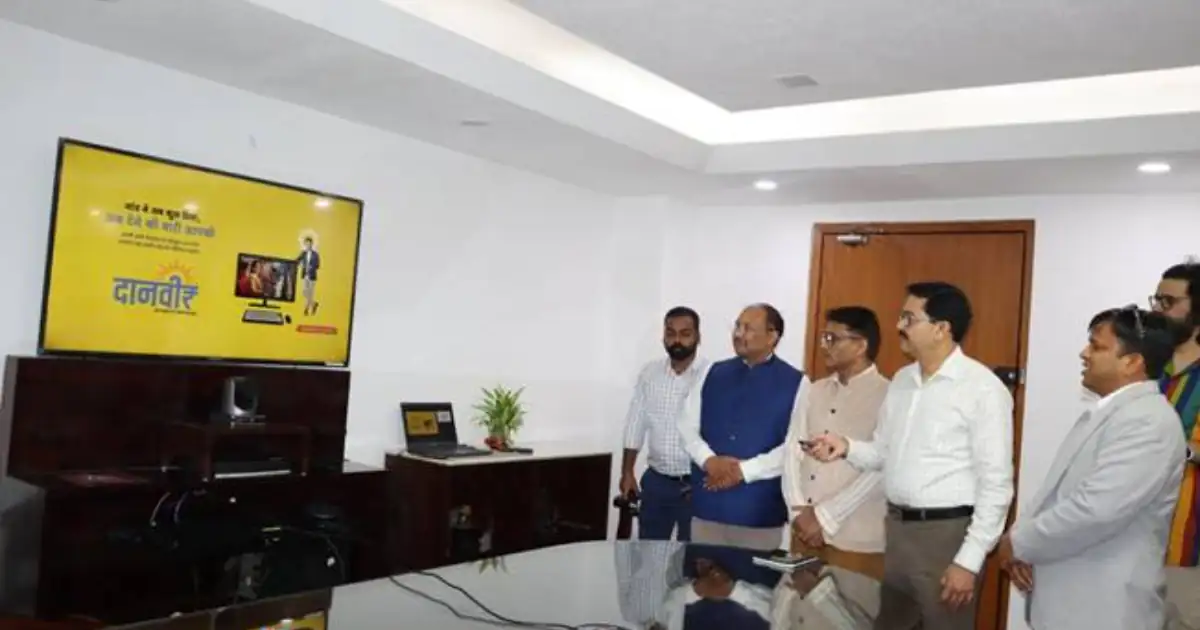
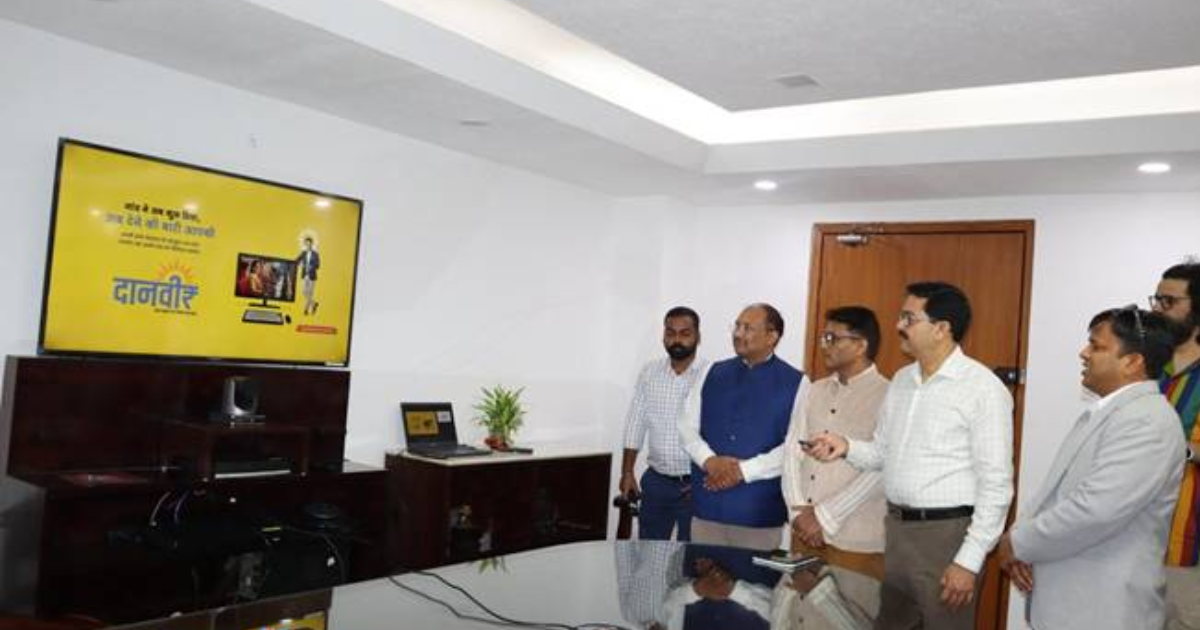
The Ministry of Panchayati Raj has launched the DAANVEER Initiative, a citizen participation programme aimed at strengthening the digital infrastructure of Gram Panchayats by enabling individuals and organisations to voluntarily donate computers.
DAANVEER: Citizen-Powered Digital Infrastructure for Gram Panchayats
Launch and Purpose
The Ministry of Panchayati Raj on Wednesday launched DAANVEER, a citizen participation initiative that enables individuals and organisations to voluntarily contribute computers to gram panchayats through the 'Meri Panchayat' mobile application to strengthen digital infrastructure at the grassroots. The initiative was launched by Vivek Bharadwaj, Secretary, Ministry of Panchayati Raj, in New Delhi, and has been developed in collaboration with the National Informatics Centre (NIC) and the DigiHaat marketplace. Rather than treating digital equipment shortfalls as a problem for government funding alone, DAANVEER opens a structured channel through which ordinary citizens, philanthropists, and organisations can directly contribute to closing that gap.
"A computer in a gram panchayat is no longer merely a device for maintaining records; it is an enabler of faster service delivery, greater transparency and improved governance."
This framing, offered by Secretary Bharadwaj at the launch, captures the underlying philosophy of the scheme: digital equipment at the grassroots is no longer viewed as an administrative convenience, but as infrastructure that shapes the quality of local governance itself.
How the Platform Works
DAANVEER provides an end-to-end digital and verifiable mechanism through which citizens and organisations can contribute toward the identified technology and infrastructure needs of gram panchayats. The platform operates through the Meri Panchayat mobile app, which is integrated with the DigiHaat marketplace, allowing the entire donation process — from selection to delivery — to happen within a single digital ecosystem. Donors can choose from pre-approved computer bundles that are mapped to state-specific technical specifications, ensuring that what is contributed actually matches the operational requirements of the receiving panchayat, while delivery details are automatically populated to eliminate additional paperwork on the donor's part. The initiative aims to support the digital equipment needs of nearly 2.5 lakh gram panchayats, which function as the basic tier of rural local self-government under the Panchayati Raj system.
Contributors are not left in the dark once a donation is made — the platform allows them to track their contribution from dispatch through to installation, and issues a digital certificate of appreciation upon completion. This traceability is central to the initiative's design, since it converts what could have been an informal, ad hoc act of charity into a structured, accountable, and standardised mechanism for supporting public institutions.
Institutionalising Voluntarism
The initiative institutionalises the spirit of voluntarism in society by providing a structured, accountable, and seamless mechanism for supporting grassroots digital infrastructure, and in doing so builds on India's long tradition of voluntary public contribution while layering on a technology-enabled framework meant to strengthen trust and transparency. DAANVEER carries the tagline "Give Back to Your Village" and is entirely voluntary. At the launch, Bharadwaj also noted that the scheme is not confined to residents within India — it gives citizens across the globe an opportunity to reconnect with their roots by contributing meaningfully to the development of their native villages, extending its reach to the Indian diaspora as well. DAANVEER also builds on the ministry's wider digital governance ecosystem, which already includes platforms such as e-GramSwaraj, Meri Panchayat, Sabha Saar, AuditOnline, and Gram Manchitra.
Significance
Through DAANVEER, citizens are given a meaningful and traceable way to participate in strengthening rural digital infrastructure, moving voluntary contribution out of the realm of informal charity and into a transparent, accountable system tied to the specific needs of gram panchayats. By linking individual acts of giving to a state-verified technical framework, the initiative also reduces the risk of mismatched or unusable donations that unstructured philanthropy often produces. More broadly, it reflects the government's continuing effort to weave citizen participation into the machinery of digital governance itself, treating rural digitalisation not purely as a top-down administrative task but as a shared civic project.
Conclusion
DAANVEER represents a modest but conceptually significant innovation in how India approaches the persistent gap in rural digital infrastructure — not by expanding government expenditure alone, but by building a credible, technology-mediated bridge between citizen goodwill and grassroots institutional need. Its real test will lie in participation levels and in whether the promised transparency around tracking and certification sustains donor trust over time. If it succeeds, DAANVEER could offer a replicable template for how public institutions elsewhere might convert diffuse civic goodwill into structured, verifiable contributions toward local development — deepening both digital access and citizen stakeholship in rural self-governance.