Raimona National Park: Assam’s Transboundary Biodiversity Hotspot Along the India–Bhutan Border
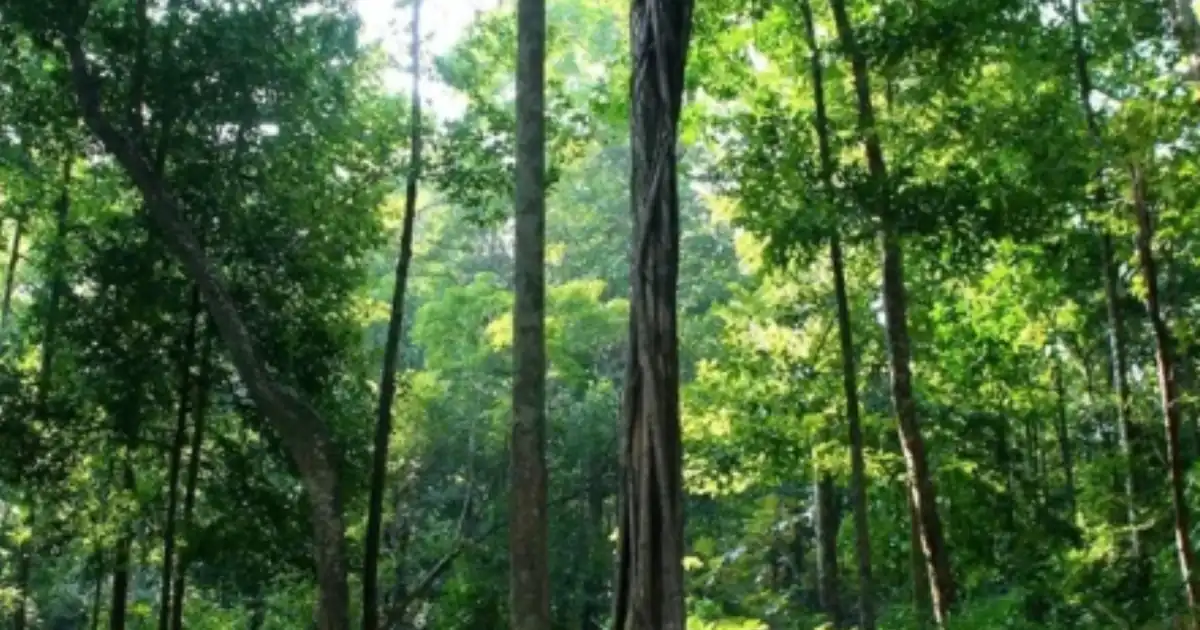
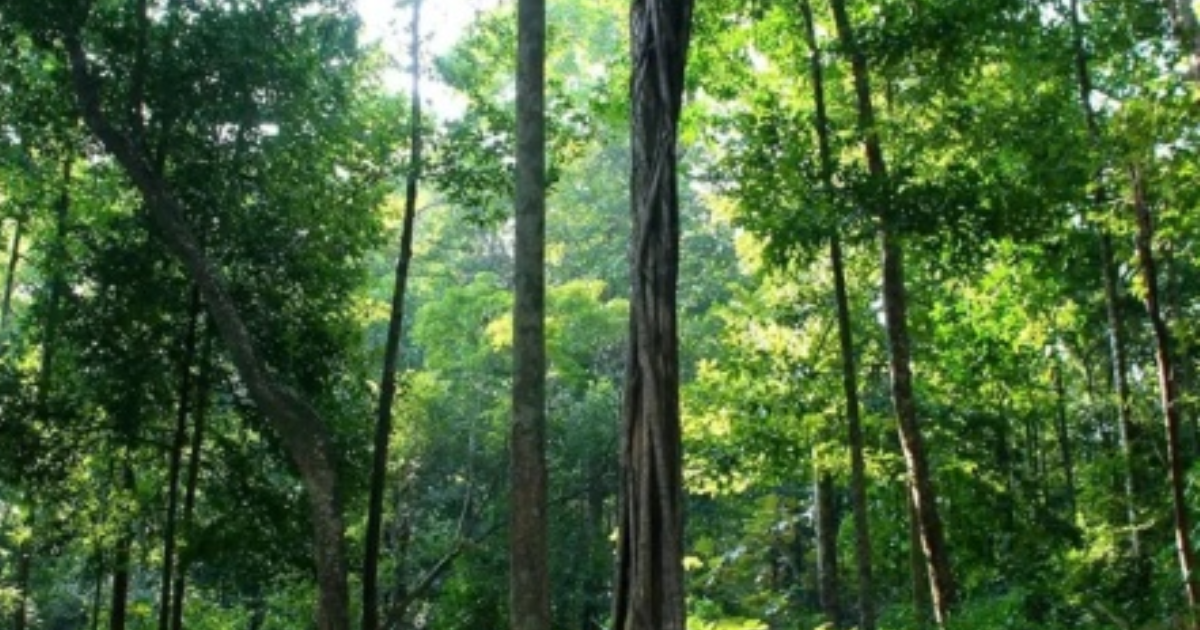
Raimona National Park is one of Assam's newest national parks, located in the Kokrajhar district within the Bodoland Territorial Region (BTR). Situated at the foothills of the Eastern Himalayas, it forms an important part of a transboundary conservation landscape shared by India and Bhutan.
Firing Incident at Raimona National Park Puts Focus on Assam's Youngest Tiger-Landscape Park
A firing incident at Raimona National Park in Kokrajhar district sparked tension in the region after a man suspected of involvement in illegal deforestation was allegedly shot by forest personnel, with the incident taking place in the Athiabari Range of the park, a protected forest area along the India–Bhutan border. The deceased has been identified as Phungkha Basumatary, a 29-year-old resident of 2 No. Moinaguri village, who had been missing since around 3 pm on July 28 after allegedly entering the forest to cut trees in the Sarlapara area. Reports suggest he was intercepted by forest guards from the Athiabari Forest Outpost while allegedly felling trees inside the protected area, and that during the ensuing confrontation, forest personnel opened fire, resulting in his death, with the body later recovered from near the Sarlapara Picnic Spot within the Raimona Forest Area.
"Sources said that Phungkha and his companions were intercepted by forest guards from the Athiabari Forest Outpost. He was subsequently shot after they tried to attack the guards with sharp weapons."
Accounts of the incident differ somewhat: while forest department sources describe an altercation in which guards used force after being attacked, family members have alleged that Basumatary had merely gone into the forest to collect firewood, and that he was shot after being intercepted. This divergence has understandably fuelled tension in the nearby Sarlpara area, with local residents raising questions about the circumstances that led forest officials to use lethal force. The episode is not an isolated one for the park — earlier operations at Raimona have also seen forest personnel apprehend suspected poachers and wildlife offenders during routine anti-poaching patrols, underscoring the recurring friction between conservation enforcement and local communities dependent on forest resources.
Location and Geography
Raimona National Park lies in the Kokrajhar district of Assam, within the Bodoland Territorial Region, along the India-Bhutan border at the foothills of the Eastern Himalayas. Together with the Phibsoo Wildlife Sanctuary in Bhutan and the Buxa Tiger Reserve in West Bengal, it forms a fairly large transboundary conservation landscape spanning more than 2,400 square kilometres. Within Assam, the park itself falls under the Kachugaon Forest Division and is organised into four ranges — the Eastern (Athiabari) range, the Sanfan range, the Kochugaon Central range, and the Western (Raimona) range. Three rivers frame its boundaries: the Sankosh River runs along its western edge, the Saralbhanga River defines the eastern side, and the Pekua River marks the southern boundary.
Flora and Fauna
The park's vegetation is notably rich and varied, encompassing numerous orchid species, tropical rainforest vegetation, riverine grasslands, extensive bamboo stands, and several wetland ecosystems. Its faunal diversity is equally significant: Raimona is home to the endangered Golden Langur, a primate species that has become something of a mascot for the Bodoland region, alongside elephants, Bengal tigers, wild bison, white-spotted deer, clouded leopards, and wild buffalo. The park has also recorded four to five hornbill species, 170 species of birds, and more than 150 species of butterflies, making it one of Assam's more ecologically significant protected landscapes despite its comparatively recent formal recognition.
Significance and the Underlying Tension
Raimona occupies an unusual position among India's protected areas — it was declared a national park only in June 2021, making it one of the country's newer additions to this category, yet it already anchors a transboundary conservation corridor of considerable ecological importance connecting India and Bhutan. This latest incident highlights a persistent challenge facing such frontier conservation landscapes: enforcement personnel operating in remote, border-adjacent terrain must balance the protection of biodiversity and forest cover against the livelihood pressures faced by nearby communities, some of whom depend on informal access to forest resources such as timber and firewood. Where that balance breaks down, the result can be exactly the kind of fatal confrontation seen here, one that raises difficult questions about the proportionality of enforcement action even as it draws attention back to the genuine threat of illegal logging inside protected areas.
Conclusion
The firing at Athiabari Range is, at once, a human tragedy, a law-and-order concern for local authorities, and a reminder of the layered pressures facing India's forest management apparatus in ecologically sensitive, transboundary regions like Raimona. As investigations into the circumstances of Basumatary's death proceed, the incident is likely to renew scrutiny of the training, accountability, and use-of-force protocols governing forest guards operating in isolated frontier postings — even as the underlying imperative of protecting one of Assam's richest surviving conservation landscapes, home to the Golden Langur and contiguous with Bhutan's own protected forests, remains undiminished.