Sooty Bark Disease: Deadly Fungal Threat to Maple Trees Intensifies Under Hot, Dry Conditions
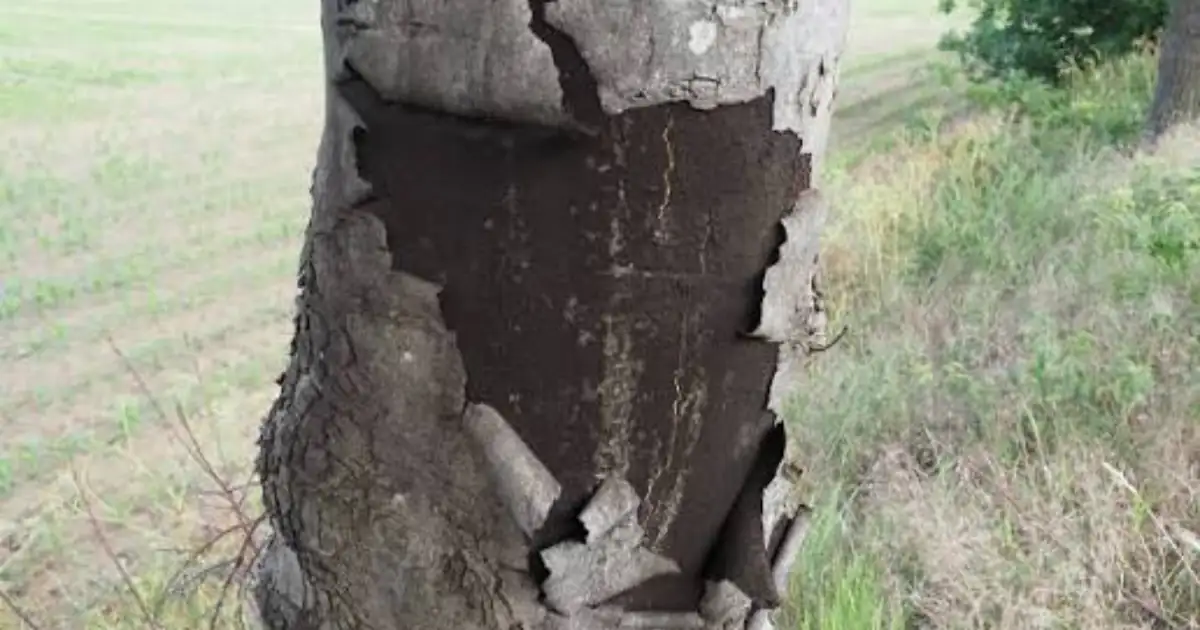
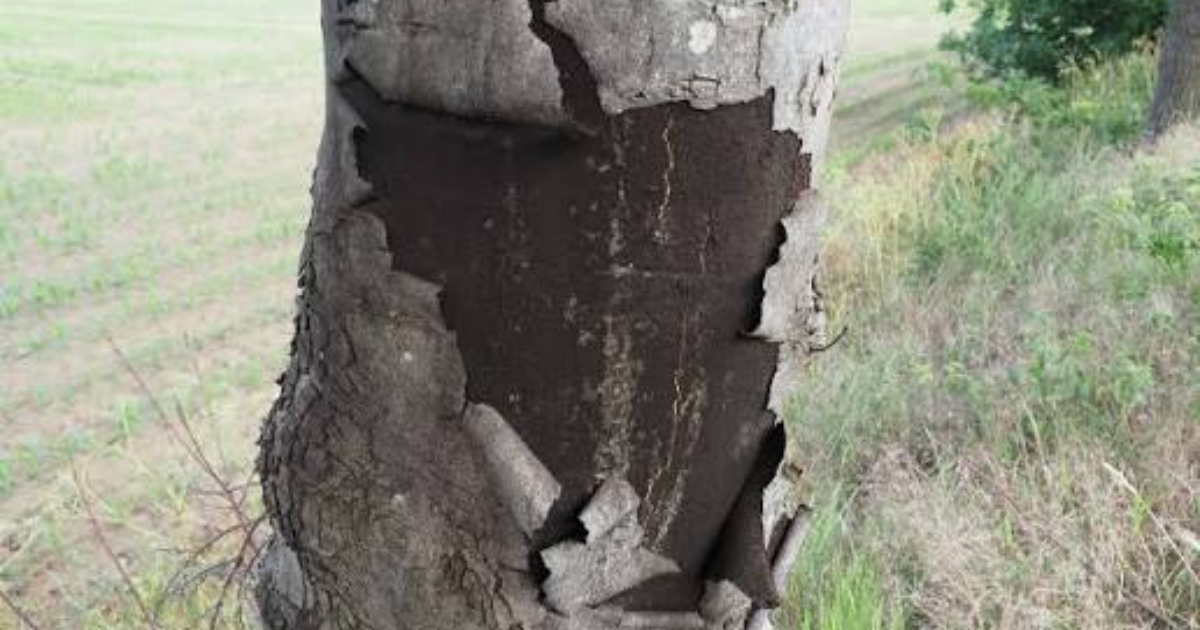
Sooty Bark Disease is a serious fungal disease of maple trees that causes rapid wilting, decline, and eventual death. It is caused by the fungus Cryptostroma corticale and is becoming more common during prolonged periods of hot and dry weather.
Sooty Bark Disease: A Growing Threat to British Columbia's Maple Trees
Maple trees across British Columbia are increasingly falling victim to sooty bark disease, and researchers are now working to understand and slow its spread across the province. The disease is caused by the fungus Cryptostroma corticale, and it produces rapid wilting and mortality in affected trees, making it a serious concern both for ornamental maples in urban settings and for BC's own native forest species.
This species is one of the most iconic deciduous trees that we have on the west coast.
That description, offered of the bigleaf maple by a Pacific Forestry Centre researcher, underscores why the disease's spread beyond ornamental European species into a native Canadian tree has raised particular alarm among forest pathologists.
Origins and Spread
The fungus is endemic to the Great Lakes region of North America, where it coexists with native maples such as the sugar maple without generally causing disease, yet it behaves as an introduced, invasive pathogen in Europe, where it has been driving significant mortality in sycamore maple for decades. Its arrival on Canada's west coast is comparatively recent: sooty bark disease was first detected in Washington State in 2017 and confirmed in British Columbia for the first time in the summer of 2022, when it appeared on a sycamore maple near Vancouver. Since then, it has been identified on Norway maple and, notably, on bigleaf maple — Canada's largest native maple species — marking its jump from ornamental to native host trees within the province.
How the Disease Operates
What makes sooty bark disease especially difficult to manage is its capacity to lie dormant and undetected inside a tree, sometimes for years or even decades, before switching to an active, disease-causing state. The trigger for this switch is heat and drought stress: once a tree experiences prolonged hot, dry conditions, the fungus can become active and kill the tree in as little as three years. The disease is most often noticed only after periods of hot weather, when extensive black, sooty patches of concentrated fungal spores are revealed beneath the bark of affected trees — the discolouration that gives the disease its name.
British Columbia's own experience illustrates this trigger mechanism vividly. The unprecedented 2021 Pacific heat dome, followed by a hundred-day stretch without measurable rain in the Victoria area during the summer of 2022, appears to have created exactly the kind of compounded heat-and-drought stress that flips the fungus from a benign, dormant presence into an active killer. Researchers anticipate that as BC continues to experience more frequent and extreme summer droughts and heat events, cases of sooty bark disease are likely to keep rising.
Human Health Implications
Beyond its effect on trees, sooty bark disease carries a genuine human health dimension. Inhalation of Cryptostroma corticale spores over extended periods can cause a respiratory condition in humans, sometimes referred to as maple bark disease, involving chronic inflammation of the airways and lungs caused by an excessive immune response. Most people recover fully once exposure ends, but prolonged, heavy exposure can, in more serious cases, contribute to lung fibrosis and lasting loss of lung function — a risk that falls disproportionately on forestry workers, arborists, and others who handle infected wood directly.
The Absence of Control Measures
Perhaps the most sobering feature of sooty bark disease is that there is currently no control that exists for it. Once a tree's dormant fungal load is triggered into activity by heat and drought, there is no established treatment to halt its progression or save the tree. This leaves researchers and forest managers largely confined to monitoring, early detection, and risk-reduction strategies — such as identifying and removing severely stressed trees before they become spore sources, or improving tree health broadly to reduce susceptibility — rather than any direct cure.
Conclusion
Sooty bark disease exemplifies a broader pattern increasingly visible across forest ecosystems worldwide: a long-dormant, opportunistic pathogen turned lethal by the compounding stresses of a changing climate. Its migration from a largely harmless resident of Great Lakes forests to an aggressive killer of both ornamental and native maples on Canada's west coast shows how climate-driven heat and drought can convert previously stable host-pathogen relationships into active disease outbreaks. With no cure currently available, the priority for researchers in British Columbia lies in tracking the disease's spread, understanding which environmental thresholds trigger its activation, and building resilience into maple populations before more of the province's iconic trees, including the bigleaf maple, are lost.