Danube River: Europe’s Second-Longest River and a Vital Trans-European Waterway
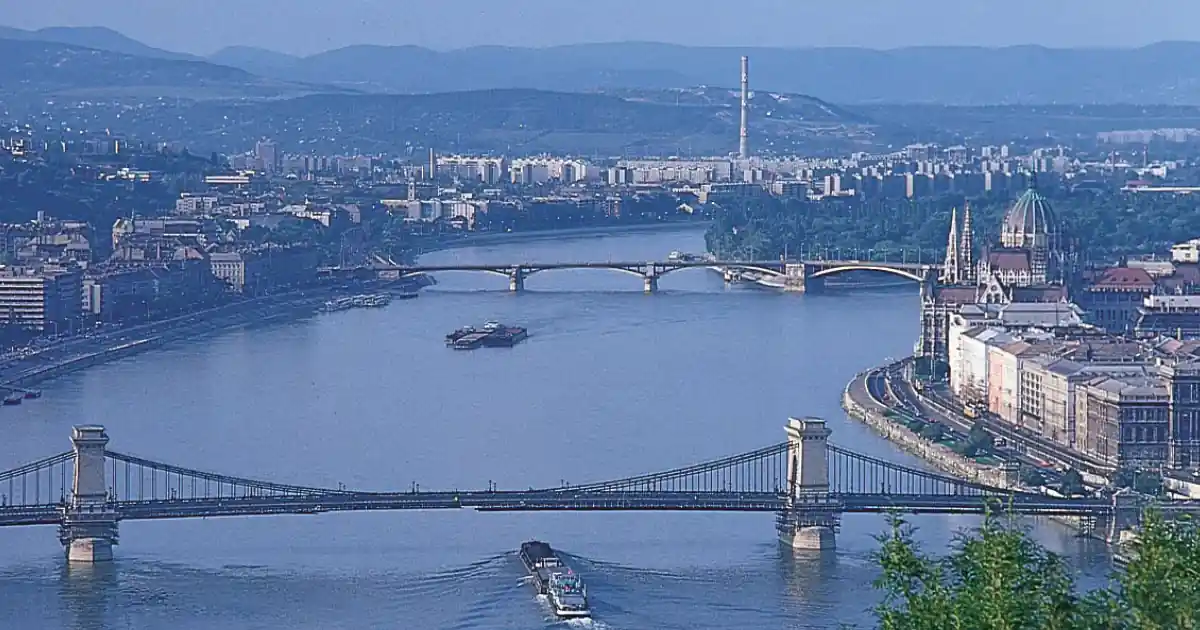
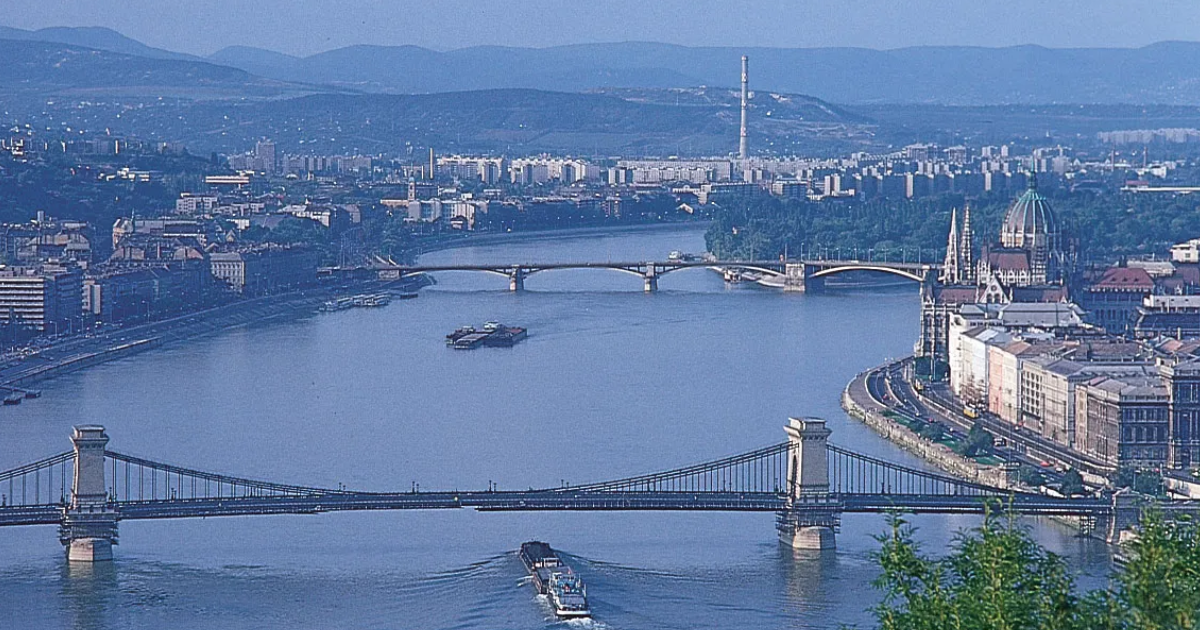
The Danube River is the second-longest river in Europe, after the Volga River. Flowing across Central and Eastern Europe, it serves as an important international waterway, supports rich biodiversity, and has played a significant role in the continent's history, trade, and cultural development.
Mammoth Remains Surface in Bulgaria as the Danube Hits Record Lows
The remains of what historians believe is an ancient mammoth have been revealed in northern Bulgaria after the Danube River's water level receded to a record low, with the discovery reported near the village of Ryahovo in the Slivo pole municipality. The find was made by a local resident who noticed the unusual object on the exposed riverbed, after which villagers alerted specialists at the Regional History Museum in the nearby town of Ruse. Experts sent to examine the site were able to identify a lower jaw, two tusks, and possibly a mammoth rib, with the remains scheduled to be removed for further examination to establish their precise origin and age.
"I would not call it a sensation, but any discovery of such ancient remains is very important for science."
This measured assessment from Nikolay Nenov, Director of the Ruse Regional History Museum, reflects both scientific caution and genuine interest — while such finds are not unprecedented in the region, each one adds to the understanding of the area's prehistoric ecology. Nenov noted that the discovery site is long believed to have been a swamp, where the animal likely died thousands of years ago, and added that the preliminary hypothesis is that the remains were not carried to the spot by the river's current, suggesting the animal may have perished close to where it was found. Numerous similar finds have previously emerged from river sediments in the area, some recovered using dredging equipment, indicating that the riverbed near Ryahovo may hold a broader concentration of prehistoric remains.
Why the Remains Surfaced Now
The exposure of the remains is directly tied to an unusually severe hydrological event: prolonged heat waves and drought conditions across Europe this summer have pushed Danube water levels to record lows, a pattern that has also affected other major European rivers such as the Rhine. Falling river levels of this kind have periodically exposed not only prehistoric remains but also historical artefacts elsewhere along the Danube, including old shipwrecks in Serbia and Croatia, underscoring how extreme drought conditions are increasingly acting as an unintentional archive-opener for the region's buried past.
About the Danube River
The Danube is the second-longest river in Europe after Russia's Volga, running for 2,850 km from the confluence of the Brigach and Breg rivers near the German town of Donaueschingen in the Black Forest. Over its course, it flows through ten European nations — Germany, Austria, Hungary, Serbia, Bulgaria, Croatia, Slovakia, Moldova, Ukraine, and Romania — before draining into the Black Sea through the Danube Delta. The delta itself, located in Romania's Tulcea County, spans roughly 4,300 sq km, is a UNESCO World Heritage Site prized for its rich biodiversity, and continues to grow at a rate of 24 to 30 metres a year as sediment pushes its boundary further into the sea. Major tributaries feeding the river include the Inn, Drava, Sava, Tisza, Prut, and Siret, and its course runs directly through four national capitals — Vienna, Bratislava, Budapest, and Belgrade — making it one of the most politically and economically significant rivers on the continent.
A River Shaped by History and Trade
The Danube's role as a corridor of civilisation stretches back millennia: Greek sailors began exploring it as early as the 600s BCE, and it later served as the northern frontier of the Roman Empire, with successive empires controlling its banks over the centuries as trade along the river intensified. Its significance to the settlement and political development of central and southeastern Europe is difficult to overstate, and a mid-nineteenth-century agreement opened the river to shipping by all nations, cementing its status as a shared commercial artery linking ports such as Belgrade, Budapest, Vienna, and Regensburg. Today, through the Rhine-Main-Danube Canal, the river links the North Sea at Rotterdam to the Black Sea at Sulina, forming a continuous 3,500 km trans-European inland waterway.
Conclusion
The emergence of these mammoth remains near Ryahovo is a small but evocative reminder that Europe's rivers are as much archives of deep time as they are arteries of modern trade and history. Even as the Danube's dropping levels this summer signal a worrying pattern of drought stress affecting the continent's waterways, the exposed riverbed has, almost as compensation, opened a window into a much older chapter of the region's ecological past — one where the same landscape that once shaped Greek trade routes and Roman frontiers also sheltered the swamps in which Ice Age giants met their end. As specialists work to recover and date the remains, the discovery adds one more data point to a river whose layered history — geological, prehistoric, and human — continues to surface in unexpected ways.