
CBI Director Selection Committee
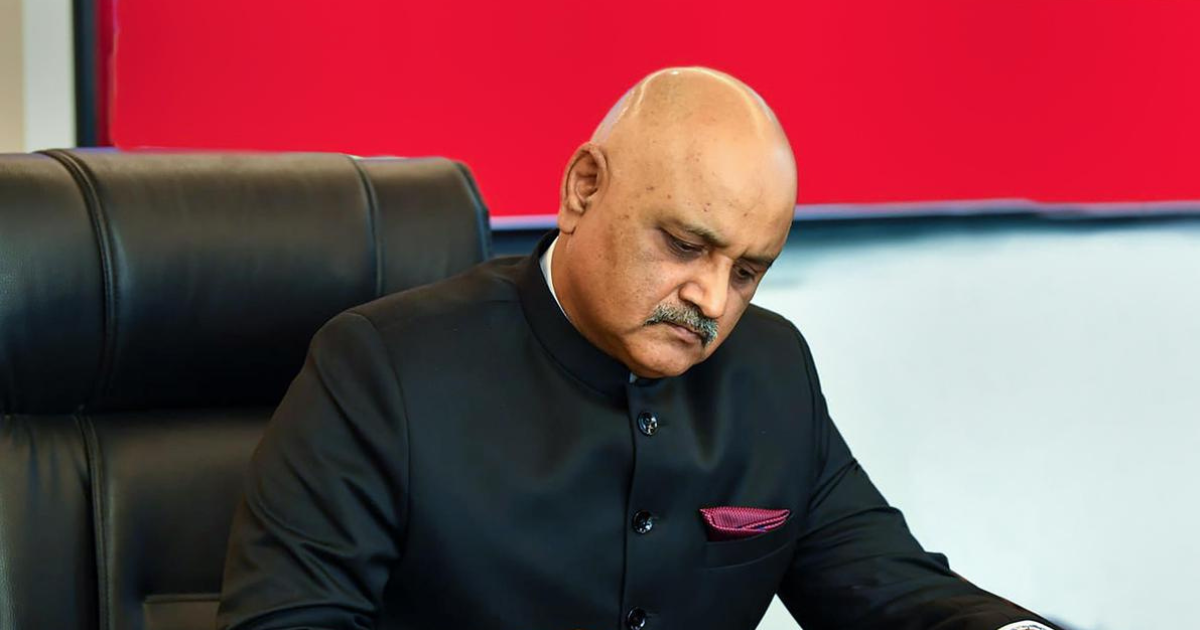
The appointment of the Central Bureau of Investigation (CBI) Director in India is carried out through a high-level selection process designed to ensure independence, transparency, and institutional integrity. Recently, the Leader of Opposition recorded dissent on the selection of the next CBI chief, highlighting the importance and sensitivity of this appointment.
CBI Director Selection Committee
The selection of the Director of the Central Bureau of Investigation is governed by statutory provisions to ensure independence, transparency, and institutional credibility.
Recent developments, including dissent by the Leader of Opposition in the selection process, highlight the importance of consensus in high-level investigative appointments.
Legal Basis
The appointment is made under Section 4A of the Delhi Special Police Establishment (DSPE) Act, 1946.
Composition of the Selection Committee
The CBI Director is appointed by the Central Government based on the recommendation of a 3-member selection committee:
1. Prime Minister
Chairperson of the committee
Represents the executive branch
2. Chief Justice of India (CJI)
Or a Supreme Court judge nominated by the CJI
Represents judicial oversight
3. Leader of Opposition (LoP), Lok Sabha
Or leader of the single largest opposition party (if LoP is not officially recognized)
Represents parliamentary opposition and accountability
“The inclusion of the judiciary and opposition ensures institutional balance in investigative appointments.”
Tenure of CBI Director
Fixed tenure: 2 years
Extension: Up to 1 additional year at a time
Maximum possible extension: 3 years total
Key Features of the Selection Process
1. Collegium-Like Structure
Mix of executive, judiciary, and opposition representation
Designed to reduce political interference
2. Fixed Tenure Protection
Ensures stability in leadership
Protects director from arbitrary removal
3. Statutory Safeguards
Governed by DSPE Act, 1946
Strengthened by judicial interpretations and reforms
Role of Leader of Opposition
Importance
Represents democratic accountability
Ensures transparency in selection
Acts as a check on executive dominance
Recent Concern
Dissent by the LoP indicates lack of consensus in selection
Raises concerns over:
Transparency
Institutional independence
Political neutrality of CBI
Importance of CBI Director Selection Committee
1. Institutional Independence
Protects CBI from political influence
Ensures fair investigation of high-profile cases
2. Rule of Law
Strengthens credibility of investigations
Reinforces public trust in justice system
3. Democratic Accountability
Balanced participation of executive, judiciary, and opposition
“Investigative agencies derive legitimacy from independence and fairness, not control.”
Challenges in the Selection Process
1. Political Disagreements
Divergence between ruling government and opposition
2. Institutional Tensions
Differences in opinion among committee members
3. Perception Issues
Questions over neutrality of investigative agencies
4. Lack of Consensus Mechanism
No mandatory unanimity requirement in the Act
Importance of CBI Independence
The Central Bureau of Investigation is India’s premier investigative agency dealing with:
Corruption cases
Economic offences
High-profile criminal investigations
Independence ensures:
Fair investigations
Public confidence
Rule of law enforcement
Way Forward
1. Strengthen Consensus Mechanism
Encourage greater agreement within selection committee
2. Institutional Safeguards
Further insulate CBI from political pressure
3. Transparent Procedures
Clear criteria for selection
Documented decision-making process
4. Judicial Oversight
Continued role of judiciary in safeguarding independence
5. Depoliticisation of Investigations
Reduce political influence in investigative agencies
“The credibility of investigative institutions depends on perceived neutrality and actual independence.”
Conclusion
The CBI Director Selection Committee, established under the DSPE Act, 1946, is designed to ensure balanced and transparent appointment of the agency’s head. However, recent dissent in the selection process highlights ongoing challenges related to consensus-building, institutional independence, and political neutrality. Strengthening these mechanisms is essential to preserve public trust in the investigative system and uphold the rule of law.