Smooth-Coated Otter Population Found Thriving in Mettur Dam–Cauvery Stretch, Conservation Urged

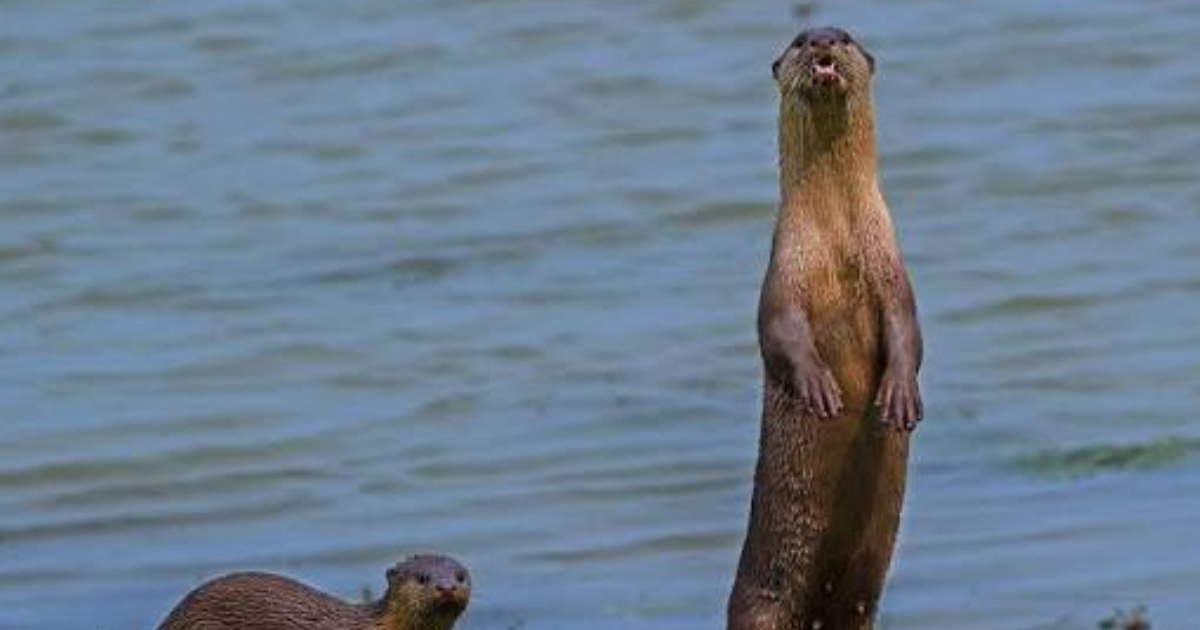
The Smooth-coated Otter (Lutrogale perspicillata) is the largest otter species in South and Southeast Asia and the only living species of the genus Lutrogale. A recent study has recorded a significant population in the Mettur Dam and Cauvery River stretches of Salem district, Tamil Nadu, highlighting the need to protect these freshwater ecosystems.
Smooth-Coated Otters Found Thriving in Mettur Dam and Cauvery Stretches of Salem District
A recent study has identified evidence of a significant smooth-coated otter population inhabiting the Mettur dam and adjoining Cauvery River stretches within Salem district, a finding that has prompted researchers to call for the area to be declared a protected freshwater habitat. Mettur Dam itself, built between 1925 and 1934 across the Kaveri River as it enters the plains, is among the largest dams in India and creates the Stanley Reservoir, whose extensive backwaters stretching for a considerable distance downstream appear to offer precisely the kind of undisturbed, food-rich freshwater habitat this vulnerable species depends on.
The Cauvery basin more broadly has long been recognised as important otter country. Populations of smooth-coated otters have already been documented at other points along the river, including within the Cauvery Wildlife Sanctuary further south, where sizeable numbers persist amid nearly contiguous riparian forest that also supports muggers, softshell turtles, and grizzled giant squirrels giving a sense of the kind of ecologically rich neighbourhood this species tends to keep. The identification of a similarly significant population around Mettur and Salem extends this known range and adds a new node of ecological importance to the Cauvery system.
About the Smooth-Coated Otter
The smooth-coated otter is the sole extant representative of the genus Lutrogale, distinguished by its rounded head, prominent bare nose, flattened tail, webbed feet, and strong, dexterous paws armed with sharp claws. It is found across southern and Southeast Asia, China, and India, with a small isolated population also present in Iraq. The species favours lowland habitats — coastal mangrove forests, peat swamp forests, freshwater wetlands, large forested rivers, lakes, and even rice paddies — and while it is a capable swimmer, it is equally at home on land, able to travel considerable distances overland in search of a suitable new habitat when conditions demand it.
"Adapted for water, smooth-coated otters are equally comfortable on land and can travel long distances overland in search of suitable habitat."
This dual comfort with land and water is part of what makes the species such an effective coloniser of new stretches of river habitat, provided the underlying ecological conditions — clean water, healthy fish stocks, and suitable banks for denning are in place.
Physical Features and Behaviour
As the largest otter species found in Southeast Asia, the smooth-coated otter carries fur that is notably smoother and shorter than that of related otter species, coloured light to dark brown along the back and lighter, almost grey along the underside. This coat combines short, tightly packed underfur with longer, water-repellent guard hairs, an arrangement well suited to a semi-aquatic lifestyle spent moving between water and land. The species is a strong swimmer and a cooperative hunter, often fishing in coordinated groups that travel upstream in a distinctive V-formation — a strategy that allows the group to corral fish more effectively than any individual could manage alone.
Threats to the Species
Despite its adaptability, the smooth-coated otter faces mounting pressure from habitat loss and habitat degradation, much of it driven by water pollution from agricultural fertilisers and pesticides that seep into the rivers and wetlands it depends on. Poaching adds a further layer of threat. These pressures are compounded in dammed and heavily used river systems like the Cauvery, where competing demands for water, fish, and riverbank space from agriculture, industry, and fishing communities can squeeze the otter's available habitat considerably. The species is currently listed as Vulnerable on the IUCN Red List, a status that reflects this ongoing combination of habitat pressure and direct persecution across much of its range.
Why Protection Matters Here
The call to designate the Mettur–Salem stretch as a protected freshwater habitat reflects a broader ecological logic: smooth-coated otters function as keystone species and reliable indicators of wetland health, since their sustained presence in meaningful numbers signals that the underlying river system still supports the fish populations, clean water, and undisturbed banks the species requires. A significant population persisting in a dam-backed reservoir stretch is itself notable, since reservoirs typically represent a shift from a flowing, dynamic river ecosystem to a still, less productive one — a change that has been shown elsewhere to depress otter populations over time. That the Mettur stretch appears to be supporting a healthy population despite this transformation makes the case for formal protection all the more compelling, since safeguarding the area now could help preserve one of the more resilient otter strongholds along the wider Cauvery system.
Conclusion
The discovery of a significant smooth-coated otter population around Mettur dam and its adjoining Cauvery stretches adds an important new data point to the ecological map of Tamil Nadu's river systems, reinforcing the Cauvery's standing as one of India's most important freshwater habitats for this vulnerable species. Formal protection of the area would not only safeguard the otters themselves but would also help preserve the broader riverine ecosystem — fish stocks, riverbank vegetation, and water quality — on which both the otters and the human communities along the river ultimately depend. As pressures from pollution, damming, and competing water use continue to mount across the Cauvery basin, timely conservation action in newly identified strongholds like this one may prove decisive for the species' long-term survival in the region.