
PD-1 inhibitors
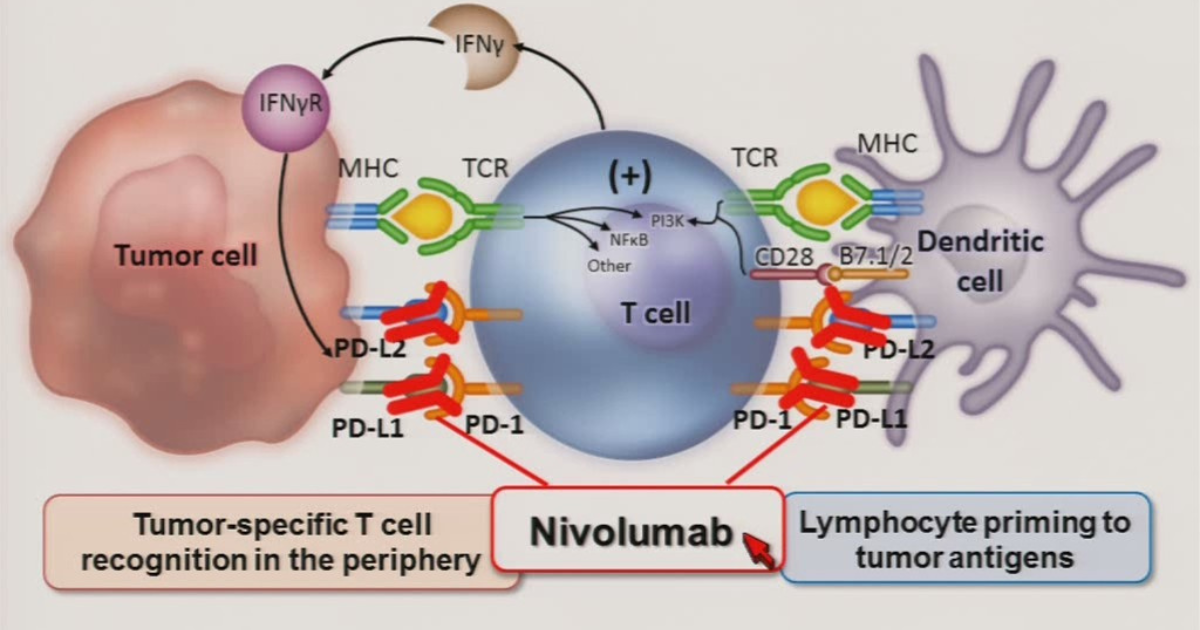
PD-1 inhibitors are a class of modern cancer immunotherapy drugs that work by enhancing the body’s immune response against cancer cells. PD-1 stands for Programmed Cell Death Protein-1, a checkpoint protein found on the surface of T-cells (immune cells). In normal conditions, this protein acts as a “brake” on the immune system to prevent excessive immune reactions that could damage healthy tissues
PD-1 Inhibitors
Recent scientific findings suggest that PD-1 inhibitors may increase the permeability of the blood–brain barrier, potentially improving drug delivery to the brain for certain diseases, including cancer.
These drugs are an important part of modern immunotherapy, especially in oncology.
What is PD-1?
PD-1 (Programmed Cell Death Protein-1)
A protein found on the surface of immune cells (T-cells).
Acts as an “immune checkpoint” that prevents over-activation of the immune system.
Function
When PD-1 binds to its ligands (PD-L1/PD-L2), it:
Reduces immune response
Prevents T-cells from attacking other cells aggressively
“PD-1 acts as a brake on the immune system to prevent excessive immune activation.”
What are PD-1 Inhibitors?
Definition
PD-1 inhibitors are drugs that block the PD-1 protein, thereby releasing the “brake” on the immune system.
Mechanism of Action
Cancer cells use PD-1 pathway to evade immune detection
PD-1 inhibitors block this pathway
T-cells become active again
Immune system attacks cancer cells
Immune Checkpoint Inhibitors
What are they?
Immune checkpoint inhibitors are a class of drugs that block checkpoint proteins.
Types of checkpoint proteins
PD-1 (Programmed Death-1)
PD-L1 (Programmed Death-Ligand 1)
CTLA-4 (Cytotoxic T-Lymphocyte Antigen 4)
Nature of Drugs
Monoclonal antibodies
Lab-made proteins
Designed to target specific immune checkpoints
“Checkpoint inhibitors remove the biological brakes that limit immune system activity against cancer.”
Immunotherapy
Meaning
Immunotherapy refers to treatments that enhance or modify the immune system to fight diseases, especially cancer.
Types of Immunotherapy
Checkpoint inhibitors (like PD-1 inhibitors)
CAR-T cell therapy
Cancer vaccines
Cytokine therapy
Advantage
Targets cancer cells specifically
Reduces damage to healthy cells compared to chemotherapy
Blood–Brain Barrier (BBB)
Meaning
The blood–brain barrier is a protective layer that:
Separates blood from brain tissue
Prevents toxins and pathogens from entering the brain
Significance of New Finding
Scientists have observed that PD-1 inhibitors may:
Increase BBB permeability
Allow better drug penetration into the brain
Improve treatment of brain tumors or metastasis
“The ability to cross the blood–brain barrier remains one of the biggest challenges in neurological drug delivery.”
Medical Importance of PD-1 Inhibitors
Cancer Treatment Applications
Melanoma
Lung cancer
Kidney cancer
Head and neck cancers
Benefits
Enhances immune response against tumors
Provides long-lasting treatment effects in some cases
Offers new hope for advanced-stage cancers
Limitations
Not effective in all patients
May cause immune-related side effects
Expensive treatment
Side Effects of PD-1 Inhibitors
Immune-Related Effects
Skin rashes
Fatigue
Inflammation of organs (lungs, liver, colon)
Autoimmune reactions
Research Significance of BBB Finding
Potential Impact
Better treatment of brain cancers
Improved drug delivery systems
New neurological applications
Scientific Importance
Bridges oncology and neuroscience
Expands use of immunotherapy beyond traditional cancer sites
“Breaking the blood–brain barrier safely could transform treatment of brain diseases.”
Challenges
Scientific Challenges
Controlled permeability of BBB
Avoiding brain inflammation
Medical Challenges
Managing immune side effects
Identifying suitable patients
Economic Challenges
High cost of immunotherapy drugs
Way Forward
1. Advanced Drug Delivery Systems
Nanotechnology-based carriers
Targeted delivery mechanisms
2. Precision Medicine
Genetic profiling of tumors
Personalized immunotherapy
3. Further Clinical Trials
Safety of BBB permeability effects
Long-term outcomes
4. Integration with Other Therapies
Combination with chemotherapy or radiation
Conclusion
PD-1 inhibitors represent a major breakthrough in cancer immunotherapy by enabling the immune system to target cancer cells more effectively. Recent findings suggesting their ability to influence the blood–brain barrier open new possibilities for treating brain-related cancers and neurological conditions. However, further research is needed to ensure safety, optimize delivery, and manage immune-related side effects.