
Global Report on Internal Displacement 2026
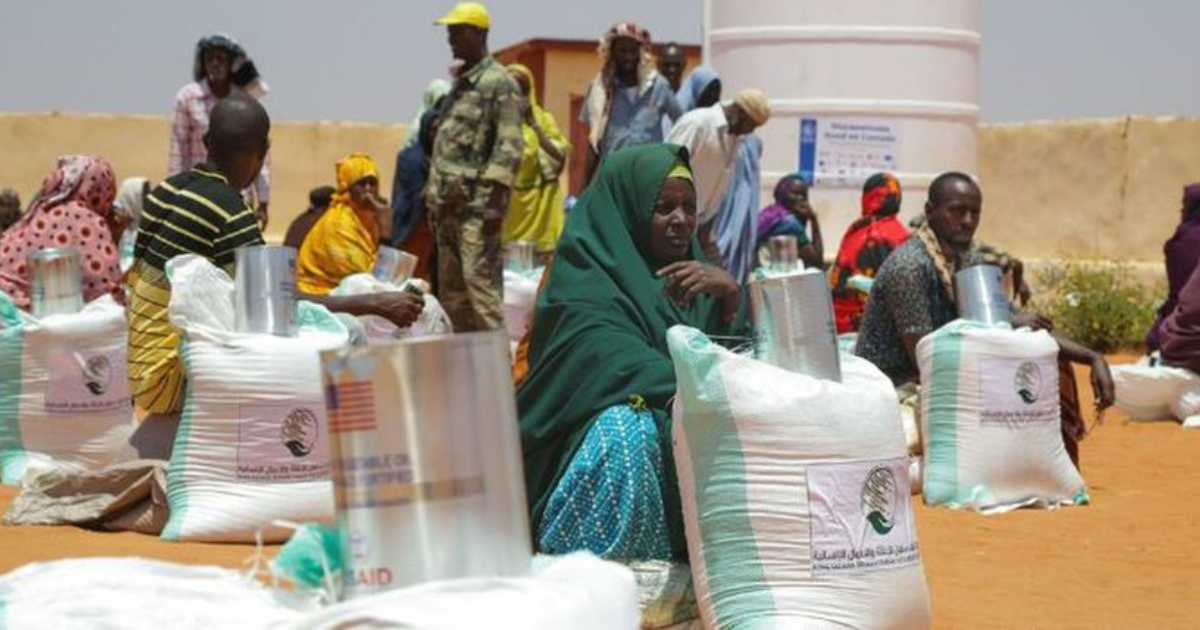
The Global Report on Internal Displacement 2026, released by the Internal Displacement Monitoring Centre (IDMC) in collaboration with the Norwegian Refugee Council (NRC), presents a concerning picture of rising forced displacement worldwide.
Global Report on Internal Displacement 2026
The Global Report on Internal Displacement 2026 has been released by the Internal Displacement Monitoring Centre in collaboration with the Norwegian Refugee Council.
The report highlights a sharp rise in forced internal displacement due to conflicts, violence, and climate-related disasters.
About Internal Displacement
Meaning
Internal displacement refers to situations where:
People are forced to flee their homes
They remain within their own country
They are not recognized as refugees under international law
“Internally displaced persons (IDPs) remain within national borders but lose homes, livelihoods, and security.”
Key Highlights of the Report (2026)
1. Scale of Displacement
Over 82 million people were internally displaced across 104 countries by 2025.
2. Main Drivers
Conflict and Violence
Accounted for 68.6 million displaced people
Far higher than disaster-related displacement
Disasters
Floods
Storms
Droughts
Wildfires
These contributed significantly but less than conflict-driven displacement.
3. Worst-Affected Regions
The report identifies several severely impacted regions:
Sudan
State of Palestine
Iran
Democratic Republic of the Congo
Causes of Internal Displacement
1. Armed Conflict
Civil wars
Ethnic violence
Political instability
2. Natural Disasters
Climate change-induced floods
Cyclones
Droughts
Wildfires
3. Development-Induced Displacement
Large infrastructure projects
Urban expansion
Mining activities
Key Observations
1. Conflict vs Disaster Displacement
Conflict remains the dominant driver globally
Disasters are increasing due to climate change
2. Climate Change Link
Extreme weather events are increasing displacement risk
Vulnerable regions face repeated displacement cycles
“Climate change is becoming a major force multiplier of displacement risks.”
3. Prolonged Displacement
Many IDPs remain displaced for years or decades
Limited access to housing, jobs, and services
Impacts of Internal Displacement
1. Humanitarian Impact
Loss of shelter and safety
Food insecurity
Health risks
2. Social Impact
Breakdown of communities
Education disruption
Increased vulnerability of women and children
3. Economic Impact
Loss of livelihoods
Strain on host communities
Pressure on public services
4. Political Impact
Internal instability
Governance challenges
Challenges in Addressing Internal Displacement
1. Lack of Legal Protection
IDPs are not covered under refugee conventions
2. Funding Gaps
Humanitarian response remains underfunded
3. Data and Tracking Issues
Difficult to monitor long-term displacement
4. Protracted Crises
Many conflicts remain unresolved
Significance of the Report
1. Humanitarian Awareness
Highlights scale of global displacement crisis
2. Policy Guidance
Helps governments and agencies design response strategies
3. Climate Linkage
Connects displacement with climate change adaptation
4. Global Security Implications
Internal displacement can lead to regional instability
“Internal displacement is both a humanitarian crisis and a development challenge.”
Way Forward
1. Conflict Resolution
Strengthen peace-building efforts
Promote political stability
2. Climate Adaptation
Disaster-resilient infrastructure
Early warning systems
3. Strengthening Protection Systems
National policies for IDP protection
Legal recognition frameworks
4. Sustainable Development
Livelihood restoration
Housing and resettlement support
5. International Cooperation
Support from global institutions
Funding for humanitarian response
Conclusion
The Global Report on Internal Displacement 2026 by the Internal Displacement Monitoring Centre and the Norwegian Refugee Council highlights a worsening global crisis, with over 82 million people displaced within their own countries. Conflict remains the primary driver, while climate-related disasters are rapidly increasing the scale and complexity of displacement. Addressing this challenge requires coordinated global action combining peace-building, climate resilience, and strong protection systems for affected populations.