
DigiLocker
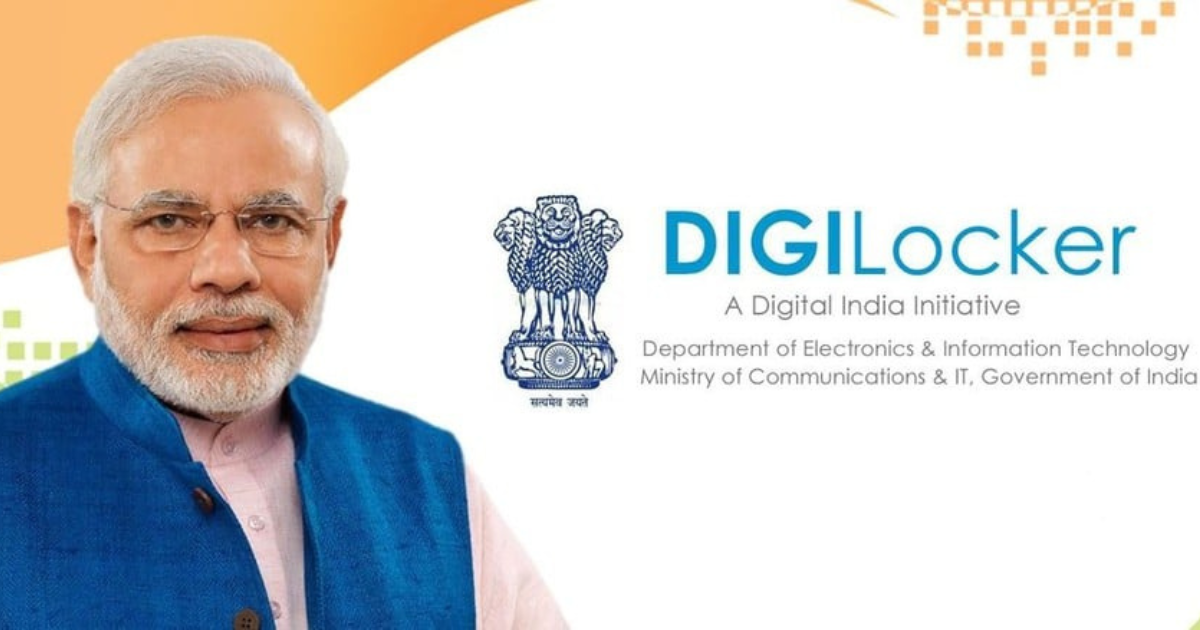
DigiLocker is a flagship digital governance initiative of the Government of India aimed at promoting paperless administration and digital empowerment of citizens.
DigiLocker
Several states, including Gujarat, were recently recognized for their strong performance in integrating and adopting DigiLocker across government services. The platform is a key pillar of India’s digital governance ecosystem.
About DigiLocker
Overview
DigiLocker is a flagship initiative under the Digital India Programme, designed to provide citizens with secure access to digital documents.
It enables a “digital document wallet” for every citizen.
Nodal Ministry
Ministry of Electronics and Information Technology
Objective
The main aim of DigiLocker is:
Digital empowerment of citizens
Paperless governance
Easy access to verified documents
Secure digital identity ecosystem
“DigiLocker transforms governance from document-heavy processes to digital-first service delivery.”
Key Features of DigiLocker
1. Digital Document Storage
Stores important documents like:
Aadhaar
Driving licence
PAN card
Educational certificates
2. Legally Valid Documents
Documents issued through DigiLocker are legally valid under IT Rules, 2016
3. Secure Access
Cloud-based secure storage
Linked with Aadhaar authentication
4. Real-Time Verification
Enables instant verification of documents by government and private agencies
5. Interoperability
Integrated with various central and state government departments
Benefits of DigiLocker
1. Paperless Governance
Reduces dependence on physical documents
Minimizes administrative paperwork
2. Faster Service Delivery
Speeds up processes in:
Education
Healthcare
Employment
Financial services
3. Cost Efficiency
Reduces printing and storage costs
Lowers administrative burden
4. Transparency and Accountability
Reduces chances of document fraud
Ensures traceable verification system
“Digital documents enhance both efficiency and transparency in governance.”
5. Citizen Convenience
Anytime, anywhere access to documents
Reduces need for physical visits to offices
Role in Digital India
Ministry of Electronics and Information Technology launched DigiLocker as part of the broader Digital India Programme to:
Promote digital infrastructure
Improve e-governance
Strengthen digital identity systems
Applications of DigiLocker
1. Education
Storage of certificates
Online verification for admissions and jobs
2. Transport
Digital driving licences
Vehicle registration certificates
3. Employment
Verification of credentials
Easy document submission in recruitment
4. Financial Services
KYC verification
Account opening processes
5. Health Sector
Storage of health records
Digital vaccination certificates
Significance of DigiLocker
1. Governance Modernization
Supports paperless administration
Enhances efficiency of public service delivery
2. Digital Inclusion
Bridges gap between citizens and government services
Promotes accessibility
3. Trust in Digital Documents
Legally valid digital records
Reduces forgery and duplication
“DigiLocker is a cornerstone of India’s digital governance ecosystem.”
Challenges
1. Digital Divide
Limited access in rural and remote areas
2. Awareness Gaps
Many citizens are unaware of its features
3. Cybersecurity Risks
Need for continuous data protection measures
4. Infrastructure Limitations
Internet connectivity issues in some regions
Way Forward
1. Expand Awareness Campaigns
Educate citizens about benefits and usage
2. Strengthen Cybersecurity
Improve encryption and data protection systems
3. Improve Digital Infrastructure
Enhance internet connectivity in rural areas
4. Integrate More Services
Expand across more government departments
5. Promote State-Level Adoption
Encourage uniform implementation across states
Conclusion
DigiLocker represents a major step toward paperless governance and citizen-centric service delivery under the Digital India initiative. Its growing adoption across states like Gujarat demonstrates its success in improving efficiency, transparency, and accessibility of government services. Strengthening awareness, cybersecurity, and infrastructure will further enhance its impact on digital governance in India.