
7th edition of Logistics Ease Across Different States (LEADS) 2025 Report Released
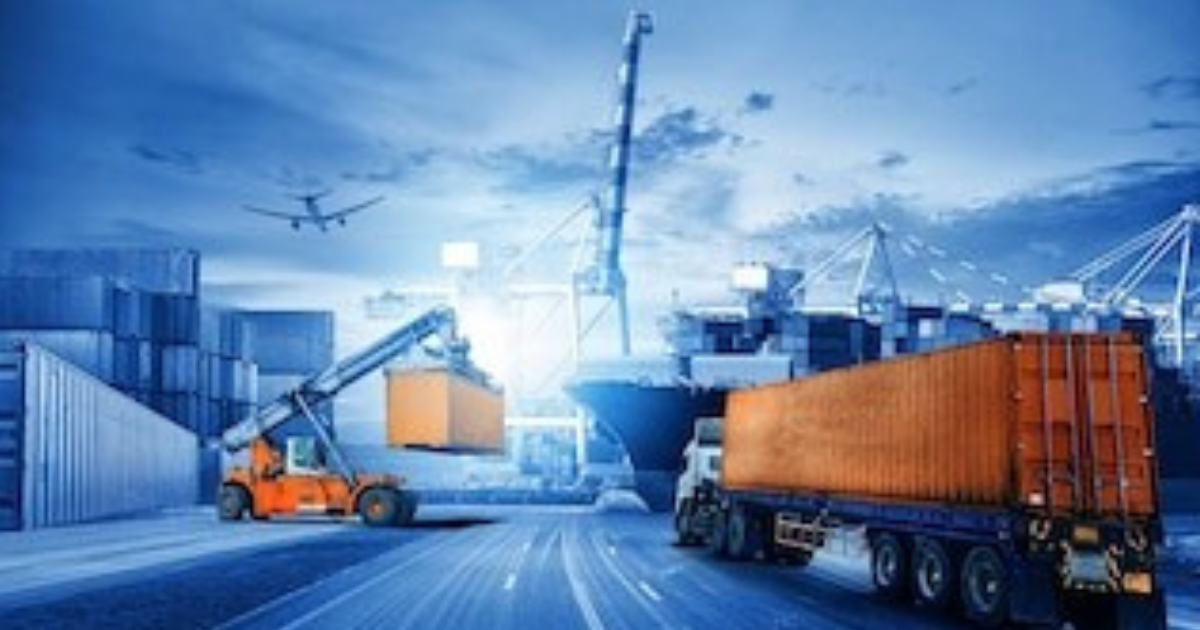
The Logistics Ease Across Different States (LEADS) is the flagship assessment framework released by the Department for Promotion of Industry and Internal Trade to evaluate logistics performance across States and Union Territories in India.
LEADS 2025 and India’s Logistics Sector
The Department for Promotion of Industry and Internal Trade released the latest edition of LEADS (Logistics Ease Across Different States and Union Territories), the flagship assessment of logistics performance across Indian States and Union Territories.
Alongside the report, the LEAPS 2025 (Logistics Excellence, Advancement and Performance Shield) awards were presented across 13 categories covering:
Core logistics
MSMEs
Startups
Special categories
About LEADS
Full Form
Logistics Ease Across Different States and Union Territories (LEADS)
Launched
Introduced in 2018
Inspiration
Conceived on the lines of the:
World Bank Logistics Performance Index (LPI)
Objective of LEADS
The assessment aims to:
Measure logistics efficiency across states and UTs
Promote competitive federalism
Improve ease of doing business
Strengthen supply chain infrastructure
“Efficient logistics systems are the backbone of economic competitiveness.”
LEADS 2025 Framework
Four-Tier Performance Framework
LEADS 2025 introduced:
A four-tier framework
Earlier editions used a three-tier framework
Assessment Methodology
LEADS uses a combination of:
1. Objective Indicators (Nearly 59% Weightage)
These include:
Regulatory support
Logistics enablers
Infrastructure readiness
2. Perception Indicators
These assess:
Logistics infrastructure
Quality of services
Sustainable logistics systems
Significance of LEADS
1. Encourages Competitive Federalism
States compete to improve logistics efficiency
2. Improves Ease of Doing Business
Efficient logistics reduce transaction costs
3. Strengthens Supply Chains
Better transport and warehousing systems
4. Supports Economic Growth
Logistics efficiency boosts trade and manufacturing
“Lower logistics costs improve global competitiveness.”
About India’s Logistics Sector
Logistics Cost in India
Current Status
Approximately 8% of GDP (2023–24)
Importance
The logistics sector supports:
Manufacturing
Agriculture
E-commerce
International trade
Key Issues in India’s Logistics Sector
1. Infrastructure Gaps
Problems
Poor road quality
Port congestion
Weak rail connectivity
2. Skewed Modal Share
Current Situation
Over 60% freight movement occurs through roads
Consequences
High fuel consumption
Traffic congestion
Increased logistics cost
3. Fragmentation of Sector
Issue
Dominance of:
Small transport operators
Unorganized logistics players
Impact
Operational inefficiency
Lack of economies of scale
4. Regulatory Complexity
Challenges
Multiple approvals
Interstate procedural barriers
5. Slow Technology Adoption
Problems
Limited digitization
Poor tracking systems
“Technology integration is essential for modern logistics ecosystems.”
Government Initiatives to Strengthen Logistics Sector
1. National Logistics Policy (NLP), 2022
Objective
Reduce logistics costs to levels comparable with developed countries.
Focus Areas
Digital integration
Process simplification
Infrastructure modernization
2. PM GatiShakti National Master Plan
Purpose
Integrated infrastructure planning for:
Roads
Railways
Ports
Airports
Objective
Enable seamless movement of:
Goods
People
Importance
Promotes multimodal connectivity.
“Integrated infrastructure planning reduces delays and logistics bottlenecks.”
3. Logistics Data Bank 2.0
Features
Integrated with:
Unified Logistics Interface Platform (ULIP)
Benefits
Provides:
Real-time shipment visibility
Better tracking for exporters and MSMEs
across:
Road
Rail
Sea transport
4. Dedicated Freight Corridors (DFCs)
Objective
Dedicated rail corridors for freight transportation.
Benefits
Faster cargo movement
Reduced congestion on passenger routes
5. SMILE Programme
Full Form
Strengthening Multimodal and Integrated Logistics Ecosystem
Objective
Improve integrated logistics infrastructure.
6. Multi-Modal Logistics Parks (MMLPs)
Purpose
Develop hubs integrating:
Warehousing
Rail
Road
Air transport
7. E-Way Bill System
Objective
Digitize movement of goods under GST framework.
Benefits
Faster interstate transport
Reduced checkpoints
8. Infrastructure Status to Logistics Sector
Importance
Enables easier access to:
Institutional finance
Investment support
9. Logistic Efficiency Enhancement Programme
Focus
Corridor-based logistics improvement
Freight optimization
Importance of Efficient Logistics
1. Trade Competitiveness
Lower transportation costs improve exports
2. Manufacturing Growth
Supports Make in India initiatives
3. Employment Generation
Logistics sector creates large-scale jobs
4. Regional Development
Better connectivity boosts rural and industrial growth
5. Sustainability
Multimodal transport reduces carbon emissions
“Efficient logistics is essential for becoming a global manufacturing and trade hub.”
Challenges Ahead
1. Financing Constraints
Large infrastructure investments required
2. Land Acquisition Delays
Slows infrastructure development
3. Coordination Issues
Multiple ministries and agencies involved
4. Technology Gaps
Need for AI, IoT, and automation adoption
Way Forward
1. Promote Multimodal Transport
Shift freight from roads to rail and waterways
2. Expand Digital Logistics Systems
Real-time data integration
AI-based logistics management
3. Strengthen Infrastructure
Ports
Warehousing
Rail connectivity
4. Simplify Regulations
Single-window clearances
Uniform compliance systems
5. Encourage Private Participation
Public-private partnerships in logistics infrastructure
“Modern logistics systems are critical for economic resilience and supply chain efficiency.”
Conclusion
LEADS 2025 reflects India’s growing focus on improving logistics efficiency through infrastructure development, digital integration, and policy reforms. Initiatives such as the National Logistics Policy, PM GatiShakti, Dedicated Freight Corridors, and Logistics Data Bank 2.0 aim to reduce logistics costs and strengthen India’s competitiveness in global trade. Building an efficient, multimodal, and technology-driven logistics ecosystem will be essential for sustaining economic growth and achieving long-term industrial transformation.