
TERI Report Outlines Roadmap to Achieve India’s 100 GW Nuclear Capacity Goal by 2047
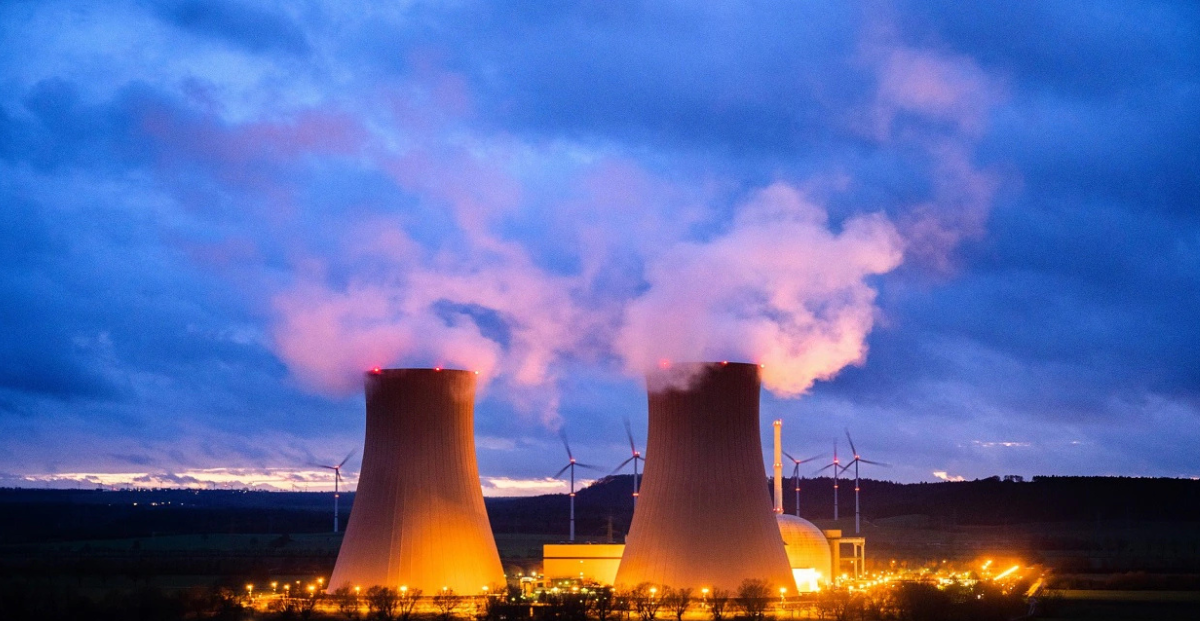
India’s nuclear energy sector is at an important stage of transformation as the country seeks to expand clean and reliable energy generation to meet growing economic and climate commitments. At present, India operates 25 nuclear reactors across seven sites with a total installed capacity of 8.8 GW.
India’s Nuclear Energy Expansion and SMR Strategy
India currently operates 25 nuclear reactors across seven sites with a total installed nuclear power capacity of 8.8 GW. Recent policy discussions and reports emphasize the need for rapid nuclear expansion to meet India’s long-term energy security, industrial growth, and climate goals.
The strategy focuses on a combination of:
Large Pressurized Heavy Water Reactors (PHWRs)
Small Modular Reactors (SMRs)
Present Nuclear Energy Status in India
Installed Capacity
25 operational nuclear reactors
Total installed capacity:
8.8 GW
Role of Nuclear Energy
Nuclear power contributes to:
Base-load electricity generation
Low-carbon energy transition
Energy security
“Reliable base-load power is essential for sustaining industrial growth and energy stability.”
Capacity Expansion Strategy
1. Large PHWRs
Role
Large Pressurized Heavy Water Reactors (PHWRs) will:
Anchor base-load electricity generation
Support large-scale grid stability
Importance
PHWR technology is already well-established in India.
2. Small Modular Reactors (SMRs)
Definition
SMRs are:
Miniaturized nuclear reactors
Generating up to 300 MWe per module
Features of SMRs
A. Modularity
Characteristics
Factory-manufactured components
Faster assembly
Lower construction time
B. Scalability
Benefits
Incremental deployment based on energy demand
Suitable for remote or industrial locations
C. Enhanced Safety
Safety Features
Passive safety systems enable:
Automatic shutdown
Reduced dependence on human intervention
“SMRs aim to make nuclear energy safer, flexible, and more economically viable.”
Importance of SMRs for India
1. Decarbonization of Hard-to-Abate Sectors
SMRs can support sectors such as:
Steel
Cement
Heavy industries
2. Energy Transition
Provides:
Clean base-load power
Reduced fossil fuel dependence
3. Industrial Competitiveness
Reliable power supply for energy-intensive industries.
Massive Investment Requirement
Estimated Capital Outlay
India may require:
₹23–25 lakh crore
for large-scale nuclear expansion.
Significance
Large infrastructure investment
Long-term strategic energy asset creation
Workforce Expansion Requirements
Estimated Workforce Need
Construction phase alone may require:
1.2–2 lakh personnel
Requirement
Large-scale:
Technical training
Specialized nuclear workforce development
“Human resource capacity is as critical as technological capability in nuclear expansion.”
Challenges Before India
1. Outdated Regulatory Framework
Problem
Existing regulations are not fully suited for:
SMR deployment
Private sector participation
2. Issues with SHANTI Act (2025)
Concerns
Lack of clarity regarding:
Operational rules
Ownership models
Financing structure
3. High Capital Costs
Estimated Cost
₹20–25 crore per MW
Impact
Financing challenges
Long payback periods
4. Fuel Import Dependence
Concern
Dependence on imported:
Uranium fuel
Nuclear technologies
5. Nuclear Waste Management
Challenges
Long-term storage
Environmental safety concerns
6. Skilled Manpower Shortage
Issue
Limited availability of:
Nuclear engineers
Reactor specialists
Radiation safety experts
7. Public Acceptance Challenges
Concerns
Safety fears
Radiation risks
Land acquisition issues
“Public trust remains essential for the future expansion of nuclear energy.”
Key Recommendations
1. Green Financing
Proposal
Include nuclear energy in India’s:
Green taxonomy
Benefit
Access to:
Global ESG capital flows
Climate finance
2. Regulatory Reforms
Recommendation
The Atomic Energy Regulatory Board should:
Adopt phased licensing
Introduce design-certified approvals
Update siting norms for SMRs
3. Clarity for Private Sector Participation
Suggested Models
PPP (Public Private Partnership)
SPV (Special Purpose Vehicle)
Proposed Structure
Private entities:
Provide capital
Nuclear Power Corporation of India Limited:
Retains operational and safety control
4. Workforce Development
Nuclear Mitra Programme
Proposed training initiative through:
ITIs
Objective
Rapid skilling for:
Reactor operations
Technical maintenance
Nuclear infrastructure development
5. National Fuel and Waste Framework
Proposal
Centralized system for:
Fuel supply
Waste management
6. Public Outreach and Awareness
Need
Transparent communication regarding:
Nuclear safety
Environmental benefits
Radiation management
“Public awareness is essential for sustainable nuclear energy expansion.”
Significance of Nuclear Expansion
1. Energy Security
Reduces fossil fuel dependence
Provides stable electricity supply
2. Climate Goals
Nuclear energy supports:
Low-carbon electricity generation
Net-zero transition
3. Industrial Growth
Supports:
Manufacturing expansion
Heavy industries
Infrastructure development
4. Strategic Autonomy
Enhances:
Indigenous energy capability
Technological self-reliance
5. Economic Development
Large investments can generate:
Employment
Industrial ecosystem growth
Technological innovation
Concerns Associated with Nuclear Energy
1. Safety Risks
Radiation leaks
Reactor accidents
2. Waste Disposal
Long-term radioactive waste management
3. High Initial Costs
Capital-intensive infrastructure
4. Long Gestation Period
Delayed project completion
5. Environmental Concerns
Thermal pollution
Land and water usage
Way Forward
1. Balanced Energy Mix
Combine renewables with nuclear base-load power
2. Indigenous Technology Development
Strengthen domestic reactor design capability
3. Expand Research & Innovation
Advanced reactors
Fusion research
Safer fuel cycles
4. International Cooperation
Technology transfer
Fuel partnerships
5. Transparent Governance
Independent regulation
Public accountability
“Nuclear energy can become a critical pillar of India’s clean energy future if supported by strong regulation, technology, and public trust.”
Conclusion
India’s nuclear expansion strategy, centered around PHWRs and emerging SMR technologies, represents an important step toward achieving long-term energy security, industrial decarbonization, and climate commitments. While significant investment, regulatory reform, workforce development, and public confidence will be necessary, nuclear energy has the potential to play a major role in India’s transition toward a secure, low-carbon, and self-reliant energy future.