
India’s Shipbuilding Sector
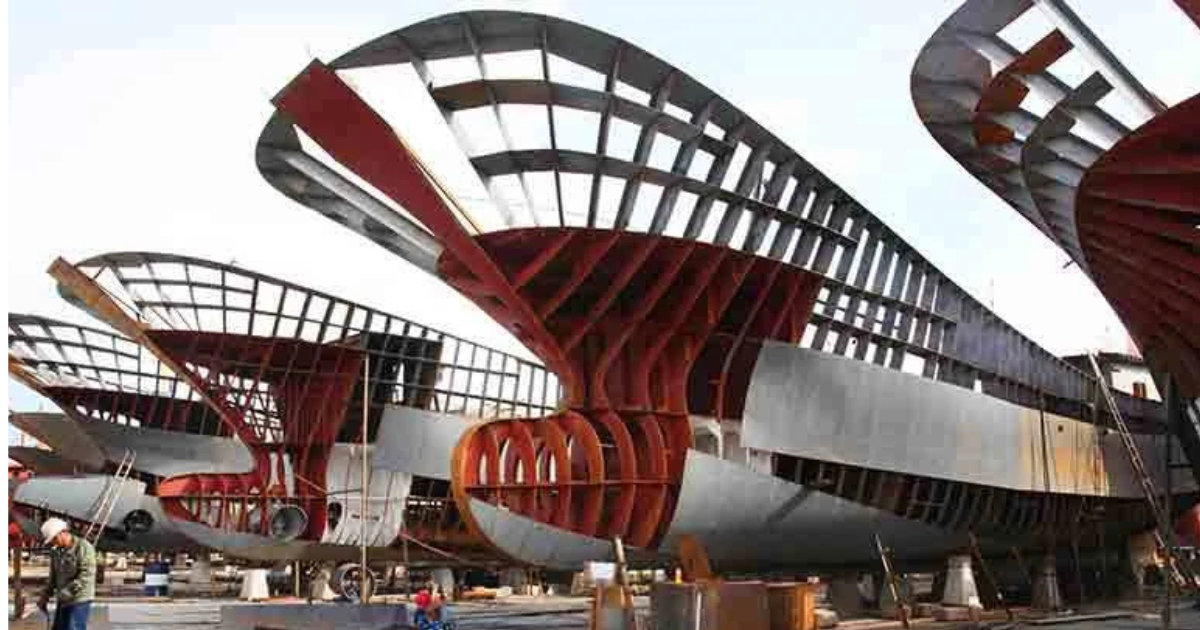
India’s shipbuilding sector is emerging as a strategically important industry in the country’s efforts to strengthen maritime infrastructure, enhance industrial capacity, and promote economic growth under the vision of “Maritime India.”
India’s Shipbuilding Sector
India and the South Korea have signed an MoU for developing India’s first Mega Greenfield Shipyard at Thoothukudi in Tamil Nadu under the India–Republic of Korea Comprehensive Framework called VOYAGES.
The proposed shipyard is expected to:
Have an annual capacity of 2.5 Million Gross Tonnage (GT)
Generate around 15,000 direct jobs
About VOYAGES
Full Form
Shared Vision for Operation of Yard Assisted Growth with Efficiency and Scale
Signed
April 2026
Objective of VOYAGES
The framework promotes India–South Korea cooperation in:
Shipbuilding
Shipping
Maritime logistics
Key Areas of Cooperation
1. Technology Transfer
Advanced shipbuilding technologies
Modern production systems
2. Green Shipbuilding
Environment-friendly ship construction
Low-emission maritime technologies
3. Skill Development
Training Indian professionals in South Korea
4. Maritime Logistics Cooperation
Port connectivity
Supply-chain modernization
“Shipbuilding capacity is closely linked with economic strength and maritime power.”
India’s First Mega Greenfield Shipyard
Location
Thoothukudi, Tamil Nadu
Key Features
Annual capacity:
2.5 Million GT
Large-scale employment generation
Advanced infrastructure development
Significance of the Project
1. Employment Generation
Estimated Jobs
Around 15,000 direct jobs
Additional Impact
Indirect employment in:
Steel
Logistics
Ancillary industries
2. Industrial Development
Promotes:
Manufacturing ecosystem
Maritime industrial clusters
3. Technology Upgradation
Access to:
South Korean expertise
Modern shipyard systems
4. Export Potential
India can emerge as:
Competitive shipbuilding hub
Maritime manufacturing center
“Modern shipyards create multiplier effects across the industrial economy.”
Overview of India’s Shipbuilding Sector
Global Standing
Current Share
India accounts for:
Less than 1% of global shipbuilding market
Comparison with Major Countries
CountryGlobal ShareChina47%South Korea25%Japan18%India<1%
Aging Indian Fleet
Current Situation
Average age of Indian fleet:
Around 21 years
Impact
Creates demand for:
Approximately 2,500 new vessels
Market Growth Potential
Sector Growth Projection
YearMarket Size2022US$90 million2033US$8.12 billion
Significance
Indicates:
Rapid expansion potential
Growing maritime demand
“India’s maritime ambitions require a strong domestic shipbuilding ecosystem.”
Importance of Shipbuilding Sector
1. Strategic Importance
Shipbuilding strengthens:
Maritime security
Naval capability
Strategic autonomy
2. Economic Importance
Supports:
Manufacturing growth
Exports
Foreign exchange earnings
3. Employment Generation
Creates jobs in:
Engineering
Welding
Logistics
Electronics
4. Trade Facilitation
A stronger shipping fleet supports:
International trade
Port-led development
5. Blue Economy Development
Shipbuilding is a key pillar of:
Maritime economy
Coastal industrialization
“Maritime strength is increasingly becoming central to global economic competitiveness.”
Challenges in India’s Shipbuilding Sector
1. High Competition from East Asia
Countries like:
China
South Korea
Japan
dominate global markets.
2. Infrastructure Constraints
Limited modern shipyards
High logistics costs
3. Financing Challenges
Capital-intensive industry
Long gestation periods
4. Technology Gaps
Need for:
Advanced ship design
Automation
Green technologies
5. Skilled Workforce Shortage
Requirement for:
Specialized maritime skills
Technical manpower
Government Initiatives for Maritime Development
1. Sagarmala Programme
Objective
Port-led economic development.
2. Maritime India Vision 2030
Focus
Modern ports
Shipbuilding
Coastal shipping
3. Shipbuilding Financial Assistance Policy
Purpose
Support domestic shipyards through incentives.
4. Green Shipping Initiatives
Promotion of:
Sustainable maritime technologies
Low-carbon shipping
Importance of Green Shipbuilding
Features
Energy-efficient vessels
Reduced emissions
Sustainable maritime operations
Global Relevance
Supports:
Climate goals
Cleaner shipping industry
“Future shipbuilding competitiveness will increasingly depend on green technologies.”
Way Forward
1. Expand Modern Shipyard Infrastructure
Mega integrated shipyards
Smart manufacturing systems
2. Strengthen Technology Partnerships
Collaboration with advanced shipbuilding nations
3. Promote Domestic Manufacturing
Indigenous marine equipment ecosystem
4. Improve Financing Support
Long-term credit mechanisms
Export incentives
5. Build Skilled Workforce
Maritime skill development institutes
International training partnerships
Conclusion
India’s shipbuilding sector holds significant potential due to growing maritime trade, fleet modernization needs, and strategic economic priorities. The VOYAGES framework with South Korea and the development of the Mega Greenfield Shipyard at Thoothukudi represent major steps toward transforming India into a competitive global shipbuilding hub. Sustained investment, technology transfer, infrastructure modernization, and skilled workforce development will be essential for achieving long-term maritime and industrial growth.