
Neanderthals
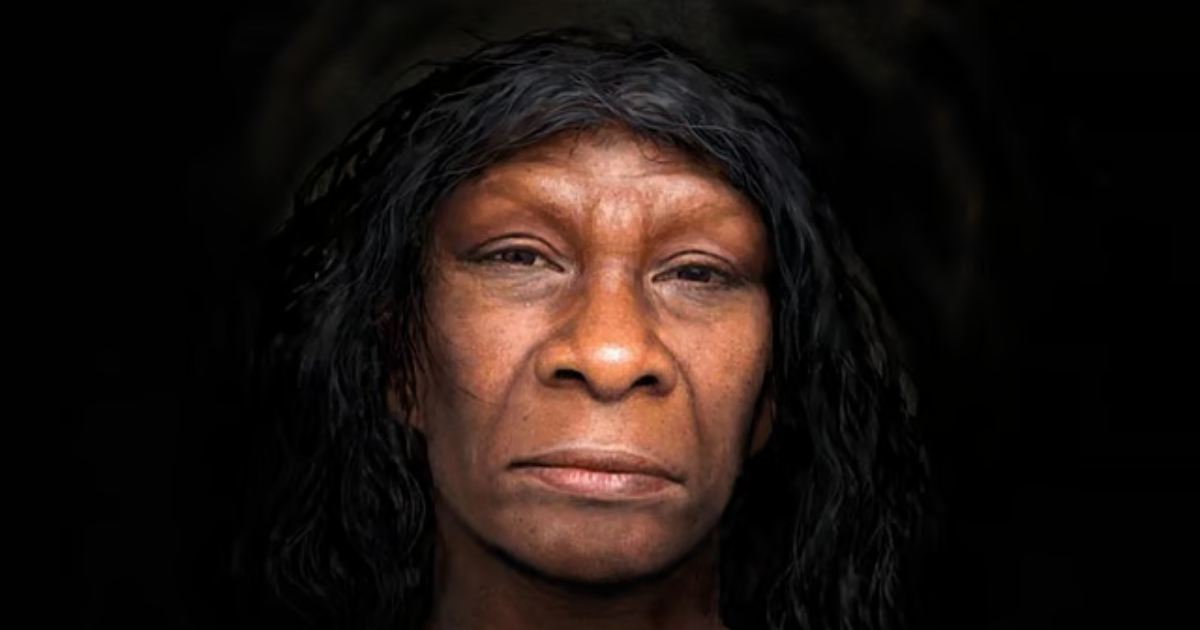
A recent study based on a molar discovered in Chagyrskaya Cave, Russia, suggests that Neanderthals may have carried out a dental procedure nearly 59,000 years ago. The finding provides new evidence of the advanced survival skills, medical understanding, and cognitive abilities of Neanderthals, challenging earlier assumptions about prehistoric human species.
Neanderthals (Homo neanderthalensis)
A recent study based on a molar discovered in the Chagyrskaya Cave suggests that Neanderthals may have performed a dental procedure nearly 59,000 years ago, indicating advanced survival skills and medical understanding.
About Neanderthals
Scientific Name
Homo neanderthalensis
Time Period
Neanderthals lived approximately:
From 400,000 years ago to 40,000 years ago
Geographical Distribution
Neanderthals evolved mainly in:
Europe
Southwest Asia
Central Asia
During the same period:
Homo sapiens evolved in Africa.
Physical Features of Neanderthals
Skull Structure
Long and low skull
Large cranial capacity
Facial Features
Large nose
Strong double-arched brow ridge
Receding chin
Body Structure
Short and stocky bodies
Strong muscles adapted for cold climates
“Neanderthals were physically adapted to survive harsh Ice Age environments.”
Brain and Intelligence
Neanderthals possessed:
Large brains comparable to or even larger than modern humans
They demonstrated:
Problem-solving abilities
Social cooperation
Tool-making skills
Lifestyle and Diet
Diet
Primarily:
Carnivorous
but also consumed:
Plants
Fruits
Nuts
Hunting Skills
They were:
Skilled hunters
Capable of coordinated hunting of large animals
Use of Fire
Neanderthals:
Controlled and used fire
for:
Cooking
Warmth
Protection
Tool-Making Abilities
Neanderthals were highly skilled tool makers.
Characteristics
Stone tools
Bone tools
Specialized hunting equipment
Mousterian Tool Culture
Associated with:
Advanced flake-based stone tool technology
Communication and Social Life
Evidence suggests Neanderthals:
Communicated through spoken language or proto-language
Lived in social groups
Cared for injured individuals
Medical Knowledge
The recent dental study suggests:
Primitive medical intervention
Knowledge of pain relief or dental care
This indicates:
Awareness of health and healing practices
“The survival of injured individuals reflects social care and cooperation among Neanderthals.”
Cultural Features
Jewellery and Ornamentation
Evidence shows use of:
Shells
Pigments
Decorative objects
Burial Practices
Some archaeological sites suggest:
Intentional burial of the dead
indicating:
Emotional or symbolic behaviour
Art and Creativity
Unlike modern humans:
No clear evidence exists of representational art depicting animals or real-world scenes.
However:
Symbolic behaviour may have existed in limited forms.
Extinction of Neanderthals
Neanderthals disappeared around:
40,000 years ago
Possible Reasons
1. Climate Change
Harsh environmental shifts
2. Competition with Homo sapiens
Competition for food and resources
3. Disease Transmission
Exposure to new diseases
4. Interbreeding
Genetic mixing with modern humans
Neanderthal and Modern Humans
Scientific studies show:
Modern non-African humans carry small percentages of Neanderthal DNA.
Significance
Indicates:
Interbreeding between Neanderthals and Homo sapiens
Importance of Neanderthal Studies
1. Understanding Human Evolution
Reveals evolutionary relationship with modern humans
2. Insights into Prehistoric Life
Social behaviour
Adaptation
Technology
3. Development of Cognitive Abilities
Helps study origins of language and intelligence
4. Medical and Genetic Research
Neanderthal genes influence immunity and health traits in humans
“Neanderthals were not primitive brutes, but intelligent human relatives with complex social lives.”
Important Archaeological Sites Related to Neanderthals
SiteLocationImportanceChagyrskaya CaveRussiaDental procedure evidenceNeander ValleyGermanyDiscovery site of Neanderthal fossilsShanidar CaveIraqEvidence of care and burialLa Chapelle-aux-SaintsFranceWell-preserved skeleton
Comparison: Neanderthals vs Homo sapiens
FeatureNeanderthalsHomo sapiensOriginEurope & AsiaAfricaBody TypeShort, stockyTaller, leanerChinWeak/absentProminentArtLimited symbolic evidenceAdvanced representational artToolsAdvanced stone toolsMore diverse technology
Conclusion
Neanderthals were an intelligent and adaptable human species that survived for hundreds of thousands of years across Europe and Asia. Their ability to hunt, make tools, communicate, use fire, and possibly perform medical procedures reflects significant cognitive and social development. Ongoing discoveries continue to reshape our understanding of Neanderthals, highlighting their close relationship with modern humans and their important place in human evolutionary history.