
Thucydides Trap
The “Thucydides Trap” is a geopolitical concept used to describe the dangerous tensions that arise when a rising power challenges an existing dominant power.
Thucydides Trap
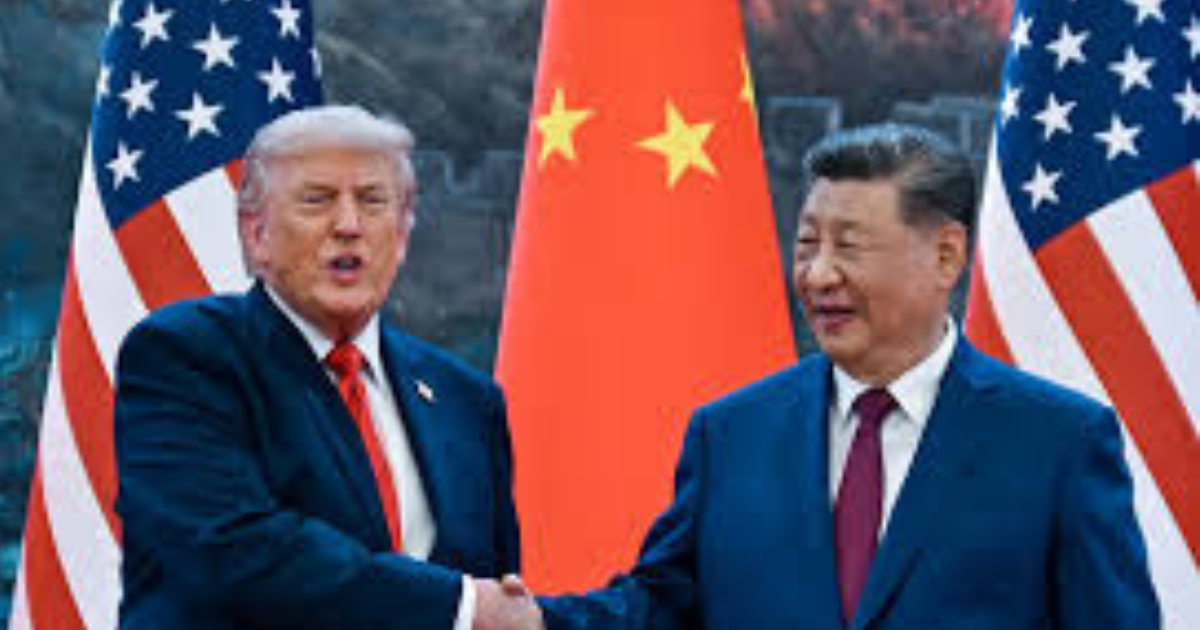
The term “Thucydides Trap” gained attention after the President of China referred to it during discussions with the President of the United States, highlighting concerns over strategic rivalry between rising and dominant powers.
About Thucydides Trap
Origin of the Term
The term was coined by:
Graham Allison
a Harvard political scientist.
Historical Inspiration
The concept is named after:
Thucydides
who chronicled the:
Peloponnesian War
Peloponnesian War
Period
Began in 431 BC
Fought between:
Athens
Sparta
Nature of Conflict
It was a prolonged and destructive war among major Greek city-states.
Thucydides’ Observation
Thucydides famously argued:
“It was the rise of Athens and the fear that this inspired in Sparta that made war inevitable.”
This idea later became the foundation of the “Thucydides Trap.”
Meaning of Thucydides Trap
It refers to a dangerous situation where:
A rising power challenges an existing dominant power
leading to:
Strategic rivalry
Mutual suspicion
Increased possibility of war
Core Logic
Rising Power
Gains economic, military, and political influence
Established Power
Feels threatened by loss of dominance
Result
Fear and mistrust increase tensions
Minor disputes may escalate into major conflict
“Power transition often creates instability in international relations.”
Modern Relevance
The concept is widely used to analyze relations between:
United States as the established global power
China as the rising global power
Areas of US-China Rivalry
1. Economic Competition
Trade wars
Technology dominance
Supply chain control
2. Military Rivalry
South China Sea tensions
Indo-Pacific strategic competition
3. Technological Competition
Artificial Intelligence
Semiconductors
Telecommunications
4. Geopolitical Influence
Competition for global leadership
Influence in developing countries
5. Ideological Differences
Democracy vs authoritarian governance models
Examples Often Linked to Thucydides Trap
Rising PowerDominant PowerOutcomeAthensSpartaPeloponnesian WarGermanyBritainWorld War I (often debated)ChinaUnited StatesOngoing strategic rivalry
Criticism of the Concept
1. War Is Not Inevitable
Critics argue:
Economic interdependence can prevent war.
2. Oversimplification
International relations are influenced by:
Diplomacy
Institutions
Trade
Nuclear deterrence
3. Historical Differences
Modern globalized world differs greatly from ancient Greece.
4. Role of International Institutions
Organizations like:
United Nations
can help reduce conflict risks.
“Strategic competition does not necessarily have to end in confrontation.”
Importance in International Relations
The idea of Thucydides Trap is significant because it helps explain:
Great power competition
Security dilemmas
Strategic mistrust
Global power transitions
Implications for the World
1. Global Economic Instability
Conflict between major powers can disrupt:
Trade
Investments
Supply chains
2. Arms Race
Increased military spending and strategic alliances.
3. Regional Tensions
Particularly in:
Indo-Pacific region
Taiwan Strait
South China Sea
4. Pressure on Smaller Nations
Countries may face pressure to align with competing powers.
India’s Perspective
India seeks:
Strategic autonomy
Balanced engagement with major powers
India engages with:
United States through Quad
China through BRICS and SCO
Preventing a Thucydides Trap
1. Diplomatic Engagement
Dialogue and confidence-building measures
2. Economic Cooperation
Trade interdependence reduces conflict incentives
3. Multilateralism
Strengthening global institutions
4. Crisis Management Mechanisms
Military communication channels
Conflict de-escalation systems
5. Mutual Respect for Core Interests
Avoiding aggressive escalation
“Responsible diplomacy is essential to prevent strategic rivalry from turning into conflict.”
Conclusion
The Thucydides Trap highlights the risks that arise when a rising power challenges an established one. Rooted in the historical experience of the Peloponnesian War, the concept is widely applied to contemporary US-China relations and broader global geopolitics. While it warns about the dangers of strategic rivalry, history also shows that diplomacy, cooperation, and strong international institutions can help avoid conflict and ensure peaceful power transitions.