
Chimeric Antigen Receptor T Cells (CAR-T Cell) Therapy
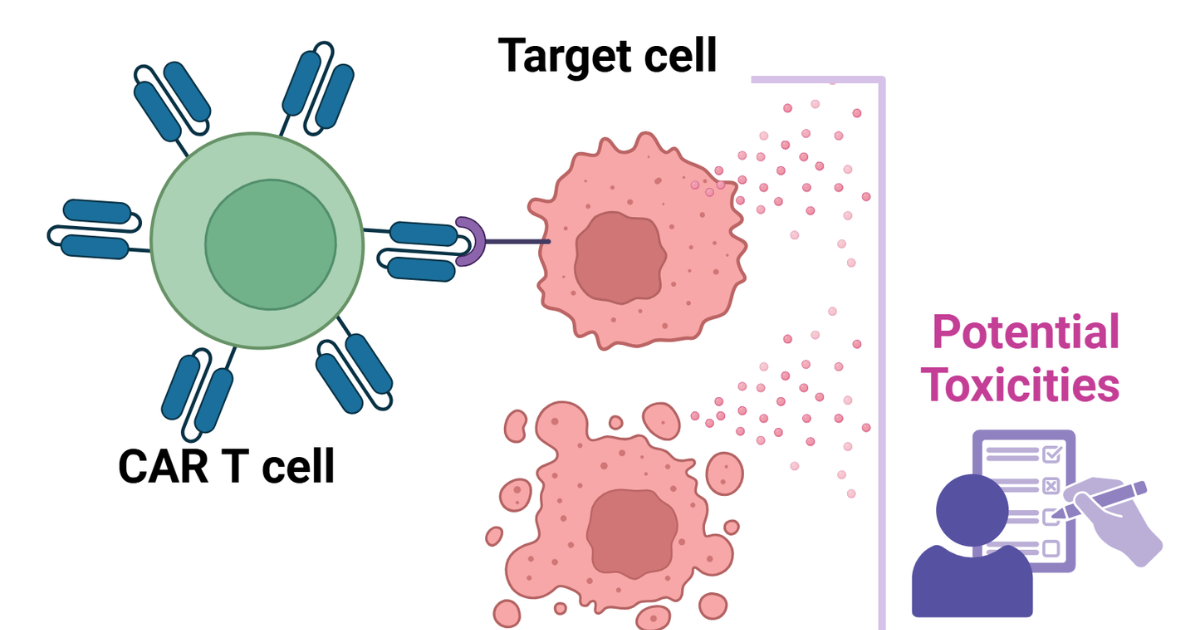
Chimeric Antigen Receptor T-cell (CAR-T) therapy is an advanced form of immunotherapy used to treat certain types of cancers, particularly blood cancers such as leukemia, lymphoma, and multiple myeloma.
Chimeric Antigen Receptor T-Cell (CAR-T Cell) Therapy
An Indo–Singapore collaboration under the Technology Development Board has been initiated to develop CAR-T cell therapy for treating Multiple Myeloma, an incurable blood cancer.
About CAR-T Cell Therapy
Definition
CAR-T cell therapy is a form of advanced immunotherapy that uses a patient’s own immune cells to fight cancer.
It is often called a:
“living drug”
because it involves living, modified cells that continue to act inside the body.
What are T-Cells?
T-cells are a type of white blood cell in the immune system.
Function
Identify abnormal cells
Kill infected or cancerous cells
Maintain immune defense
“T-cells are the body’s natural defence soldiers against disease.”
How CAR-T Cell Therapy Works
The process involves several steps:
1. Collection of T-Cells
T-cells are extracted from the patient’s blood.
2. Genetic Modification in Laboratory
A new gene is inserted into the T-cells
This gene codes for a special receptor called:
Chimeric Antigen Receptor (CAR)
3. Formation of CAR-T Cells
Modified T-cells become CAR-T cells
These are engineered to target cancer cells specifically
4. Reinfusion into Patient
CAR-T cells are infused back into the patient’s body
5. Cancer Cell Attack
CAR-T cells:
Identify cancer cells using CAR receptors
Bind to specific cancer antigens
Destroy malignant cells
What are CARs (Chimeric Antigen Receptors)?
CARs are:
Artificially engineered proteins
Designed to recognize specific proteins on cancer cells
Function
They act as:
“Targeting systems” for T-cells
allowing precise identification of cancer cells.
Target Disease: Multiple Myeloma
Multiple Myeloma is:
A type of blood cancer
Affects plasma cells in bone marrow
Nature
Chronic and currently incurable
Requires long-term management
Why CAR-T Therapy is Important
1. Personalized Treatment
Uses patient’s own cells
Reduces rejection risk
2. High Precision
Targets only cancer cells
Minimizes damage to healthy cells
3. Long-lasting Effect
Modified cells can remain active in the body
4. Breakthrough in Cancer Treatment
Represents shift from:
Conventional chemotherapy → targeted cellular therapy
Applications of CAR-T Therapy
Primarily used in:
Blood cancers
Leukemia
Lymphoma
Multiple myeloma
Advantages of CAR-T Cell Therapy
1. Targeted Action
Highly specific to cancer cells
2. Reduced Side Effects
Less damage to healthy tissues compared to chemotherapy
3. Advanced Immunotherapy
Enhances natural immune response
4. Potential for Cure in Some Cases
Especially in relapsed blood cancers
Challenges of CAR-T Therapy
1. High Cost
Extremely expensive treatment
2. Side Effects
Cytokine release syndrome (CRS)
Neurological complications
3. Complex Manufacturing
Requires advanced laboratory facilities
4. Limited Accessibility
Mostly available in developed healthcare systems
India’s Role and Collaboration
India is collaborating with Singapore under Indo–Singapore scientific cooperation framework to:
Develop indigenous CAR-T therapies
Reduce treatment cost
Improve cancer care access
Significance for India
1. Affordable Cancer Treatment
Local production can reduce costs significantly
2. Strengthening Biotech Ecosystem
Boosts cell and gene therapy research
3. Medical Innovation
Advances precision medicine capabilities
4. Healthcare Sovereignty
Reduces dependence on imported therapies
Future Potential
CAR-T therapy may expand into:
Solid tumors (currently challenging area)
Personalized cancer vaccines
Combined immunotherapy approaches
Conclusion
CAR-T cell therapy represents a major breakthrough in modern oncology by transforming a patient’s own immune system into a targeted cancer-fighting tool. The Indo–Singapore collaboration led by the Technology Development Board reflects a significant step toward affordable and advanced cancer treatment in India, particularly for complex diseases like Multiple Myeloma.