
India Enhances Dam Safety Framework Through Rehabilitation, Technological Upgrades, and Legal Reforms
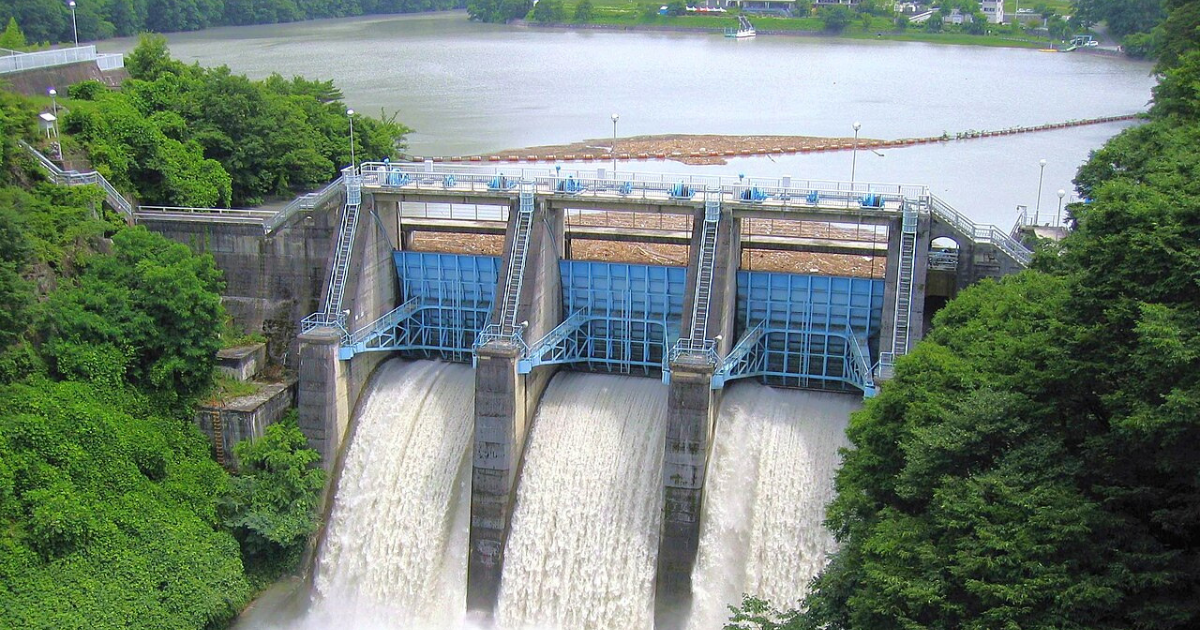
India is currently undertaking one of the world’s largest dam rehabilitation and safety modernization programmes aimed at strengthening ageing water infrastructure and ensuring long-term water security. Dams play a crucial role in irrigation, drinking water supply, hydroelectric power generation, flood control, and agricultural development.
Dam Safety and Rehabilitation in India
India is undertaking one of the world’s largest dam rehabilitation and modernization programmes aimed at strengthening ageing water infrastructure and improving dam safety amid rising climate and disaster risks.
Status of Dams in India
Global Position
India has:
The world’s third-largest dam network
After the United States and China
Number of Dams
6,628 specified dams
Ownership Pattern
Around 98.5% owned by State Governments
States with Highest Number of Dams
Maharashtra
Madhya Pradesh
Gujarat
“Dams are critical national assets for irrigation, drinking water, flood control and energy security.”
Importance of Dams in India
1. Irrigation Support
Backbone of agricultural productivity
2. Hydropower Generation
Renewable energy source
3. Drinking Water Supply
Supports urban and rural water needs
4. Flood Moderation
Controls seasonal flooding
5. Industrial and Urban Development
Supports economic growth and urbanization
Key Issues Related to Dam Safety
1. Ageing Infrastructure
Status
About 26% of dams (1,681 dams) are over 50 years old
Concerns
Structural weakness
Material deterioration
Increased maintenance burden
2. Sedimentation
Problem
Reservoirs have lost:
Around 19% of gross storage capacity
due to:
Silt accumulation
Impact
Reduced water storage
Lower hydropower efficiency
Reduced flood cushion
3. Seismic Vulnerability
Some dams are located in:
Earthquake-prone regions
Example
Bhuj Earthquake (2001)
caused:
Liquefaction in foundation of Chang Dam
4. Glacial Lake Outburst Floods (GLOFs)
Climate change has increased:
Risk of glacial lake bursts
Example
Chungthang Dam, Sikkim (2023)
was damaged during:
Flash floods caused by Glacial Lake Outburst Flood
5. Climate Change and Hydrological Variability
Changing rainfall patterns lead to:
Extreme floods
Erratic inflows
Operational uncertainty
6. Poor Maintenance and Monitoring
Challenges include:
Inadequate inspections
Limited technical manpower
Weak emergency preparedness
Dam Safety Initiatives in India
1. Dam Rehabilitation and Improvement Programme (DRIP)
Overview
A multi-phase programme launched in:
2012
with support from:
World Bank
Objectives
Structural rehabilitation
Safety inspections
Emergency Action Plans
Instrumentation and monitoring
Phases
DRIP Phase I
DRIP Phase II
DRIP Phase III
Significance
Enhances operational safety
Improves disaster preparedness
“DRIP represents a shift from reactive repairs to preventive dam safety management.”
2. Dam Safety Act, 2021
Objective
Provides legal framework for:
Surveillance
Inspection
Operation
Maintenance of specified dams
Institutional Structure under the Act
A. National Committee on Dam Safety (NCDS)
Policy and technical guidance
B. National Dam Safety Authority (NDSA)
Regulatory oversight body
C. State Committees on Dam Safety
State-level coordination
D. State Dam Safety Organisations (SDSOs)
Monitoring and inspections
3. DHARMA Platform
Full Form
Dam Health and Rehabilitation Monitoring Application
Purpose
Digital monitoring platform for dams
Functions
Real-time data management
Inspection tracking
Maintenance records
4. Mandatory Inspections
Pre-monsoon and post-monsoon inspections are compulsory for:
All specified dams
Challenges in Dam Safety Governance
1. Financial Constraints
High rehabilitation costs
2. Interstate Coordination Issues
Shared river basin disputes
3. Technological Gaps
Need for advanced sensors and AI monitoring
4. Climate Risks
Existing dam designs may not suit extreme weather events
5. Emergency Response Preparedness
Limited downstream evacuation planning
Importance of Modernising Dams
1. Water Security
Ensures sustainable storage capacity
2. Disaster Risk Reduction
Prevents catastrophic dam failures
3. Energy Stability
Supports hydropower reliability
4. Climate Adaptation
Builds resilience against extreme events
Way Forward
1. Adoption of Advanced Monitoring Systems
Remote sensing
IoT sensors
AI-based predictive systems
2. Sediment Management
Desiltation strategies
Catchment treatment
3. Climate-Resilient Infrastructure
Redesigning spillways and safety standards
4. Strengthening Institutional Capacity
Training engineers and disaster managers
5. Community-Based Preparedness
Early warning systems
Public awareness programmes
“Dam safety is not merely an engineering issue but a critical component of human security and climate resilience.”
Conclusion
With one of the largest dam networks in the world, India faces significant challenges from ageing infrastructure, climate change, seismic risks and sedimentation. Through initiatives like DRIP, the Dam Safety Act, 2021 and digital monitoring systems such as DHARMA, India is moving toward a more scientific, resilient and preventive dam safety framework aimed at protecting lives, livelihoods and long-term water security.