
Indian Soft-shell Turtle
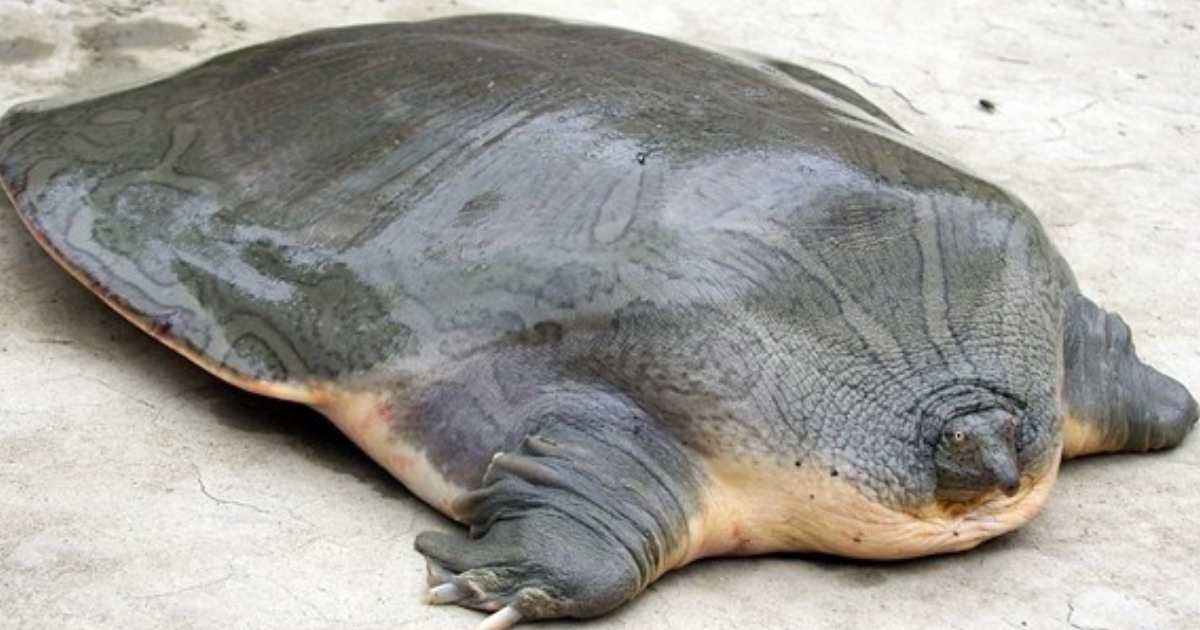
India recently achieved an important milestone in wildlife conservation with the release of the country’s first satellite-tagged Indian Softshell Turtle in Kaziranga National Park. The initiative aims to study the movement, habitat use, and conservation needs of this endangered freshwater turtle species through advanced tracking technology.
Indian Soft-shell Turtle
India’s first satellite-tagged Indian Soft-shell Turtle has been released in Kaziranga National Park, marking an important step in wildlife monitoring and freshwater biodiversity conservation.
About Indian Soft-shell Turtle
Other Name
Ganges Softshell Turtle
Scientific Classification
Freshwater softshell turtle species
Characteristics
1. Habitat
Found mainly in:
Freshwater rivers
Lakes
Wetlands
2. Physical Features
Tube-like Snout
Prominent elongated snout helps in breathing while submerged
Flattened Shell
Soft and leathery shell adapted for aquatic life
Distinctive Marking
Arrowhead-shaped marking on top of the head distinguishes it from other riverine turtles
“Softshell turtles are highly adapted for life in riverine ecosystems.”
Distribution and Range
The Indian Soft-shell Turtle is found across the northern plains of the Indian subcontinent.
Major River Basins
Indus Basin
Ganga Basin
Narmada Basin
Mahanadi Basin
Brahmaputra Basin
Countries of Distribution
India
Bangladesh
Nepal
Pakistan
Conservation Status
Wildlife Protection Act, 1972
Schedule I
Provides:
Highest level of legal protection in India
CITES
Appendix I
Meaning:
International commercial trade is prohibited except under exceptional circumstances
IUCN Red List

Endangered
Importance of Satellite Tagging
1. Tracking Movement
Helps understand migration and habitat use
2. Conservation Planning
Identifies critical habitats and threats
3. Scientific Research
Generates ecological and behavioural data
4. Monitoring Survival
Helps assess conservation effectiveness
“Satellite telemetry is transforming wildlife conservation through real-time ecological monitoring.”
Importance of Freshwater Turtles
1. Ecological Balance
Maintain aquatic ecosystem health
2. Scavenging Role
Help clean river systems by consuming dead organic matter
3. Biodiversity Indicators
Reflect health of freshwater ecosystems
Threats to Indian Soft-shell Turtle
1. Habitat Destruction
River pollution
Sand mining
Wetland degradation
2. Illegal Hunting and Trade
Meat consumption
Illegal wildlife trade
3. Fishing Activities
Accidental capture in fishing nets
4. River Modification
Dams and embankments affect breeding and nesting
5. Climate Change
Alters river flow and nesting conditions
Importance of Kaziranga National Park
Kaziranga National Park is:
A UNESCO World Heritage Site
Known for rich riverine biodiversity
Ecological Importance
Supports turtles, rhinos, elephants and aquatic ecosystems
Conservation Measures in India
1. Legal Protection
Wildlife Protection Act safeguards turtle species
2. Protected Areas
National parks and wetlands conservation
3. Scientific Monitoring
Satellite tagging and population studies
4. Community Participation
Awareness and anti-poaching efforts
5. River Ecosystem Conservation
Focus on freshwater habitat restoration
Significance for India
Biodiversity Conservation
Protects endangered aquatic fauna
River Health Monitoring
Healthy turtle populations indicate healthy rivers
Strengthening Wildlife Research
Encourages technology-driven conservation
Way Forward
1. Protect River Habitats
Reduce pollution and destructive activities
2. Strengthen Anti-Trafficking Measures
Improve wildlife crime monitoring
3. Expand Scientific Tracking
Use telemetry for other endangered aquatic species
4. Promote Integrated River Conservation
Ecosystem-based management approach
5. Community Awareness
Encourage local participation in turtle conservation
“Conserving freshwater species is essential for sustaining river ecosystems and ecological security.”
Conclusion
The satellite tagging and release of the Indian Soft-shell Turtle in Kaziranga National Park marks a significant advancement in freshwater wildlife conservation in India. As an endangered species facing threats from habitat degradation, illegal trade and climate change, scientific monitoring and stronger ecosystem protection measures are essential for ensuring the long-term survival of this important riverine species.