
Bhojshala
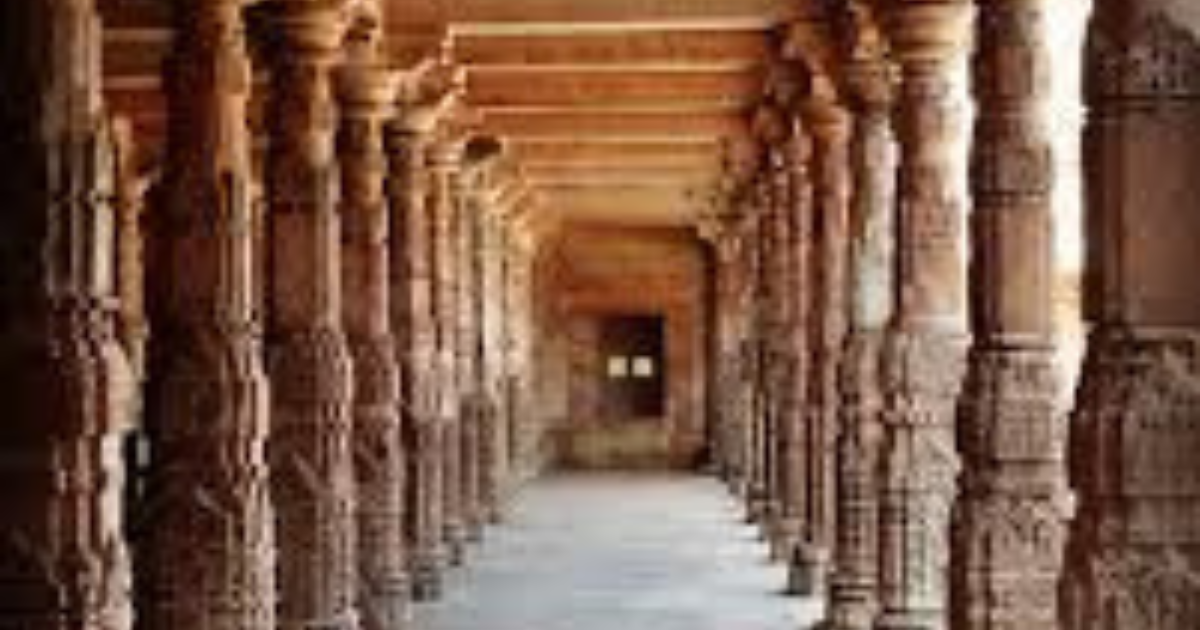
The Bhojshala recently came into focus after the Madhya Pradesh High Court declared the disputed Bhojshala complex a Hindu temple and quashed a 2003 order issued by the Archaeological Survey of India (ASI). The site has long been a subject of historical, religious, and legal debate due to its layered cultural and architectural history.
Bhojshala
The Bhojshala complex recently came into focus after the Madhya Pradesh High Court declared it a Hindu temple, setting aside a 2003 order of the Archaeological Survey of India.
About Bhojshala
Location
Situated in Dhar district of Madhya Pradesh
Historical Origins
Founded by Raja Bhoja
Established during the 11th century by Parmara ruler Raja Bhoja
Centre of Knowledge
Functioned as:
A renowned centre of Sanskrit learning
A major educational institution
“Raja Bhoja is remembered as a scholar-king and patron of education, literature and architecture.”
Association with Goddess Saraswati
Temple of Vagdevi Saraswati
Bhojshala was dedicated to:
Goddess Vagdevi Saraswati, deity of knowledge and learning
Idol of Saraswati
Original idol is currently housed in the:
British Museum
Transformation During Medieval Period
Following political changes:
The structure was converted into the Kamal Maula Mosque by later Muslim rulers of Dhara.
This historical transformation lies at the core of the long-standing dispute regarding the site’s religious identity.
Architectural and Cultural Features
1. Sanskrit Learning Centre
Known as a prestigious institution for:
Sanskrit studies
Classical scholarship
2. Kurmavatara Inscriptions
Engraved slabs contain:
Odes dedicated to Kurmavatara (tortoise incarnation of Vishnu)
Written in:
Prakrit language
Classical poetic style
3. Sarpabandha Pillar Inscriptions
Special inscriptions detailing:
Sanskrit grammar
Linguistic traditions
These inscriptions are considered important sources for:
Ancient Indian literature
Educational history
Significance of Bhojshala
1. Cultural Heritage
Reflects India’s medieval educational and religious traditions
2. Architectural Importance
Combines temple and later Islamic architectural influences
3. Historical Value
Represents the intellectual contributions of the Parmara dynasty
4. Symbol of Knowledge Tradition
Associated with:
Sanskrit scholarship
Classical learning systems
“Bhojshala symbolizes the rich civilizational heritage of learning and knowledge in medieval India.”
Raja Bhoja and the Parmara Dynasty
About Raja Bhoja
Raja Bhoja was:
One of the most celebrated rulers of medieval India
Contributions
Patron of Education
Established centres of learning
Literary Contributions
Encouraged Sanskrit literature and philosophy
Architectural Development
Built temples, lakes and educational institutions
Legal and Archaeological Dimensions
1. Archaeological Importance
Protected monument under the supervision of:
Archaeological Survey of India
2. Religious Dispute
Claims by Hindu and Muslim communities over usage rights
3. Court Intervention
Legal proceedings focused on:
Historical evidence
Archaeological records
Religious practices
Broader Issues Associated
1. Heritage Conservation
Need to preserve historically layered monuments
2. Balancing Faith and Law
Managing religious sensitivities through constitutional mechanisms
3. Archaeological Interpretation
Importance of evidence-based historical study
Importance for Indian Heritage
Historical Continuity
Reflects multiple phases of Indian history
Educational Legacy
Highlights ancient traditions of learning
Cultural Syncretism
Demonstrates coexistence of diverse architectural and religious influences
Way Forward
1. Scientific Conservation
Preserve inscriptions and structural heritage
2. Peaceful Resolution
Ensure harmony and lawful management
3. Promote Historical Research
Encourage scholarly study of medieval India
4. Heritage Awareness
Increase public understanding of cultural monuments
“Historical monuments must be preserved as shared civilizational assets.”
Conclusion
Bhojshala is an important historical and cultural site associated with Raja Bhoja and India’s medieval traditions of learning. Its inscriptions, architectural features and association with Goddess Saraswati make it a significant symbol of intellectual and cultural heritage. The recent legal developments have once again highlighted the importance of balancing heritage conservation, historical evidence and social harmony in managing culturally sensitive monuments.