
National Compliance Reduction and Deregulation Initiative
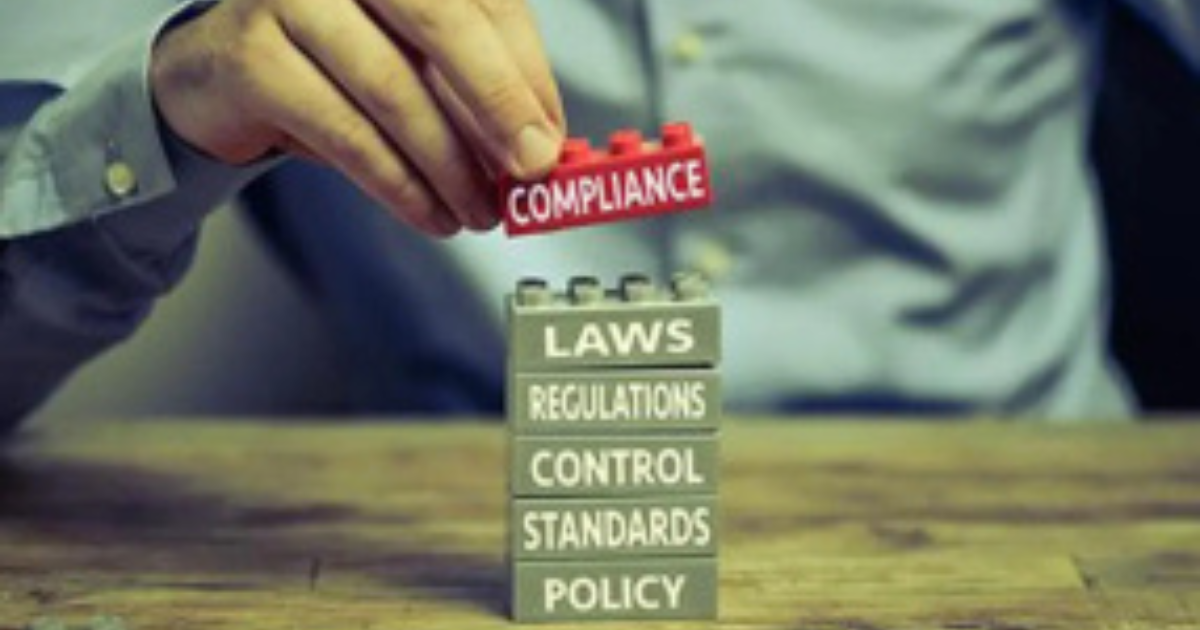
Tripura recently became the first Indian state to complete all priority areas under Phase-II of the National Compliance Reduction and Deregulation Initiative, marking a significant milestone in India’s ongoing governance reforms aimed at improving ease of doing business and reducing administrative burden.
National Compliance Reduction and Deregulation Initiative
Tripura has become the first state to complete all priority areas under Phase-II of the National Compliance Reduction and Deregulation Initiative, marking a significant step in regulatory reform and ease of doing business.
About the Initiative
Genesis
The initiative originates from a:
Task Force on Compliance Reduction and Deregulation
Constituted in 2025
Chaired by the Cabinet Secretary of India
Objective
The core aim is to:
Identify redundant or outdated compliances
Reduce regulatory burden on citizens and businesses
Simplify administrative procedures
Promote ease of governance
“Deregulation aims to shift governance from control-based regulation to trust-based facilitation.”
What is Deregulation?
Deregulation refers to:
Reduction or removal of government control over industries
Simplification of rules, permissions, and compliance requirements
Encouraging private sector participation
Key Features of the Initiative
1. Compliance Reduction
Eliminates unnecessary approvals and licenses
Reduces procedural delays
2. Regulatory Simplification
Streamlining of laws and administrative processes
Digitisation of approvals
3. State-Level Implementation
States are encouraged to reform laws and procedures
Focus on governance efficiency
Priority Areas Identified
The Task Force identified:
23 Priority Areas
Across 5 major sectors
Phase-II Coverage (Launched January 2026)
Focus sectors include:
Economic and Administrative Areas
Land administration
Building and construction approvals
Utilities and permissions
Social and Regulatory Sectors
Environment
Education
Health
Labour
Governance Reforms
Overarching administrative simplification
Process standardisation
Significance of the Initiative
1. Ease of Doing Business
Reduces regulatory friction for industries
2. Investment Promotion
Attracts domestic and foreign investment
3. Governance Efficiency
Faster decision-making and approvals
4. Cost Reduction
Lowers compliance costs for businesses
5. Citizen-Centric Governance
Simplifies access to public services
Importance of Tripura’s Achievement
The achievement of Tripura demonstrates:
Effective implementation capacity at state level
Commitment to administrative reform
Model for other states to follow
Challenges in Deregulation
1. Resistance to Change
Institutional inertia within bureaucracy
2. Balancing Regulation and Safety
Need to ensure environmental and labour safeguards
3. Capacity Constraints
Uneven administrative capabilities across states
4. Digital Infrastructure Gaps
Need for robust e-governance systems
Way Forward
1. Wider State Adoption
Encourage all states to implement reforms
2. Digital Governance Expansion
End-to-end online compliance systems
3. Regulatory Impact Assessment
Evaluate effectiveness of reforms
4. Stakeholder Engagement
Involve industry and civil society feedback
5. Continuous Simplification
Regular review of outdated laws
Conclusion
The completion of Phase-II reforms by Tripura under the National Compliance Reduction and Deregulation Initiative reflects a shift towards simplified, efficient, and citizen-friendly governance. By reducing unnecessary regulatory burdens, the initiative strengthens ease of doing business, promotes investment, and supports India’s broader goal of administrative modernization and economic growth.