
India rejects Permanent Court of Arbitration (CoA) ruling on Indus Waters Treaty (IWT)
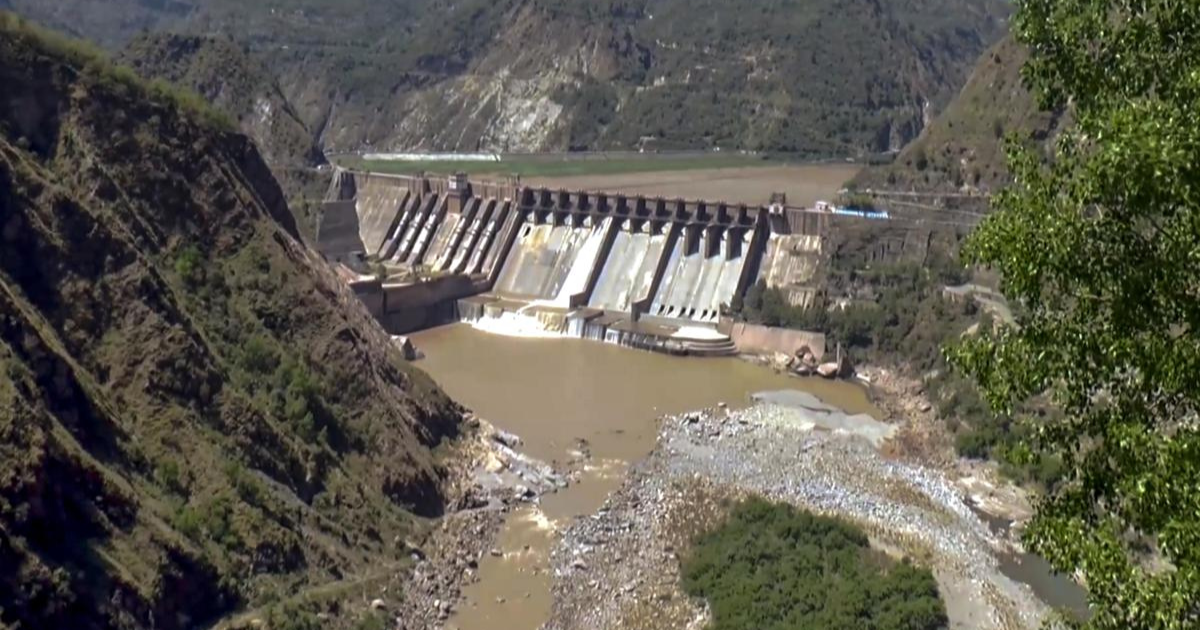
India has reiterated that it does not recognize the authority of the Court of Arbitration (CoA) constituted under the Indus Waters Treaty and has also kept the treaty in abeyance amid continuing disputes with Pakistan over hydroelectric projects on western rivers.
Indus Water Treaty (IWT)
Indus Water Treaty has recently come into focus after India refused to recognize the Court of Arbitration (CoA) constituted regarding disputes over the Kishenganga and Ratle hydroelectric projects.
India has also kept the treaty in abeyance amid continuing tensions with Pakistan.
Background of the Dispute
Court of Arbitration (CoA)
The Court of Arbitration:
Is a five-member arbitral panel
Constituted in 2023 at Pakistan’s request
Pakistan challenged:
Design features of Kishenganga Hydroelectric Project
Ratle Hydroelectric Project
India’s Position
India refused participation because:
The dispute, according to India, falls within the jurisdiction of a Neutral Expert
Not under a Court of Arbitration
India argues:
Parallel proceedings violate treaty provisions
“Water cooperation is often the first casualty during geopolitical tensions.”
About Indus Water Treaty (1960)
Origin
Signed in:
1960
Between:
India
Pakistan
Facilitated by:
World Bank
Objective of the Treaty
To determine:
Distribution and usage of waters of the Indus river system
Rivers Covered Under IWT
The treaty covers:
Six rivers of the Indus Basin
Eastern Rivers
Allocated to India for unrestricted use:
Ravi
Beas
Sutlej
Western Rivers
Primarily allocated to Pakistan:
Indus
Jhelum
Chenab
India’s Rights Over Western Rivers
India can use western rivers for:
Domestic purposes
Non-consumptive uses
Agriculture within limits
Run-of-the-river hydroelectric projects
as permitted under treaty provisions.
Key Features of the Treaty
1. Clear Water Sharing Mechanism
Permanent allocation of rivers between both countries
2. Technical Cooperation
Exchange of hydrological data
Regular inspections
3. Institutional Framework
Permanent dispute resolution mechanism
4. Survived Multiple Wars
The treaty continued despite:
1965 war
1971 war
Kargil conflict
Often cited as:
One of the world’s most durable water-sharing agreements
“The Indus Treaty is an example of diplomacy sustaining cooperation even during conflict.”
Dispute Resolution Mechanism Under IWT
Step 1: Permanent Indus Commission (PIC)
Composition
One commissioner from each country
Functions
Exchange information
Resolve routine issues
Conduct inspections
Meetings
Held annually
Alternately in India and Pakistan
Step 2: Neutral Expert
If technical differences persist:
Matter referred to Neutral Expert
Appointment
Facilitated through World Bank
Nature
Technical adjudication
Decision is binding
Step 3: Court of Arbitration (CoA)
Used when:
Legal interpretation disputes arise
Composition
Multi-member arbitral tribunal
Initiation
Can be established:
By mutual agreement
ORAt request of either party
Kishenganga Hydroelectric Project
Location
On Kishenganga River
Tributary of Jhelum
in Jammu and Kashmir
Concern Raised by Pakistan
Diversion of river waters
Design issues
Ratle Hydroelectric Project
Location
Chenab River
Jammu and Kashmir
Pakistan’s Objections
Related to:
Spillway design
Reservoir operations
Importance of IWT
1. Regional Stability
Prevents water conflicts
2. Water Security
Supports:
Agriculture
Drinking water
Hydropower
3. Confidence Building
Maintains communication channels between India and Pakistan
4. International Example
Frequently cited as successful transboundary water cooperation model
Challenges Facing IWT
1. Geopolitical Tensions
Political hostility affects cooperation.
2. Climate Change
Changing river flows due to:
Glacial melting
Erratic rainfall
3. Increasing Water Demand
Growing population and agriculture pressures.
4. Technological and Infrastructure Disputes
Frequent disagreements over:
Hydropower projects
Engineering designs
India’s Concerns
India argues:
Treaty provisions are outdated
Pakistan frequently obstructs legitimate hydropower projects
India also seeks:
Better utilization of western river waters permitted under treaty
Pakistan’s Concerns
Pakistan fears:
Upstream projects may affect water flow
Agricultural dependence could be impacted
Role of the World Bank
The World Bank:
Facilitated original treaty
Assists in dispute resolution appointments
Does not impose political decisions
Strategic Importance of Indus Basin
The Indus system supports:
Agriculture
Energy production
Livelihoods of millions
making it one of South Asia’s most critical river systems.
Conclusion
The Indus Water Treaty remains a landmark example of international river-water cooperation despite decades of geopolitical rivalry between India and Pakistan. However, evolving strategic tensions, climate pressures, and disagreements over hydropower projects such as Kishenganga and Ratle have increasingly tested the treaty’s institutional mechanisms and long-term sustainability.