
Ebola
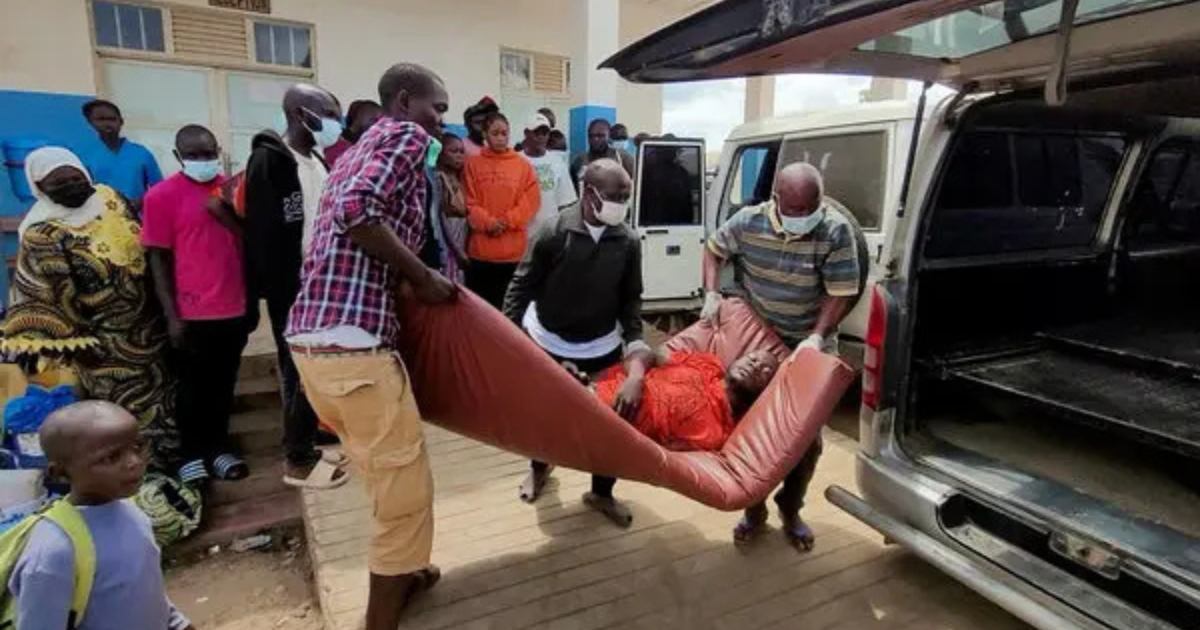
Ebola Virus Disease (EVD) is a rare but highly severe infectious disease caused by the Ebola virus. Recently, the World Health Organization (WHO) declared Ebola outbreaks in Democratic Republic of the Congo and Uganda as a Public Health Emergency of International Concern (PHEIC), highlighting the serious global health risk posed by the disease.
Ebola Virus Disease (EVD)
Ebola Virus Disease is a rare but highly severe infectious disease that affects humans and non-human primates.
Recently, the World Health Organization declared Ebola outbreaks in Democratic Republic of the Congo and Uganda as a Public Health Emergency of International Concern (PHEIC).
About Ebola Virus
Definition
Ebola Virus Disease (EVD):
Is a viral hemorrhagic fever
Causes severe illness and high mortality in humans
Discovery
First identified in 1976
Near the Ebola River in present-day Democratic Republic of the Congo
Hence the name:
Ebola virus
Nature of Disease
Ebola is:
Highly infectious
Often fatal if untreated
Case fatality rates in past outbreaks:
Approximately 25% to 90%
depending on:
Virus strain
Healthcare access
Speed of response
Causative Agent
Caused by:
Ebola virus
Belongs to:
Filoviridae family
Zoonotic Disease
Meaning
A zoonotic disease:
Spreads from animals to humans
Natural Reservoir
Fruit bats are considered:
The most likely natural hosts
Animals Involved in Transmission
Fruit bats
Porcupines
Chimpanzees
Gorillas
Monkeys
Forest antelopes
“Ebola demonstrates how animal-human interactions can trigger global health emergencies.”
Modes of Transmission
Animal to Human Transmission
Occurs through:
Contact with infected wild animals
Blood or body fluids of infected animals
Human to Human Transmission
Spreads through direct contact with:
Blood
Saliva
Sweat
Vomit
Urine
Breast milk
Semen
Other bodily fluids
of infected persons.
Indirect Transmission
Can also spread through:
Contaminated needles
Medical equipment
Infected surfaces
Ebola Does NOT Spread Through
Air like influenza
Casual contact
Mosquito bites
Symptoms of Ebola
Early Symptoms
Fever
Severe headache
Muscle pain
Weakness
Sore throat
Advanced Symptoms
Vomiting
Diarrhea
Skin rash
Internal bleeding
External bleeding
Severe Complications
Organ failure
Shock
Multi-organ dysfunction
Incubation Period
Usually:
2 to 21 days
An infected person:
Cannot spread disease until symptoms appear
Diagnosis
Methods include:
PCR tests
Blood testing
Antigen detection
Treatment
There is:
No universally approved cure
But supportive care greatly improves survival.
Supportive Treatment Includes
Rehydration
Oxygen support
Maintaining blood pressure
Treating secondary infections
Vaccines
Vaccines have been developed against some Ebola strains.
Example:
rVSV-ZEBOV vaccine
used especially during outbreaks.
Prevention Measures
1. Isolation of Patients
Prevents human-to-human spread
2. Protective Equipment
Healthcare workers use:
PPE kits
Gloves
Face shields
3. Safe Burial Practices
Traditional burial practices may increase transmission risk.
4. Surveillance and Contact Tracing
Monitoring exposed individuals helps:
Break transmission chains
5. Public Awareness
Community education is critical during outbreaks.
Public Health Emergency of International Concern (PHEIC)
Meaning
A PHEIC is:
Highest level of global health alert under International Health Regulations (IHR)
Declared by:
World Health Organization
Why Ebola is Dangerous
1. High Fatality Rate
Can cause:
Large-scale deaths
2. Weak Healthcare Systems
Outbreaks often occur in:
Fragile healthcare regions
3. Rapid Spread Through Contact
Close caregiving increases:
Infection risk
4. Economic and Social Disruption
Outbreaks affect:
Trade
Tourism
Education
Livelihoods
Major Ebola Outbreaks
West Africa Outbreak (2014–16)
Affected:
Guinea
Liberia
Sierra Leone
Largest Ebola outbreak in history.
Recent Concern Areas
Uganda
Democratic Republic of the Congo
Global Significance
Ebola highlights:
Importance of disease surveillance
Need for strong healthcare systems
Global cooperation in public health
Role of WHO
World Health Organization supports:
Emergency response
Vaccine deployment
Technical assistance
International coordination
Conclusion
Ebola Virus Disease remains one of the world’s most dangerous infectious diseases due to its high fatality rate and outbreak potential. Strengthening surveillance, healthcare infrastructure, vaccination, and international cooperation is essential to prevent future global health emergencies.