
Self Help Groups (SHGs) and Women Empowerment
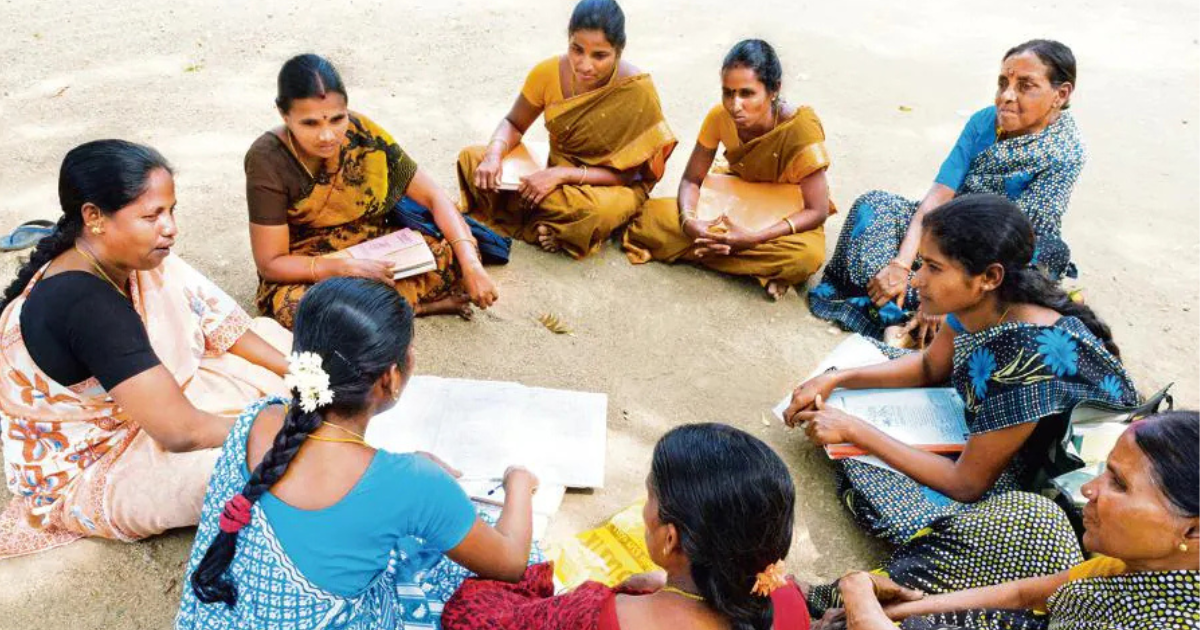
The SHE-MART initiative launched by the Ministry of Rural Development aims to strengthen women entrepreneurship and rural livelihoods by establishing community-owned retail outlets managed through federations of Self-Help Groups (SHGs).
SHE-MARTs and Role of SHGs in Women Empowerment
The Ministry of Rural Development has launched a nationwide roadmap for SHE-MARTs (Self Help Entrepreneur Marts) to strengthen women-led entrepreneurship and rural economic empowerment.
SHE-MART was announced in the Union Budget 2026–27.
About SHE-MART
Meaning
SHE-MART stands for:
Self Help Entrepreneur Mart
It aims to:
Create community-owned retail outlets
Operated through cluster-level federations of Self-Help Groups (SHGs)
Objective
The initiative seeks to:
Empower women entrepreneurs
Provide market access for SHG products
Promote rural livelihoods
Strengthen women-led enterprises
“When women organize collectively through SHGs, economic empowerment transforms into social transformation.”
What are Self-Help Groups (SHGs)?
Self-Help Groups are:
Small voluntary groups
Mostly consisting of rural women
Members:
Save regularly
Access small loans collectively
Support livelihood activities
Role of SHGs in Women Empowerment
1. Financial Inclusion
SHGs promote:
Savings habits
Institutional credit access
Insurance coverage
Digital banking
Example
Bank Sakhi Programme
Women SHG members are trained as:
Banking correspondents
helping rural populations access:
Banking and financial services
2. Entrepreneurship Development
SHGs support:
Skill training
Small enterprises
Market linkages
Collective production systems
Example
Mahila Arthik Vikas Mahamandal provides:
Entrepreneurship training
Economic support to women
3. Political Empowerment
Participation in SHGs improves:
Leadership abilities
Public participation
Decision-making power
Example
Self Employed Women's Association represents:
Women workers in the informal economy
and advocates for:
Labour rights
Social security
4. Poverty Alleviation and Rural Development
SHGs help:
Reduce dependence on moneylenders
Improve livelihood security
Promote inclusive growth
Example
Kudumbashree is a successful model of:
Women-led local governance
Poverty eradication
5. Social Reform
SHGs promote awareness against:
Child marriage
Dowry
Alcoholism
Gender discrimination
through:
Collective action and community participation
Importance of SHGs
1. Grassroots Economic Development
Creates:
Local employment
Rural enterprises
2. Women’s Agency
Enhances:
Confidence
Economic independence
3. Social Capital Formation
Builds:
Community solidarity
Mutual support systems
4. Inclusive Growth
Ensures participation of:
Marginalized rural women
Vulnerable communities
Government Initiatives for Women SHGs
1. DAY-NRLM
Deendayal Antyodaya Yojana – National Rural Livelihoods Mission is:
A centrally sponsored programme
Achievements
Mobilized over 10 crore women
Formed more than 90 lakh SHGs
2. Lakhpati Didi Initiative
Operates under:
DAY-NRLM
Objective:
Enable SHG women to earn at least ₹1 lakh annually
3. SHG-Bank Linkage Programme
Facilitates:
Credit access for SHGs through formal banking
4. SARAS Mela
Provides:
Marketing platform for SHG products
Challenges Faced by SHGs
1. Limited Market Access
Many SHGs struggle with:
Branding
Packaging
Digital marketing
2. Financial Constraints
Difficulty in:
Scaling enterprises
Accessing larger credit
3. Skill Gaps
Need for:
Modern business training
Financial literacy
4. Technology Barriers
Limited access to:
E-commerce
Digital infrastructure
Measures Needed
1. Stronger Market Linkages
Expand:
SHE-MART networks
E-commerce integration
2. Capacity Building
Provide:
Skill development
Financial management training
3. Digital Empowerment
Improve:
Digital literacy
Online payment systems
4. Better Access to Finance
Enhance:
Low-interest institutional credit
Startup support for women enterprises
Conclusion
Self-Help Groups have become powerful instruments of women empowerment in India by promoting financial inclusion, entrepreneurship, social awareness, and rural development. Initiatives like SHE-MART can further strengthen women-led economic ecosystems and accelerate inclusive grassroots growth.