
Gold Nano Particles
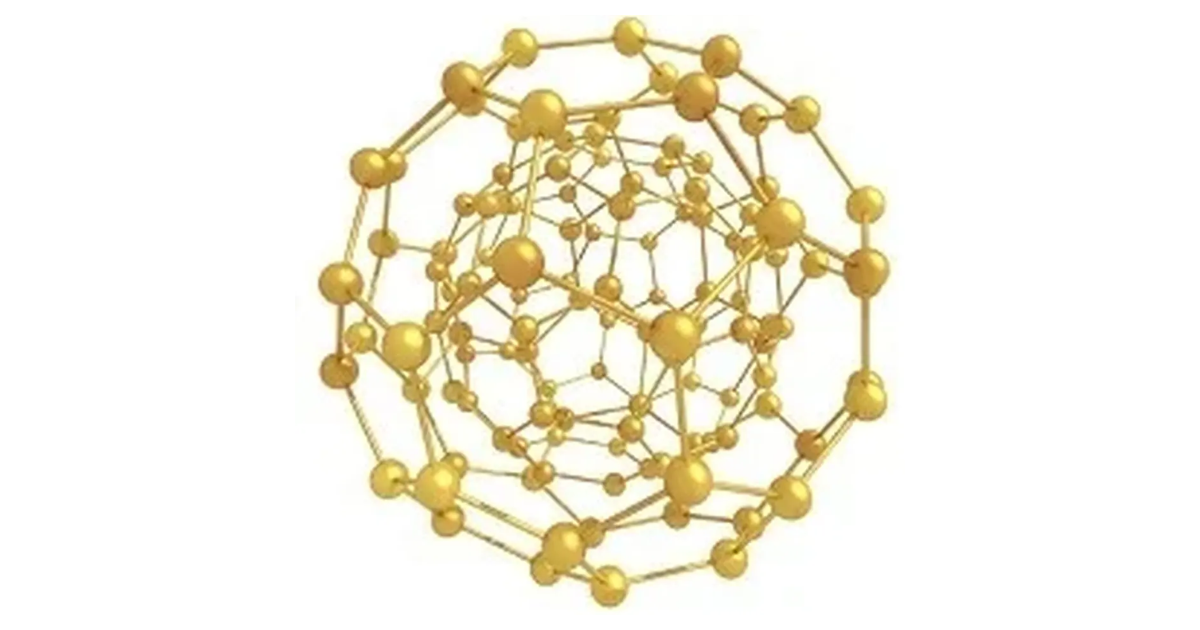
Gold Nanoparticles are extremely tiny particles of gold measured in nanometers (one nanometer equals one-billionth of a meter). Recently, scientists at the Institute of Nano Science and Technology (INST) developed a highly efficient ultrathin and flexible film embedded with nano-gold particles, highlighting the growing importance of nanotechnology in advanced materials and healthcare applications.
Gold Nano Particles
Scientists at the Institute of Nano Science and Technology have developed:
A highly efficient
Ultrathin
Flexible film
embedded with:
Gold nano particles
This development has potential applications in:
Healthcare
Sensors
Environmental monitoring
Nano-electronics
About Gold Nano Particles
Gold nano particles (Nano-gold) are:
Extremely tiny particles of gold
Their size is measured in:
Nanometers (1 nanometer = one-billionth of a meter)
Due to their nanoscale size, they show:
Unique optical
Chemical
Electrical properties
different from bulk gold.
Unique Properties of Gold Nano Particles
1. Color Variation
Unlike normal gold, nano-gold can appear:
Red
Orange
Purple
Blue
depending on:
Particle size
Shape
Distance between nanoparticles
This occurs because of:
Surface plasmon resonance
where electrons on the nanoparticle surface interact with light.
2. High Surface Area
Nano-sized particles have:
Very large surface area relative to volume
This improves:
Reactivity
Catalytic efficiency
Drug delivery capability
3. Biocompatibility
Gold nanoparticles are:
Generally non-toxic
Biocompatible
making them useful in:
Medical applications
Applications of Gold Nano Particles
1. Medicine and Diagnostics
Targeted Drug Delivery
Nano-gold can:
Deliver drugs directly to cancer cells
This reduces:
Damage to healthy tissues
Medical Imaging
Used in:
Imaging techniques
Cancer diagnostics
because they interact strongly with light.
Photo-Thermal Therapy
Gold nanoparticles absorb light and convert it into heat to:
Destroy cancer cells selectively
2. Environmental Applications
Used to:
Detect heavy metals
Identify pollutants in water and soil
Important for:
Environmental monitoring
Water quality testing
3. Sensors
Gold nanoparticles improve:
Sensitivity of biosensors
Applications include:
Disease detection
Chemical sensing
4. Nano-electronics
Used in:
Flexible electronic devices
Conductive films
Nano-circuits
because of excellent:
Electrical conductivity
Importance of Nano Technology
Nanotechnology involves:
Manipulating matter at atomic and molecular scales
Applications include:
Medicine
Electronics
Energy
Materials science
Significance of the INST Development
The ultrathin flexible nano-gold film may help in:
Wearable medical devices
Flexible electronics
High-performance sensors
Advanced healthcare technologies
It also strengthens:
India’s research capabilities in nanotechnology
Challenges Associated with Nano Particles
1. High Cost
Gold-based nanomaterials can be expensive.
2. Safety Concerns
Long-term environmental and biological impacts require further study.
3. Manufacturing Challenges
Large-scale production with precise control remains difficult.
Conclusion
Institute of Nano Science and Technology’s innovation in gold nano particle-based flexible films highlights the growing importance of Nanotechnology in healthcare, environmental protection, and advanced electronics. Gold nanoparticles offer remarkable possibilities due to their unique optical, chemical, and biomedical properties.